
10 Famous Shipwrecks and the Stories Behind Them

A shipwreck is a story that stops mid-sentence. One moment there’s a crew, a cargo and a destination; the next, the sea closes over all of it, sometimes for centuries, until a diver’s light or a sonar ping picks up the thread again.
This countdown of famous shipwrecks and their stories spans more than four centuries, from Henry VIII’s warship to a Great Lakes freighter, from a pirate’s treasure ship to an Antarctic legend found in astonishing condition in 2022. Behind every hull are real people, and many of these stories involve heavy loss of life, so we’ve tried to tell them with the respect they deserve. Here are ten wrecks whose stories keep resurfacing.
10The Whydah Gally
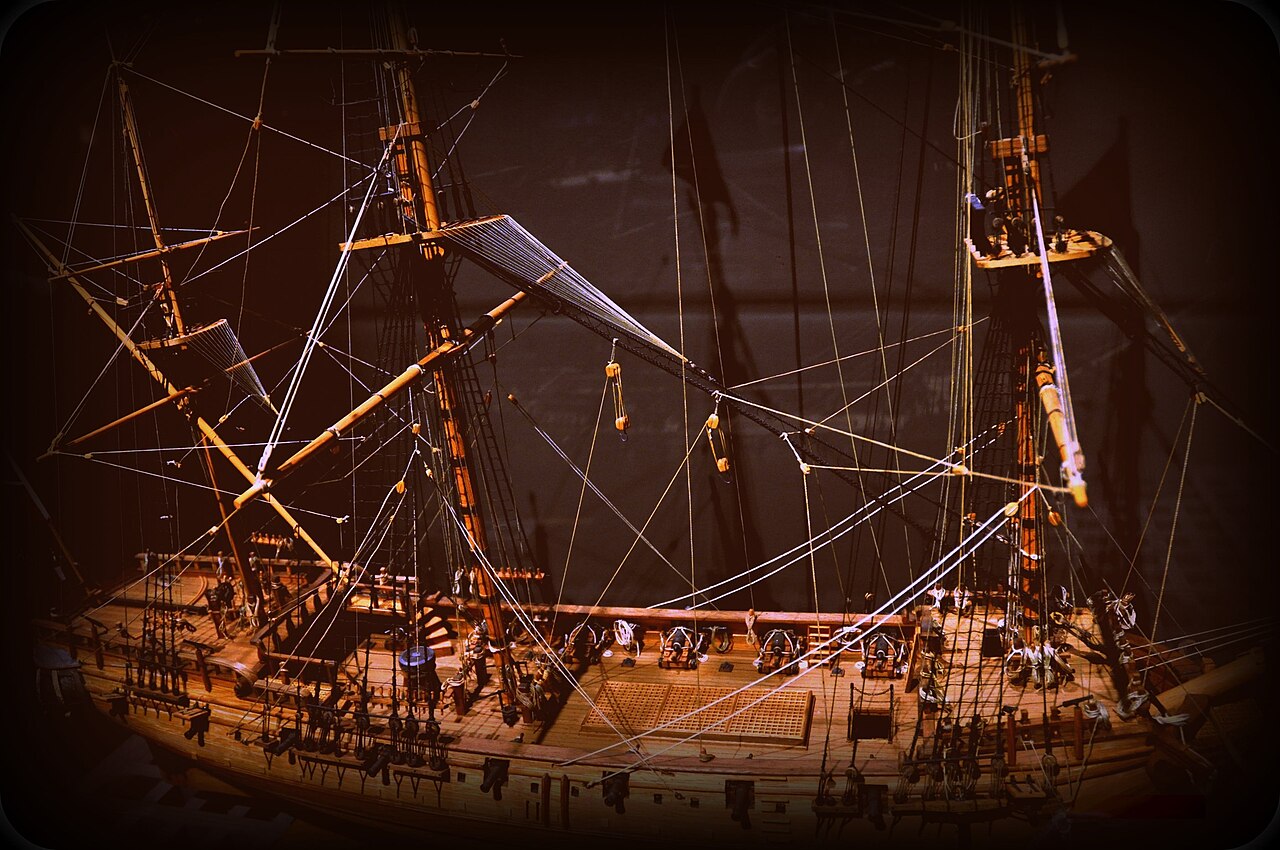
The Whydah Gally began life in London in 1716 as a slave ship, built for the brutal Atlantic triangle trade. In February 1717, after a three-day chase through the Windward Passage between Cuba and Hispaniola, it was captured by Samuel Bellamy, a young English pirate known as Black Sam, who made it his flagship. Its hold reportedly carried a fortune in plundered silver, gold and goods.
Bellamy’s run was short. On April 26, 1717, a violent nor’easter drove the Whydah onto a sandbar off what is now Wellfleet, on Cape Cod. The ship broke apart in the surf, and Bellamy and all but two of the roughly 146 people aboard died. The pirate captain was believed to be only in his late twenties.
For more than 250 years the wreck was a local legend. Then, in 1984, explorer Barry Clifford found it, and in 1985 divers raised a bell inscribed THE WHYDAH GALLY 1716, which is often described as the first pirate shipwreck ever authenticated. More than 200,000 individual artifacts have been recovered so far, and many are displayed at the Whydah Pirate Museum in West Yarmouth, Massachusetts.
9SS Central America, the Ship of Gold
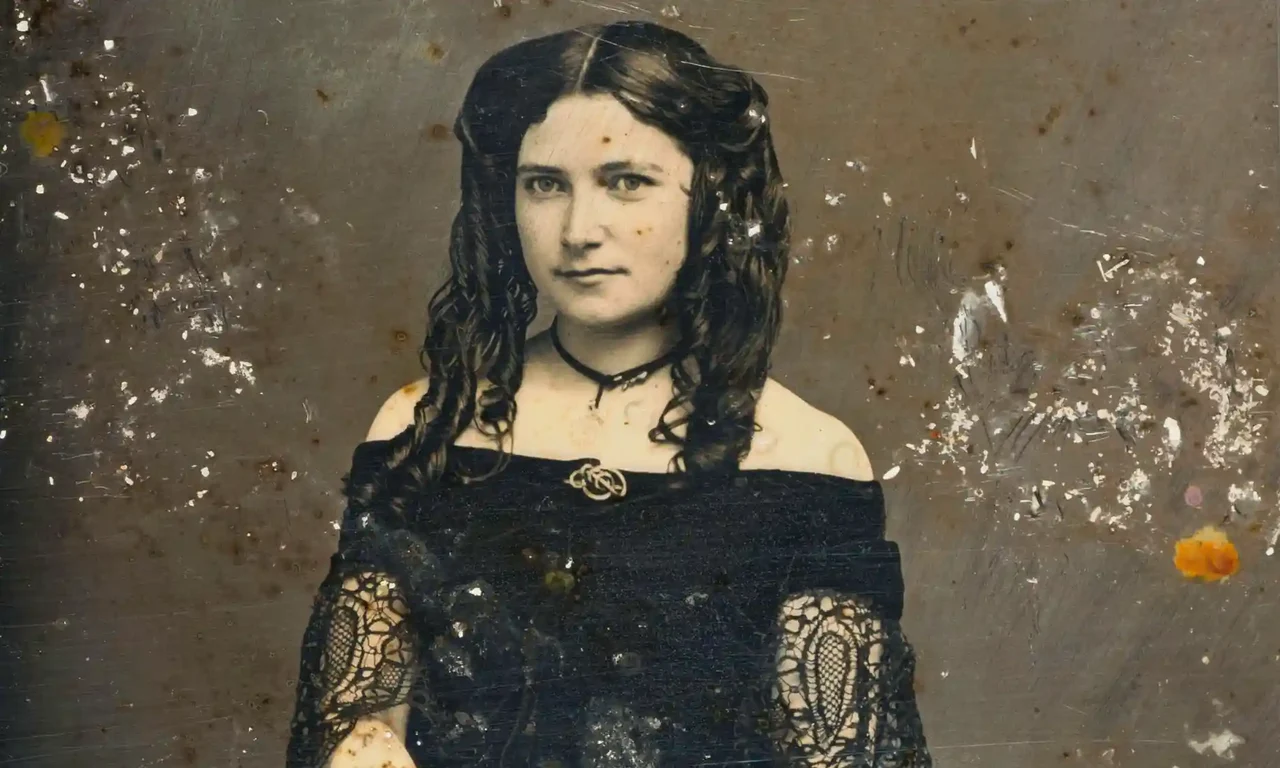
In September 1857, the side-wheel steamer SS Central America was carrying 578 passengers and crew from Panama toward New York, many of them returning from the California Gold Rush. Its cargo included tons of gold, the kind of shipment that kept Eastern banks liquid. On September 9, off the Carolinas, it sailed into a hurricane.
For three days, crew and passengers fought to save the ship, forming bailing lines as leaks put out the boiler fires. Captain William Lewis Herndon organized the evacuation of women and children to a passing brig, the Marine. On the evening of September 12, the Central America sank. About 425 people died, including Herndon, who stayed with his ship. The loss of so much gold rattled already nervous markets and contributed to the Panic of 1857.
The wreck lay more than a mile down until 1988, when a team led by engineer Tommy Thompson located it using a statistical method called Bayesian search theory. The recovered gold coins and bars were valued at an estimated $100 million to $150 million, and one 80-pound ingot sold for a record $8 million. The aftermath was messy: investors and crew sued, and Thompson spent roughly a decade jailed for contempt of court after refusing to reveal the whereabouts of about 500 missing gold coins.
8The Batavia
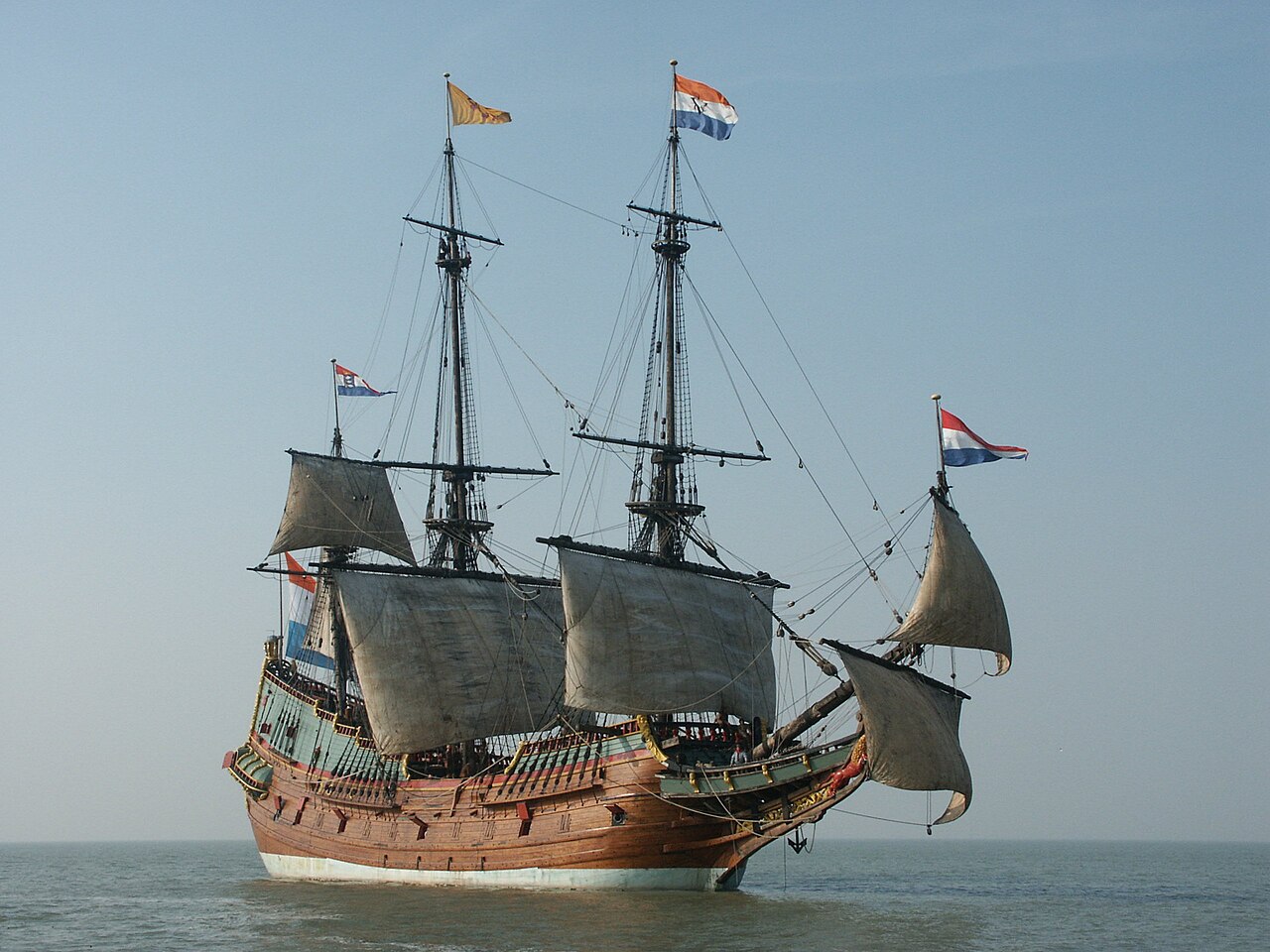
On June 4, 1629, the Batavia, a brand-new ship of the Dutch East India Company on its maiden voyage, struck a reef in the Houtman Abrolhos, a scatter of low islands off the coast of Western Australia. Most of the more than 300 people aboard made it to the barren islets. What happened next turned a shipwreck into one of the darkest episodes in maritime history.
The commander, Francisco Pelsaert, set off in an open longboat with the skipper and others on an extraordinary 33-day voyage of about 3,000 kilometers to the port of Batavia, today’s Jakarta, to fetch help. In his absence, the junior merchant Jeronimus Cornelisz took control of the survivors and led a group of mutineers in a campaign of terror that killed more than 110 men, women and children.
A group of soldiers under Wiebbe Hayes, sent to another island on the pretext of searching for water, found it, built simple defensive walls of limestone and coral, and fought off the mutineers’ attacks. When Pelsaert returned months later aboard the rescue ship Sardam, Hayes reached him first with a warning. Cornelisz and several followers were tried and executed, and two others were marooned on the Australian mainland, never to be heard from again. The ruins of Hayes’s defenses are often cited as among the oldest European-built structures in Australia.
7SS Edmund Fitzgerald
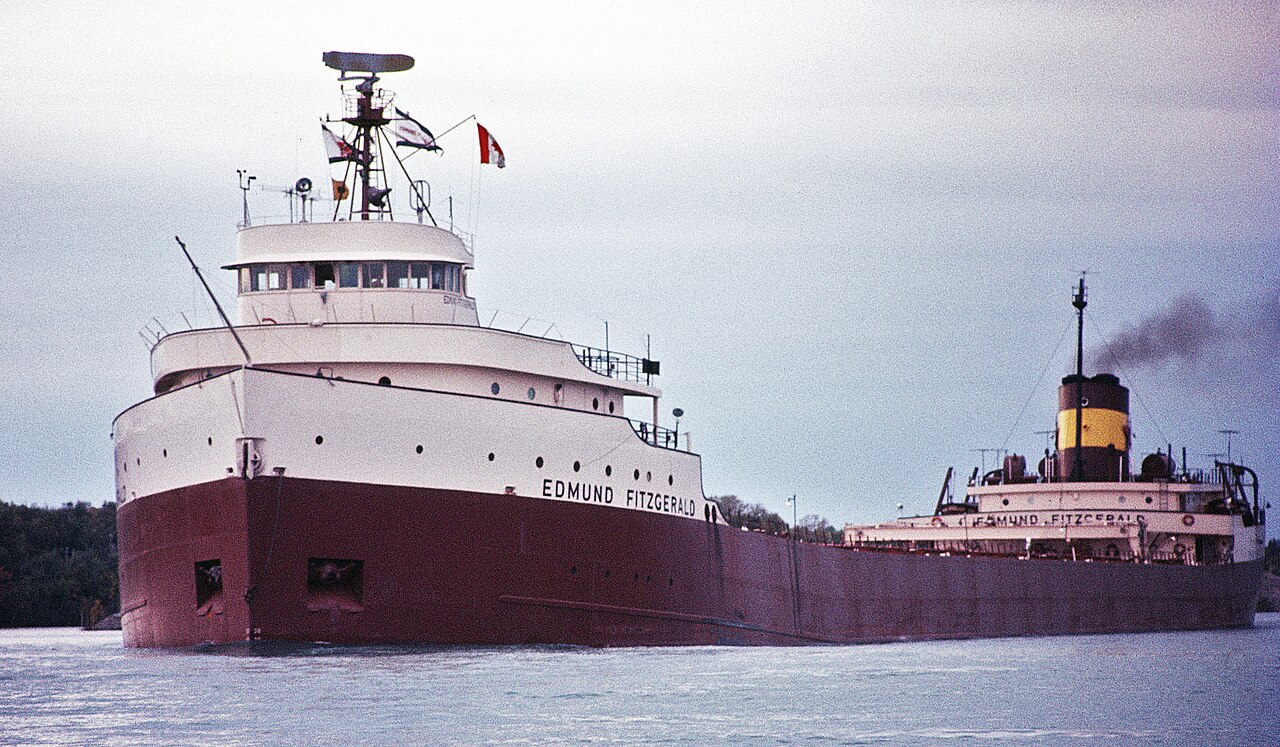
When she was launched in 1958, the Edmund Fitzgerald was the largest ship on the Great Lakes, a 729-foot freighter built to haul iron ore. On November 9, 1975, she left Superior, Wisconsin, loaded with about 26,000 tons of taconite pellets and bound for Detroit. A powerful November storm was building over Lake Superior.
By the next afternoon, the Fitzgerald was taking a beating from hurricane-force gusts and waves reported as high as 25 feet. She reported damage and a list, and another freighter, the Arthur M. Anderson, was tracking her by radar. Around 7:10 p.m., Captain Ernest McSorley radioed that they were holding their own. Soon afterward, the Fitzgerald vanished from the Anderson’s radar. She sank about 17 miles from the shelter of Whitefish Bay, taking all 29 crew members with her. No bodies were recovered.
The wreck lies in two large pieces about 530 feet down, in Canadian waters. Investigators never settled on a single cause; theories include failed hatch covers, a brush with a shoal and rogue waves. In 1995, divers recovered the ship’s bell, now displayed at the Great Lakes Shipwreck Museum at Whitefish Point, Michigan, and left a replica engraved with the crew’s names. Gordon Lightfoot’s 1976 ballad The Wreck of the Edmund Fitzgerald carried the story far beyond the lakes.
6SS Andrea Doria
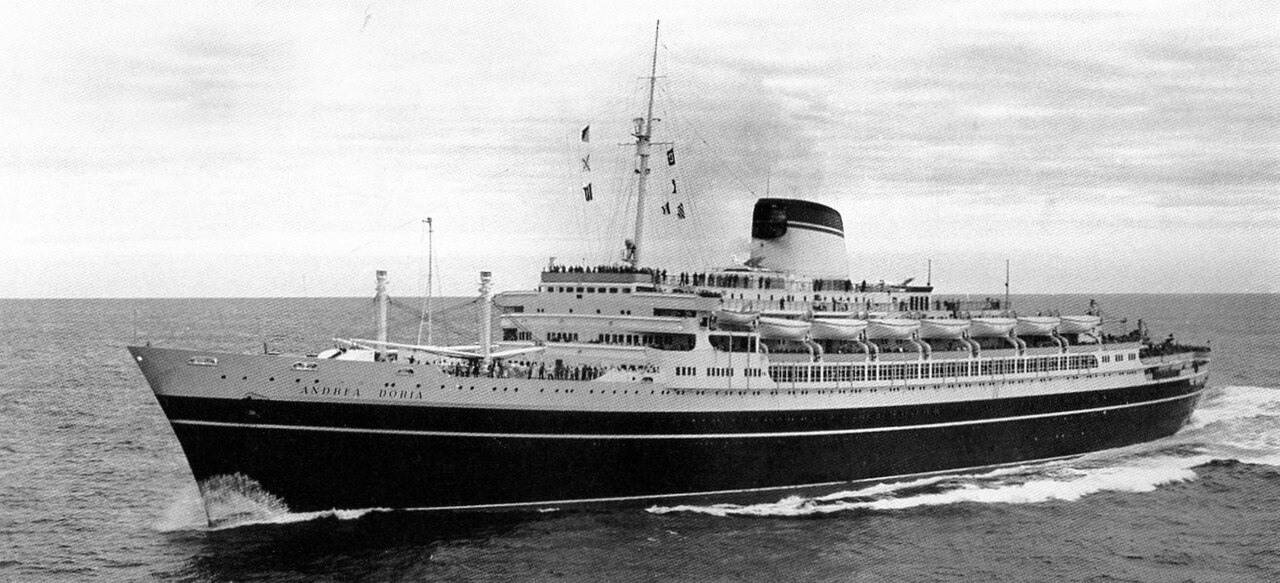
The Andrea Doria was Italy’s postwar showpiece, a sleek liner full of art and elegance. On the foggy night of July 25, 1956, as she neared New York off Nantucket, the outbound Swedish liner Stockholm emerged from the murk and struck her starboard side almost at a right angle, slicing deep into her hull.
Both ships had radar and had picked each other up on their screens, but misjudged courses and a lack of direct communication turned a near miss into a collision. The impact killed 46 people aboard the Andrea Doria and 5 crew members aboard the Stockholm. One of the most remarkable survivals belonged to 14-year-old Linda Morgan, who was thrown from her bed and ended up on the Stockholm’s crushed bow, injured but alive. Newspapers called her the miracle girl.
What followed was one of the greatest rescues in maritime history. The Andrea Doria listed too steeply to launch the lifeboats on one side, but nearby ships raced in, led by the French liner Île de France, which lit up every light she had and took on 753 survivors. About 1,660 people were saved. The liner sank the next morning, roughly 11 hours after the collision. Her wreck, about 240 feet down, has since claimed the lives of at least 22 divers.
5MV Wilhelm Gustloff
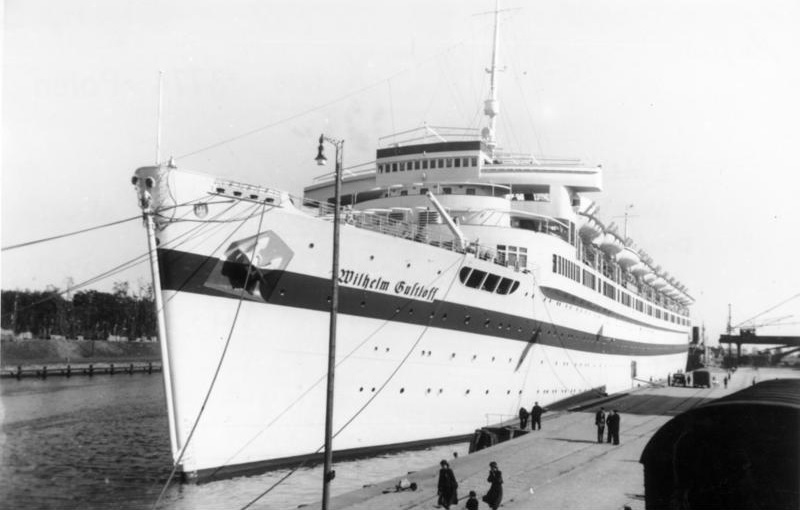
The deadliest shipwreck in history is far less famous than the Titanic. The Wilhelm Gustloff was launched in 1937 as a cruise ship for the Nazi Strength Through Joy program, then converted for military use during World War II. By January 1945, with the Soviet army advancing into East Prussia, it was pressed into Operation Hannibal, a vast sea evacuation of soldiers and civilians from the Baltic coast.
On January 30, 1945, the ship left Gotenhafen, now Gdynia in Poland, dangerously overloaded. Official lists counted about 6,050 people aboard, but later research by survivor-turned-historian Heinz Schön put the total above 10,000, a large share of them refugees, including many children, along with wounded soldiers and naval personnel. That night, the Soviet submarine S-13, commanded by Alexander Marinesko, hit the ship with three torpedoes.
The ship sank in less than an hour into water around 4°C (39°F), with the air far below freezing. Most victims died of hypothermia or were trapped inside. German vessels rescued about 1,250 people. Estimates of the dead vary, but the most commonly cited figure is around 9,300, which would make it the deadliest single-ship sinking ever recorded. The wreck, in Polish waters, is protected as a war grave, and Günter Grass revisited the tragedy in his 2002 novel Crabwalk.
4The Mary Rose
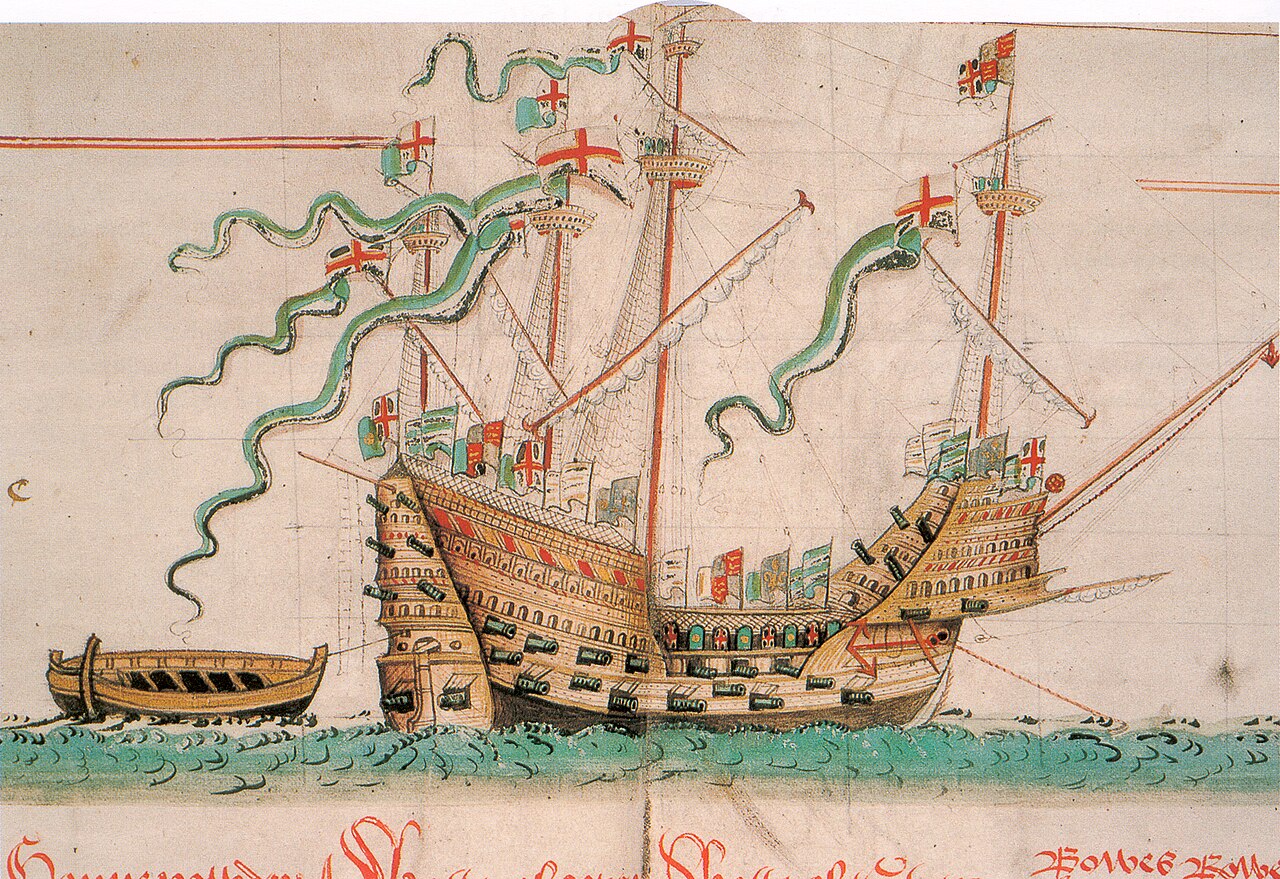
On July 19, 1545, a French invasion fleet was in the Solent, the strait off Portsmouth, and King Henry VIII was nearby at Southsea Castle, reportedly watching his navy sail out to meet it. One of his favorite warships, the Mary Rose, in service for more than three decades, turned to engage. Then, within minutes, she heeled over and sank.
Of a crew estimated at 400 to 500 men, fewer than 35 are thought to have survived. Historians still argue about why she went down. Leading explanations combine instability and bad luck: a sudden gust of wind as she turned, open gunports letting the sea pour in, and a ship possibly overloaded with extra soldiers. Some accounts also blame confusion or disobedience among the crew.
The Solent’s soft silt buried and protected part of the hull for more than four centuries. After years of excavation involving thousands of dives, the surviving hull section was raised on October 11, 1982, an event watched live on television by an estimated 60 million people worldwide. More than 19,000 artifacts came up with her, from bronze guns and 172 longbows to leather mittens, nit combs and a barber-surgeon’s tools, an extraordinary snapshot of Tudor life at sea. The hull and its treasures are now displayed at the Mary Rose Museum in Portsmouth Historic Dockyard.
3The Vasa
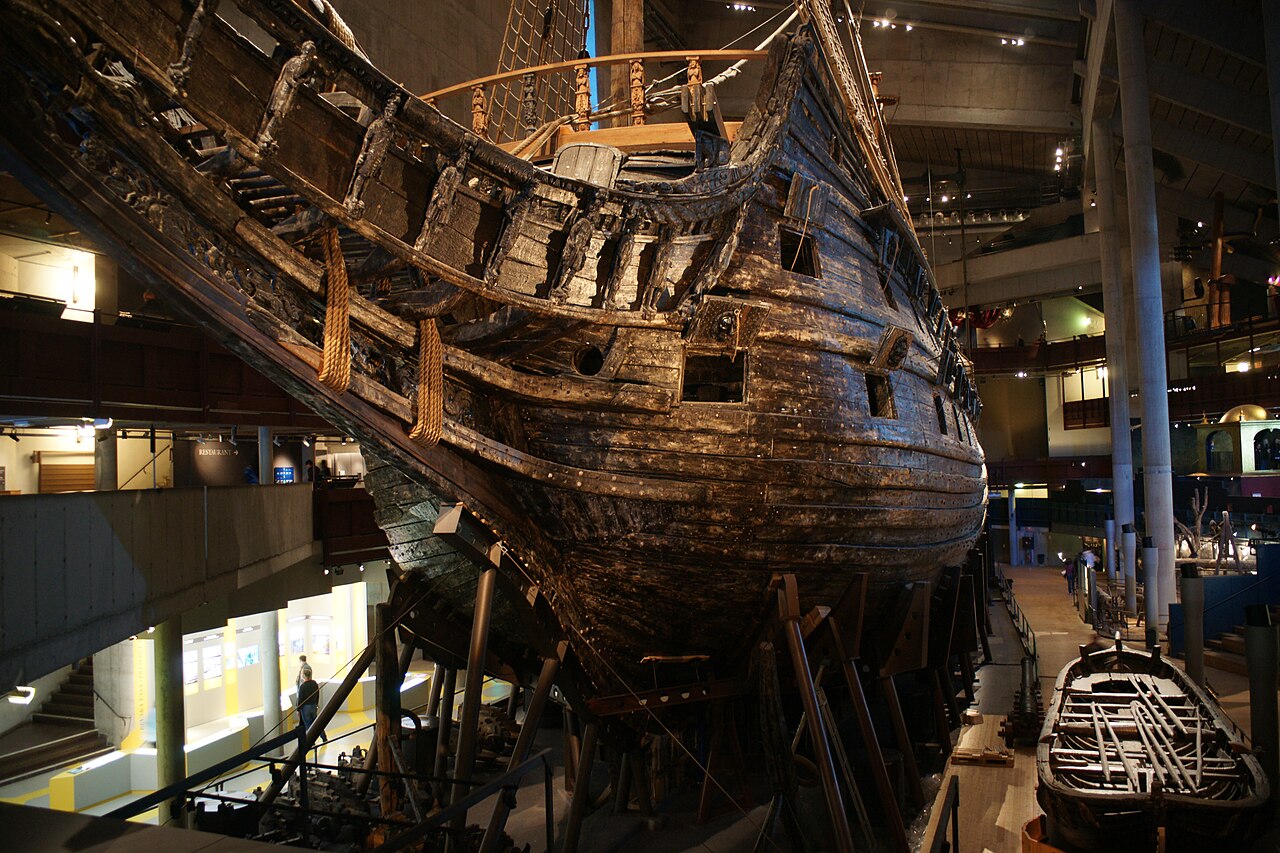
The Vasa was meant to be one of the mightiest warships in the Baltic, a floating declaration of King Gustav II Adolf’s ambitions, armed with 64 guns and decorated with hundreds of carved and painted sculptures. On August 10, 1628, crowds in Stockholm watched her set off on her maiden voyage. She sailed about 1,300 meters, caught a gust of wind, heeled over, took on water through her open gunports and sank in full view of the city.
Around 30 people are reported to have died. The cause was simple and fatal: the ship was dangerously top-heavy, with too much weight up high and too little stability below. An inquiry punished no one. The blame effectively fell on the master shipwright, who had died before she was finished, and when officials pressed for an explanation, one shipbuilder reportedly answered that only God knew.
Then the Baltic did something extraordinary. Its cold, brackish water lacked the shipworms that devour wooden wrecks elsewhere, so the Vasa survived on the seabed largely intact. Researcher Anders Franzén located her in 1956, and she was raised on April 24, 1961. Today she is the centerpiece of the Vasa Museum, which has welcomed more than 45 million visitors since 1961, making it one of Scandinavia’s most visited museums.
2Endurance
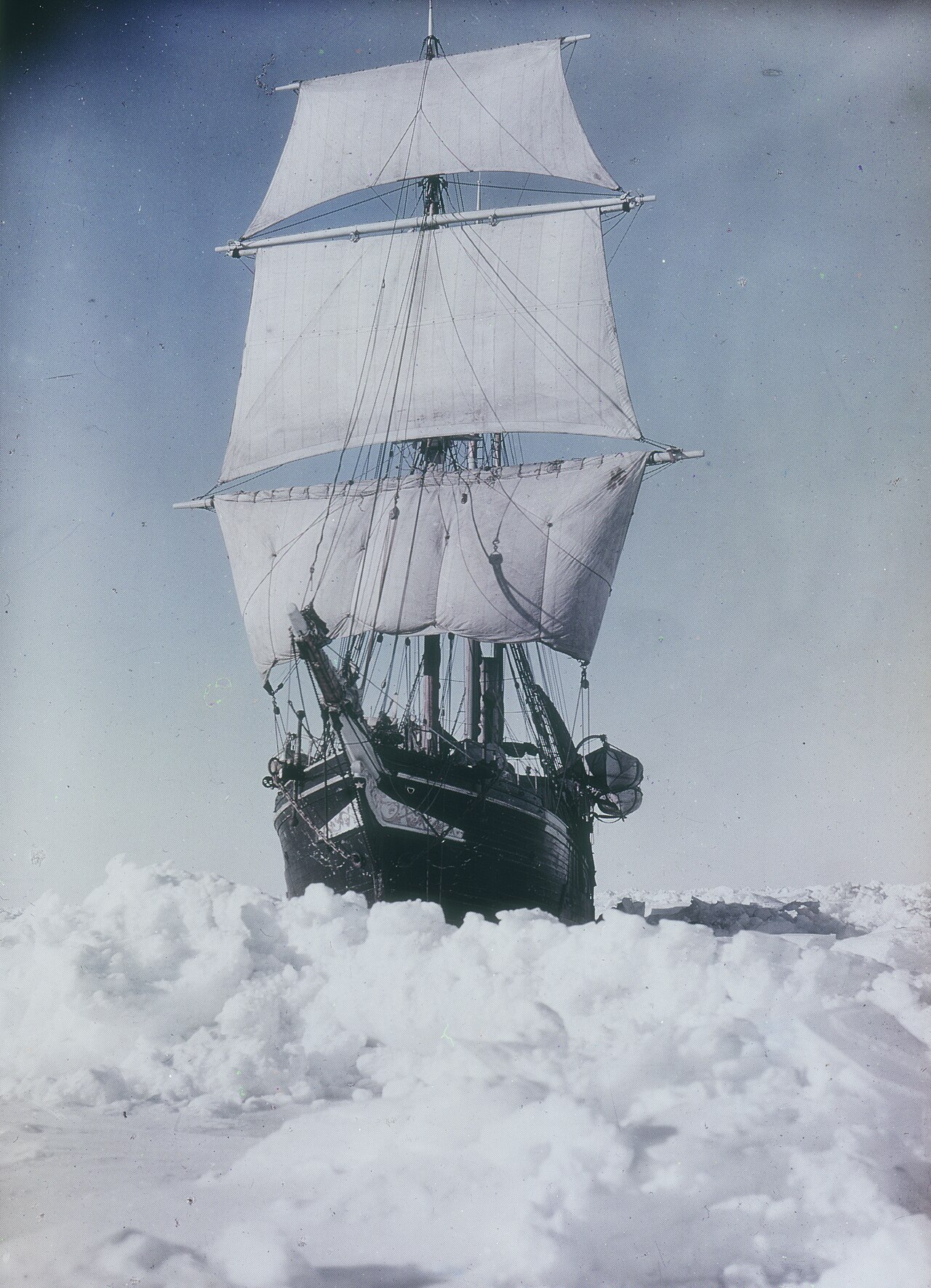
In January 1915, Ernest Shackleton’s ship Endurance, carrying his Imperial Trans-Antarctic Expedition, became trapped in the pack ice of the Weddell Sea. For months the crew waited, hoping the ice would let her go. Instead it slowly crushed her. On November 21, 1915, the battered ship slipped beneath the ice.
What followed is one of the greatest survival stories ever told. The 28 men camped on drifting floes, then took to three lifeboats and reached desolate Elephant Island in April 1916. Shackleton and five companions sailed a small open boat, the James Caird, roughly 800 miles (1,300 km) across the stormy Southern Ocean to South Georgia, crossed the island’s unmapped mountains on foot, and organized a rescue. Every man left on Elephant Island was brought out by August 30, 1916. Not one member of the ship’s party died.
The wreck stayed lost for more than a century. On March 5, 2022, the Endurance22 expedition found her about 3,008 meters (9,869 feet) down, only about 5 nautical miles from where captain Frank Worsley had recorded the sinking. Footage showed her in astonishing condition, with the name ENDURANCE still arched across the stern. The wreck is protected under the Antarctic Treaty, so it will not be salvaged or disturbed.
1RMS Titanic
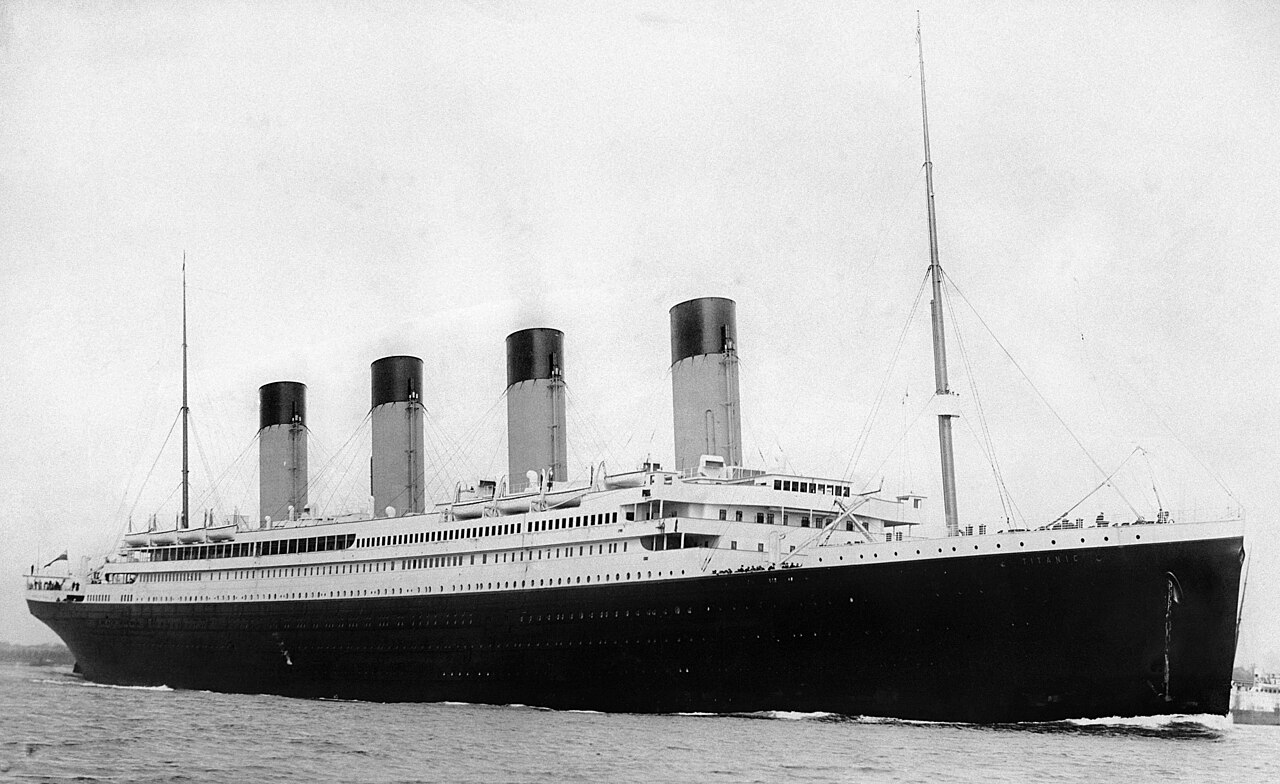
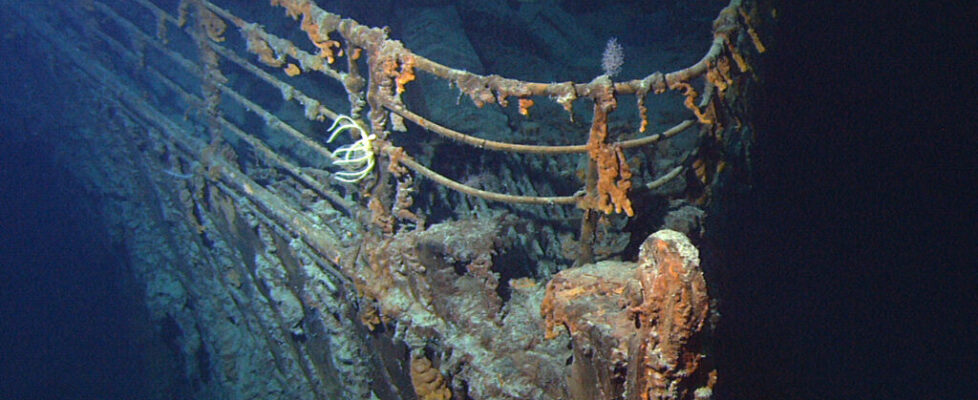
No shipwreck haunts the imagination like this one. RMS Titanic, the largest ship afloat when she entered service, left Southampton on her maiden voyage on April 10, 1912, bound for New York with about 2,224 passengers and crew. Late on April 14, roughly 370 miles south-southeast of Newfoundland, she struck an iceberg that opened several of her forward watertight compartments to the sea.
Titanic sank at about 2:20 a.m. on April 15. She carried 20 lifeboats with room for only about 1,178 people, and many were lowered partly empty amid the confusion. More than 1,500 people died in the freezing water, and the losses fell hardest on third-class passengers and crew. The disaster led directly to the first International Convention for the Safety of Life at Sea, which required lifeboat space for everyone aboard and round-the-clock radio watches.
For 73 years, the wreck’s location was a mystery. On September 1, 1985, a French-American expedition led by Jean-Louis Michel and Robert Ballard found it about 12,500 feet (3,800 meters) down, broken into two main pieces roughly 2,000 feet apart. Rust-eating bacteria are steadily consuming it. In 2023 the site made headlines twice: mappers released the first full-size digital scan of the wreck, and the submersible Titan imploded on a dive there, killing all five people aboard.
What the Sea Gives Back
Every wreck on this list is a time capsule and, in many cases, a grave. Some were lost to storms, others to human error, cruelty or war, and a few to the plain hubris of building bigger than anyone knew how to handle. Each one changed something, whether ship design, safety law or simply how we remember the people aboard.
If sunken gold and pirate hoards are your thing, dive into our list of legendary lost treasures still waiting to be found. And to meet the strange animals that share the deep with many of these wrecks, explore these deep-sea creatures that look like aliens.
Quick answers
What is the deadliest shipwreck in history?
The sinking of the German ship Wilhelm Gustloff on January 30, 1945, is generally considered the deadliest single-ship disaster. Torpedoed by a Soviet submarine in the Baltic while evacuating refugees and military personnel, it took an estimated 9,000 or more lives, though exact figures vary. That is roughly six times the Titanic’s death toll.
How deep is the Titanic wreck?
The Titanic lies about 12,500 feet (3,800 meters) below the surface of the North Atlantic, roughly 370 miles south-southeast of Newfoundland. The ship broke into two main sections that rest about 2,000 feet apart, surrounded by a wide debris field. The wreck was discovered on September 1, 1985, by a French-American expedition.
Was Shackleton’s ship Endurance ever found?
Yes. Ernest Shackleton’s ship Endurance, crushed by Antarctic pack ice in 1915, was found on March 5, 2022, by the Endurance22 expedition in the Weddell Sea. It lies about 3,008 meters (9,869 feet) down and is remarkably well preserved. As a protected historic site under the Antarctic Treaty, it will not be raised or disturbed.
Sources, further reading & photo credits
- Wreck of the Titanic — Wikipedia
- Whydah Gally — Wikipedia
- SS Central America — Wikipedia
- Batavia (1628 ship) — Wikipedia
- SS Edmund Fitzgerald — Wikipedia
- SS Andrea Doria — Wikipedia
- MV Wilhelm Gustloff — Wikipedia
- Mary Rose — Wikipedia
- Vasa (ship) — Wikipedia
- Endurance (1912 ship) — Wikipedia
- Titanic — Wikipedia
Cover image: Courtesy of NOAA/Institute for Exploration/University of Rhode… · Public domain · via Wikimedia Commons. Photos throughout this list are sourced from Wikimedia Commons under the licenses noted in each caption.