

10 Real-Life Heists That Sound Like Movie Plots

Hollywood loves a heist: the crew, the plan, the impossible vault, the one detail that goes wrong. Real life, it turns out, writes some of the best scripts. People have tunneled under banks, posed as police officers and walked out of world-famous museums with priceless treasures, sometimes in broad daylight.
Here are 10 real heists that sound like movie plots, counted down to the art theft that still haunts investigators decades later. Some ended with arrests, some with unanswered questions, and a few were still being actively investigated as of 2026. None of them are as glamorous up close as they look on screen, but all of them are hard to forget.
10The Banco Central Burglary at Fortaleza
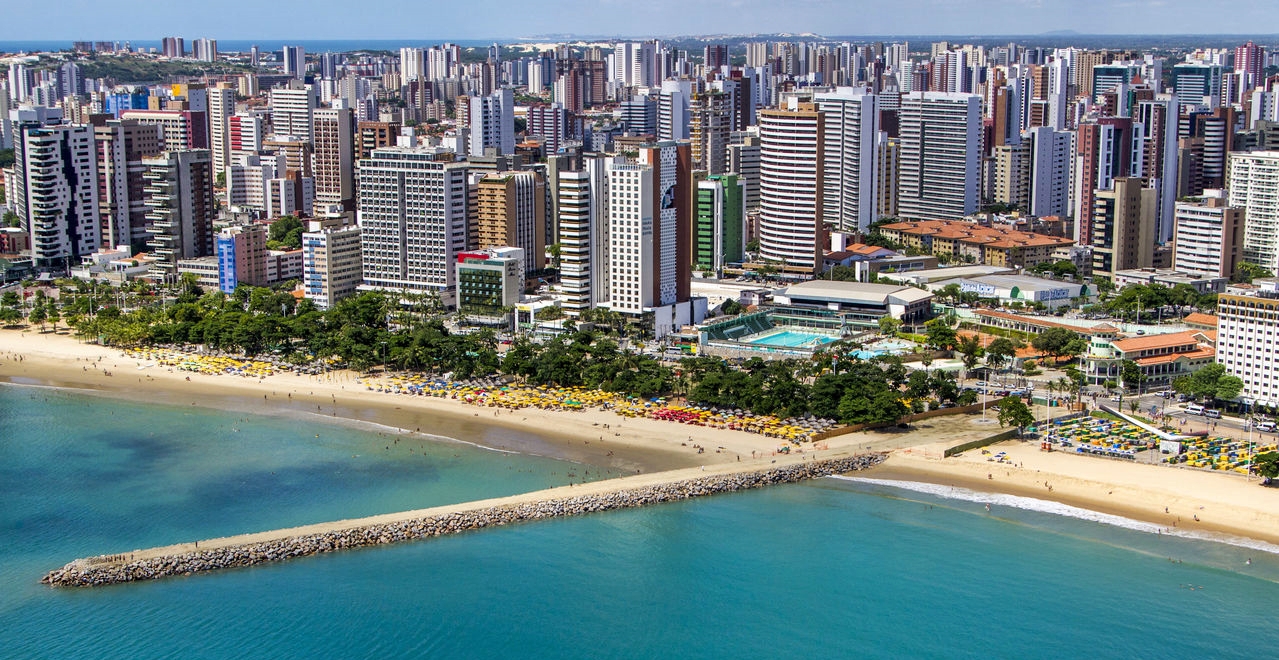
In the months before August 2005, a small business set up shop in a rented house in Fortaleza, in northeastern Brazil, apparently selling artificial grass. If neighbors noticed a lot of dirt being hauled away, it fit the landscaping story. In reality, the crew was digging a tunnel toward the vault of the city’s Banco Central branch.
The tunnel ran roughly 80 meters (about 260 feet) and was reportedly shored up with wooden boards and fitted with lighting and ventilation. Over the weekend of August 6–7, the gang broke through the vault’s reinforced concrete floor and removed about 3.5 tons of 50-real notes, worth roughly 165 million reais, or around $70 million at the time. The theft wasn’t discovered until staff arrived on Monday.
Because the notes were used bills without recorded serial numbers, the cash was hard to trace. Police still made dozens of arrests over the following years, and many participants were eventually convicted. Only a fraction of the money was ever recovered, and several people linked to the heist were reportedly kidnapped afterward by criminals hoping to get a cut. The case was retold in the 2022 Netflix documentary series 3 Tonelada$.
9The Lufthansa Heist
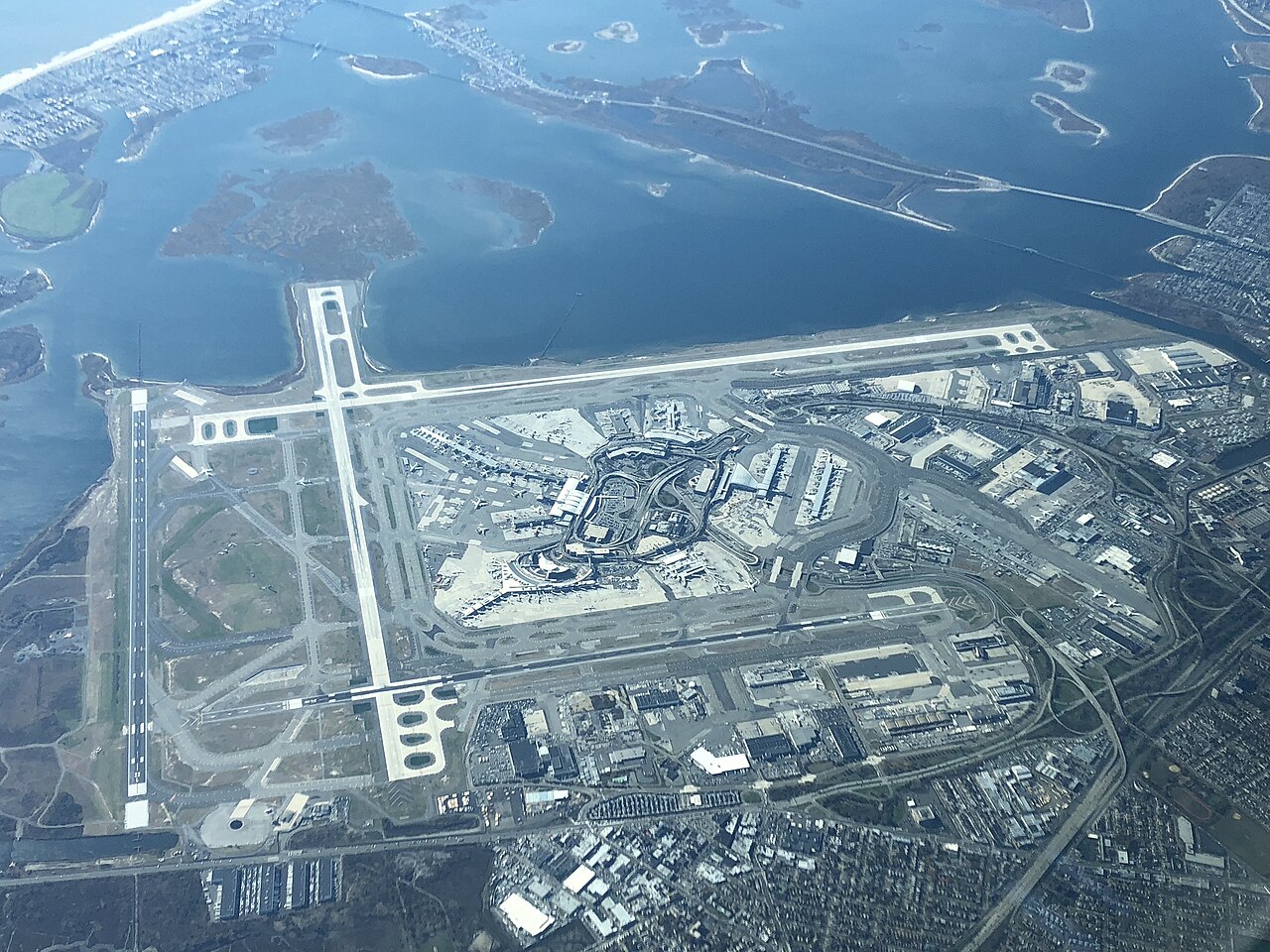
In the early hours of December 11, 1978, a group of masked men entered the Lufthansa cargo terminal at New York’s John F. Kennedy International Airport. They knew exactly where to go. Within about 90 minutes, they left with roughly $5 million in cash and $875,000 in jewelry, at the time the largest cash robbery in U.S. history.
The job relied on inside information. An airport cargo worker named Louis Werner, who owed money to a bookmaker, passed along details about the shipment and the terminal’s security, information that made its way to people connected to organized crime. The robbery is widely believed to have been organized by James Burke, an associate of the Lucchese crime family. Employees were held at gunpoint and restrained, but no one was killed during the robbery itself.
What happened next is why the case became infamous. The money and jewelry were never recovered, and in the months that followed, a number of people suspected of involvement were found dead or disappeared, leaving investigators with few witnesses. Werner was the only person convicted for the heist. Burke was never charged with it, though he later went to prison for other crimes. The story became a central thread in the 1990 film Goodfellas.
8The Hatton Garden Safe Deposit Burglary
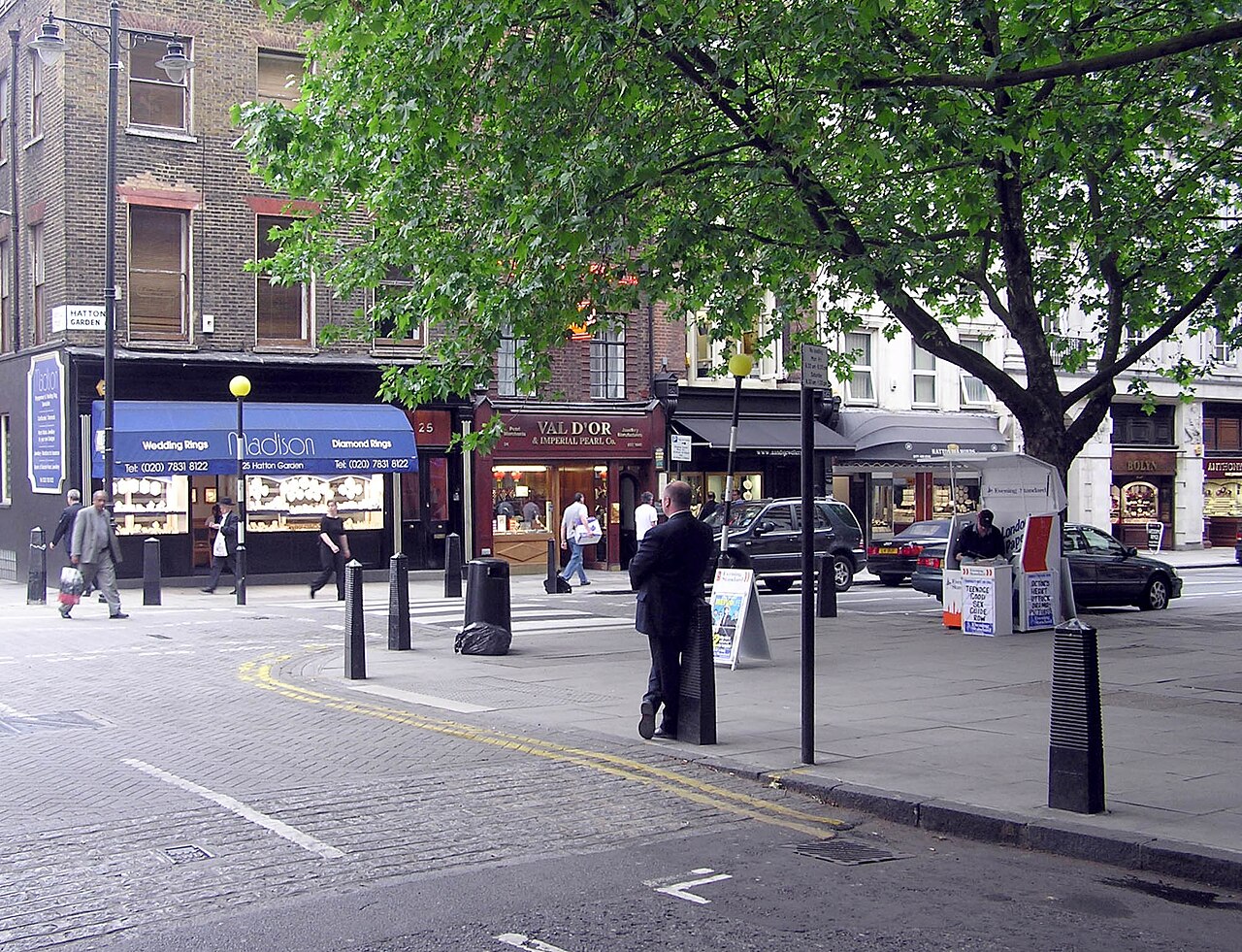
Over Easter weekend in April 2015, a gang of mostly older men broke into the Hatton Garden Safe Deposit company in the heart of London’s jewelry district. Their plan sounded like something from a caper film: get into the building, climb down a lift shaft and drill straight through the vault wall.
That wall was about 50 centimeters of reinforced concrete. Using a heavy-duty diamond-core drill, the gang bored overlapping holes big enough to squeeze through, only to find a metal cabinet fixed in place on the other side. They left empty-handed, returned two nights later with new equipment and got in, then spent hours emptying dozens of safe deposit boxes. An alarm had gone off during the first night, but police didn’t respond.
Estimates put the haul at up to £14 million in jewels, gold and cash. The thieves’ old-school methods were matched by modern police work: investigators tracked them using CCTV, phone records and vehicle data, and arrests came within weeks. Several men in their 60s and 70s were convicted, including 76-year-old ringleader Brian Reader. Only part of the loot was recovered, and the case has inspired several films and TV dramas.
7The Great Train Robbery

Just after 3 a.m. on August 8, 1963, the overnight Royal Mail train from Glasgow to London slowed to a stop in the Buckinghamshire countryside. The signal ahead was red. It wasn’t supposed to be. A gang had covered the green light with a glove and wired the red one to a battery.
A gang of about 15 men, led by Bruce Reynolds, uncoupled the carriages carrying high-value packages, moved them down the line to Bridego Bridge and formed a human chain to unload more than 100 mailbags. They got away with about £2.6 million, worth roughly £50 million today. The train’s driver, Jack Mills, was struck on the head during the robbery and seriously injured, and his family said he never fully recovered.
The robbers hid out at Leatherslade Farm, where police later found fingerprints, including on a Monopoly board they had used to pass the time. Most of the gang were caught, and several received 30-year sentences. Ronnie Biggs escaped from Wandsworth Prison in 1965 and lived as a fugitive, mostly in Brazil, until he returned to Britain voluntarily in 2001. Most of the money was never found.
6The D.B. Cooper Hijacking

On the day before Thanksgiving in 1971, a quiet man in a dark suit bought a one-way ticket from Portland to Seattle under the name Dan Cooper. After takeoff, he handed a flight attendant a note. He had a bomb, he said, and he wanted $200,000 and four parachutes.
In Seattle, the FBI delivered the cash in $20 bills, and Cooper let the passengers go. Then he ordered the Boeing 727 back into the air, heading south toward Mexico at low speed and altitude. Somewhere over southwest Washington, on a dark and stormy night, he lowered the plane’s rear airstair and jumped. He was never seen again. A news mix-up turned “Dan Cooper” into “D.B. Cooper,” and the name stuck.
The FBI investigated hundreds of suspects over 45 years. The only solid clue surfaced in 1980, when an 8-year-old boy found about $5,800 of the ransom money, in decaying $20 bills, along the Columbia River. In 2016, the FBI suspended its active investigation, leaving the case widely described as the only unsolved airplane hijacking in American history. Amateur sleuths, however, are still very much on the case.
5The Dresden Green Vault Jewel Heist
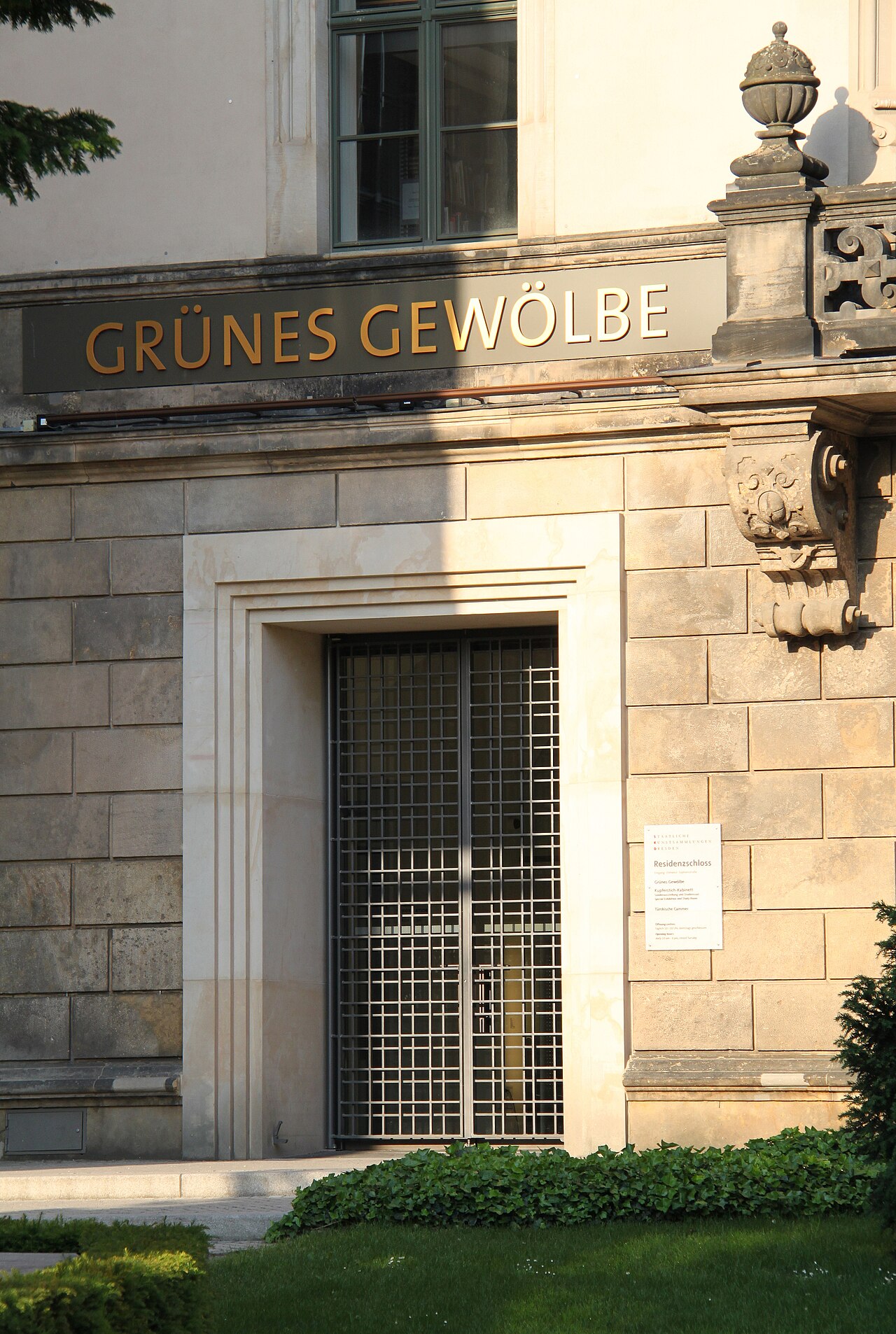
In the early hours of November 25, 2019, a fire broke out in an electrical junction box near Dresden’s Royal Palace, cutting power to nearby streetlights. Minutes later, thieves climbed through a window of the Green Vault, one of Europe’s oldest and richest treasure collections. Investigators later said the window’s iron bars had been cut in advance.
Security cameras captured two men smashing a display case with an axe. Within minutes, they took 21 pieces of royal Saxon jewelry set with more than 4,300 diamonds. Then they fled and set fire to their getaway car in a parking garage. The stolen pieces had an insured value of more than €113 million.
Police eventually arrested members of Berlin’s Remmo crime clan; one of them was already in prison for stealing a 100-kilogram gold coin from the city’s Bode Museum in 2017. Under a plea deal, much of the loot was handed back in late 2022, some of it damaged. In May 2023, five men were convicted and sentenced to between four years and four months and six years and three months. Several treasures, including a diamond necklace that belonged to Queen Amalie Auguste and an epaulette set with the famous “Saxon White” diamond, are still missing.
4The Antwerp Diamond Heist
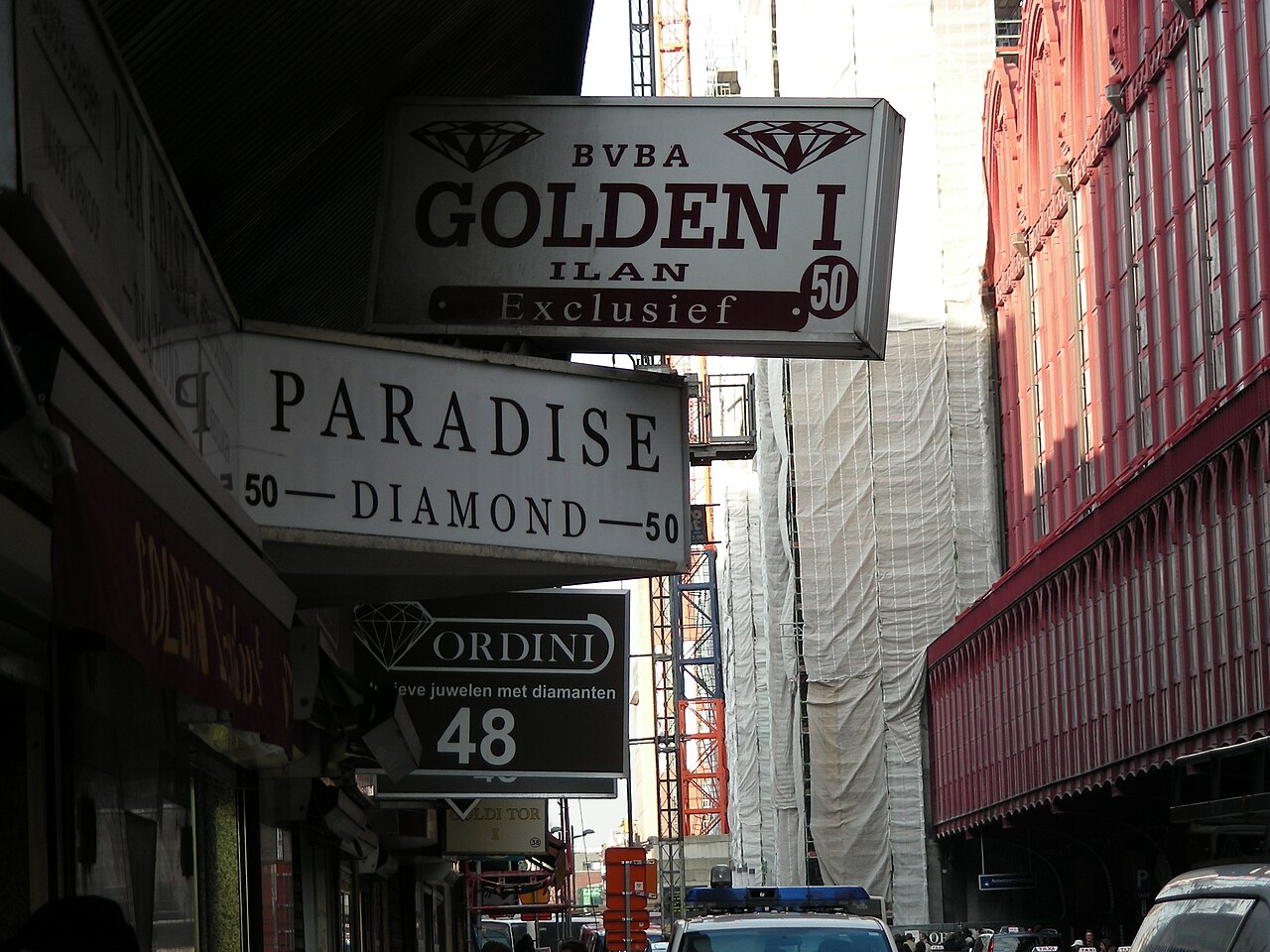
The vault beneath the Antwerp Diamond Center was considered one of the most secure in the world. It sat two floors underground behind a combination lock and key lock, guarded by infrared heat detectors, a motion sensor, a magnetic field alarm and a light sensor. Over the weekend of February 15–16, 2003, a team of Italian thieves beat every one of them.
According to later accounts, including one the ringleader gave to Wired magazine, the crew used tricks straight out of a movie: hairspray to blind a sensor, a polystyrene shield to block heat detectors and an aluminum plate to fool the magnetic alarm on the vault door. Once inside, they broke open 109 of the vault’s 189 safe deposit boxes and carried off diamonds, gold and jewelry valued at an estimated $100 million or more.
The getaway is where the plan unraveled. Members of the crew dumped bags of trash in a forest near the E19 highway, and a local landowner found them the next morning. Among the debris was a half-eaten salami sandwich, and investigators used DNA and other evidence to tie the crime to ringleader Leonardo Notarbartolo. He was sentenced to 10 years. He later claimed the haul was far smaller, a story experts doubt. Most of the diamonds have never been found.
3The Theft of the Mona Lisa

Before 1911, the Mona Lisa was an admired painting. Afterward, it was the most famous painting on Earth. The transformation began on Monday, August 21, when the Louvre was closed and an Italian handyman named Vincenzo Peruggia, who had once helped install the museum’s protective glass cases, walked out with it hidden under his clothing.
According to the most common account, Peruggia spent the night hidden in the museum, then emerged in a white worker’s smock. He lifted the painting off the wall, removed its frame and protective glass case in a stairwell and left. Remarkably, nobody realized it was gone until the next day, when a visiting painter asked where it was. The theft became a global sensation. Police even questioned Pablo Picasso, and the poet Guillaume Apollinaire was briefly jailed.
For more than two years, the Mona Lisa sat in Peruggia’s Paris lodgings. In December 1913, he took it to Florence and offered to sell it to art dealer Alfredo Geri, claiming he wanted to return it to Italy. Geri alerted the director of the Uffizi Gallery, and Peruggia was arrested. He served only months in prison, and the painting returned to Paris a global celebrity.
2The 2025 Louvre Crown Jewels Heist

On the morning of Sunday, October 19, 2025, about half an hour after the Louvre opened, a truck carrying a furniture lift pulled up beside the museum’s Seine-facing facade. Two men dressed as construction workers rode it up to a second-floor balcony, cut through a window with an angle grinder and stepped into the Apollo Gallery, home of the French crown jewels and just a few rooms from the Mona Lisa.
In about four minutes inside, they smashed two display cases and grabbed eight pieces of 19th-century royal and imperial jewelry, including an emerald-and-diamond necklace Napoleon gave to Empress Marie-Louise. Then they rode back down and escaped on scooters. The whole operation took under eight minutes. In their haste, they dropped the crown of Empress Eugénie, set with more than a thousand diamonds, which was recovered, damaged, nearby. Prosecutors cited an estimate of €88 million for the stolen pieces.
Police arrested the first suspects about a week later, and by late November 2025, 11 people had been detained in the investigation, with several charged. As of summer 2026, none of the eight stolen pieces had been recovered. The Apollo Gallery reopened in July 2026 with no jewels on display, and Eugénie’s crown is set to be restored.
1The Isabella Stewart Gardner Museum Theft

In the early hours of March 18, 1990, as Boston wound down from St. Patrick’s Day celebrations, two men dressed as police officers buzzed the side entrance of the Isabella Stewart Gardner Museum. They told the guard on duty they were responding to a disturbance. He let them in, breaking museum rules.
The fake officers quickly handcuffed both guards and left them restrained in the basement. Over 81 minutes, they took 13 works of art, including Rembrandt’s The Storm on the Sea of Galilee, his only known seascape; Vermeer’s The Concert, one of only about three dozen known paintings by the Dutch master; Manet’s Chez Tortoni; several works on paper by Degas; and a bronze eagle finial from a Napoleonic flag. The haul’s estimated value is about $500 million.
It remains the largest unsolved art theft in history. The museum offers a $10 million reward for information leading to the works’ recovery in good condition. In 2013, the FBI said it believed it knew who the thieves were, but no one has ever been charged, and in March 2026, on the 36th anniversary, the investigation was still open. Inside the museum, empty frames still hang where the paintings used to be.
The Case Files Stay Open
Real heists rarely end like the movies. Most crews get caught, the loot is often damaged or destroyed, and real people get hurt along the way. Yet a few of these cases remain open years or even decades later, which keeps detectives, insurers and armchair sleuths searching. Every tip, auction listing and deathbed confession has the potential to crack one wide open.
Many stolen masterpieces and jewels have never resurfaced. Explore more in our list of legendary lost treasures still waiting to be found, or see how forgers and pranksters ran a different kind of con in famous hoaxes that fooled the world.
Quick answers
Has the art from the Gardner Museum heist been found?
No. None of the 13 works stolen from the Isabella Stewart Gardner Museum on March 18, 1990, has been recovered. The museum offers a $10 million reward for information leading to their return in good condition. The FBI still considers the case open, and the museum continues to display the empty frames.
What was stolen from the Louvre in 2025?
On October 19, 2025, thieves stole eight pieces of 19th-century French royal and imperial jewelry from the Louvre’s Apollo Gallery, including an emerald-and-diamond necklace Napoleon gave Empress Marie-Louise. The haul was estimated at €88 million. The crown of Empress Eugénie was dropped during the escape. As of summer 2026, the stolen pieces had not been recovered.
Was D.B. Cooper ever found?
No. The man who hijacked Northwest Orient Flight 305 on November 24, 1971, and parachuted away with $200,000 has never been identified. About $5,800 of the ransom money turned up along the Columbia River in 1980. The FBI suspended its active investigation in 2016, though private investigators continue to propose suspects.
Sources, further reading & photo credits
- Louvre Pyramid — Wikipedia
- Fortaleza — Wikipedia
- John F. Kennedy International Airport — Wikipedia
- Hatton Garden — Wikipedia
- Great Train Robbery (1963) — Wikipedia
- D. B. Cooper — Wikipedia
- Green Vault — Wikipedia
- Antwerp diamond district — Wikipedia
- Mona Lisa — Wikipedia
- Galerie d’Apollon — Wikipedia
- The Storm on the Sea of Galilee — Wikipedia
Cover image: Benh LIEU SONG ( Flickr ) · CC BY-SA 4.0 · via Wikimedia Commons. Photos throughout this list are sourced from Wikimedia Commons under the licenses noted in each caption.