

10 Famous Hoaxes That Fooled the Whole World

Most people like to think they’d never fall for a hoax. History suggests otherwise. Over the centuries, forgers and pranksters have fooled royalty, leading scientists, best-selling authors and millions of ordinary readers, often with props that look laughably crude in hindsight: a stitched-together “mermaid,” a few paper cutouts, a toy submarine.
These are the famous hoaxes that fooled the world, counted down to the one that misled science for more than 40 years. Each worked because it told people something they badly wanted to believe. And each eventually came apart, sometimes through clever detective work and sometimes because the hoaxer simply confessed. A few took decades to crack, and the truth was often stranger than the fake.
10The BBC’s Spaghetti Harvest
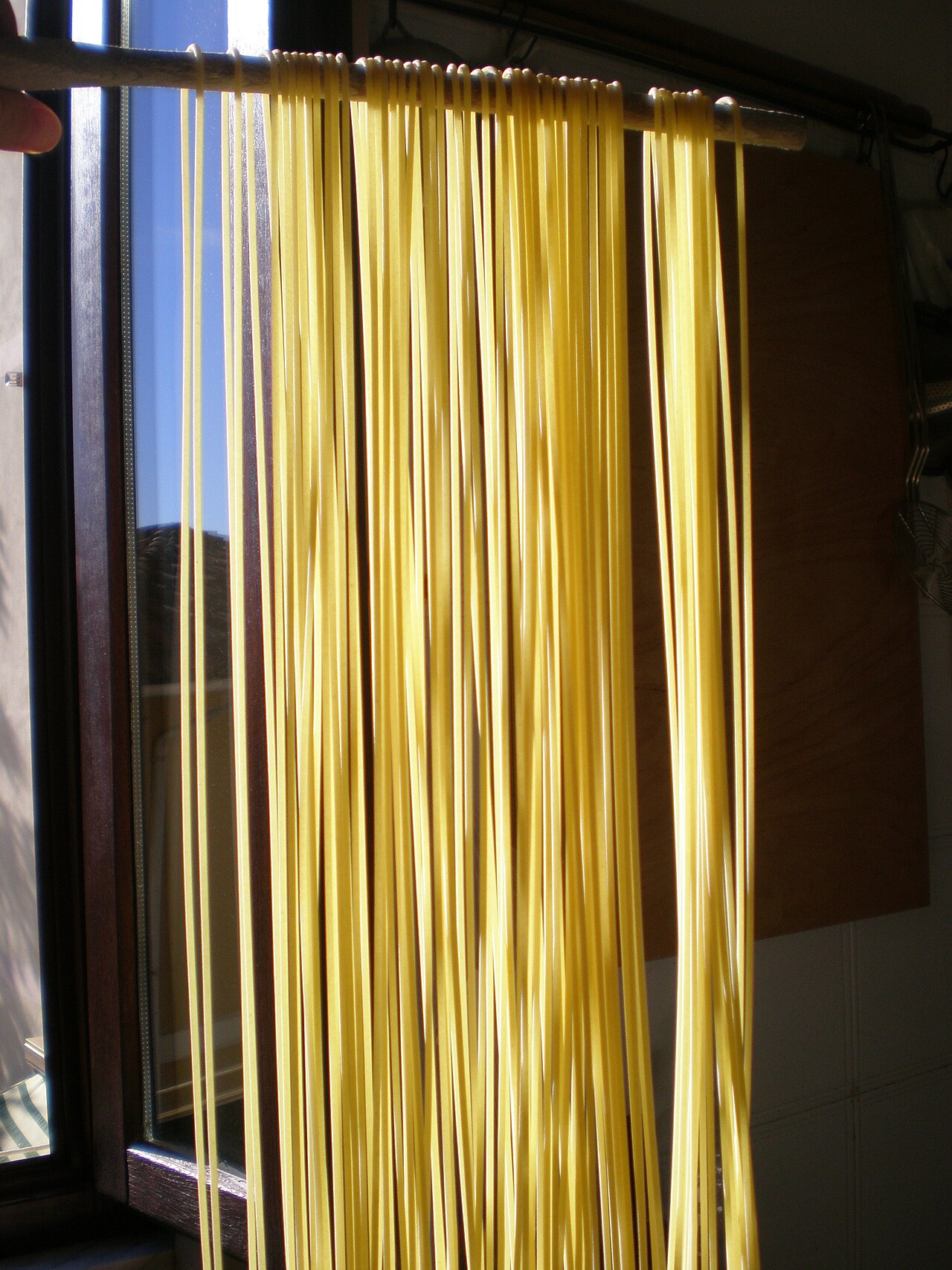
On April 1, 1957, the BBC’s respected current-affairs program Panorama aired a short report on a bumper spaghetti harvest in southern Switzerland. Viewers watched a family in the Ticino region plucking long strands of pasta from trees and laying them in the sun to dry. Veteran broadcaster Richard Dimbleby narrated it with complete seriousness.
The segment ran about three minutes and credited the excellent crop to a mild winter and the “virtual disappearance of the spaghetti weevil.” An estimated eight million people watched. In 1950s Britain, spaghetti was still an exotic food that many people knew mainly from cans, so the idea of it growing on trees didn’t seem quite as absurd as it does now.
Hundreds of viewers phoned the BBC afterward. Some were annoyed that a serious news program had pulled a prank, but many simply wanted to know how to grow their own spaghetti trees. According to the oft-repeated story, callers were told to place a sprig of spaghetti in a tin of tomato sauce and hope for the best. The idea came from Panorama cameraman Charles de Jaeger, and it remains one of the most famous April Fools’ pranks ever broadcast.
9Crop Circles
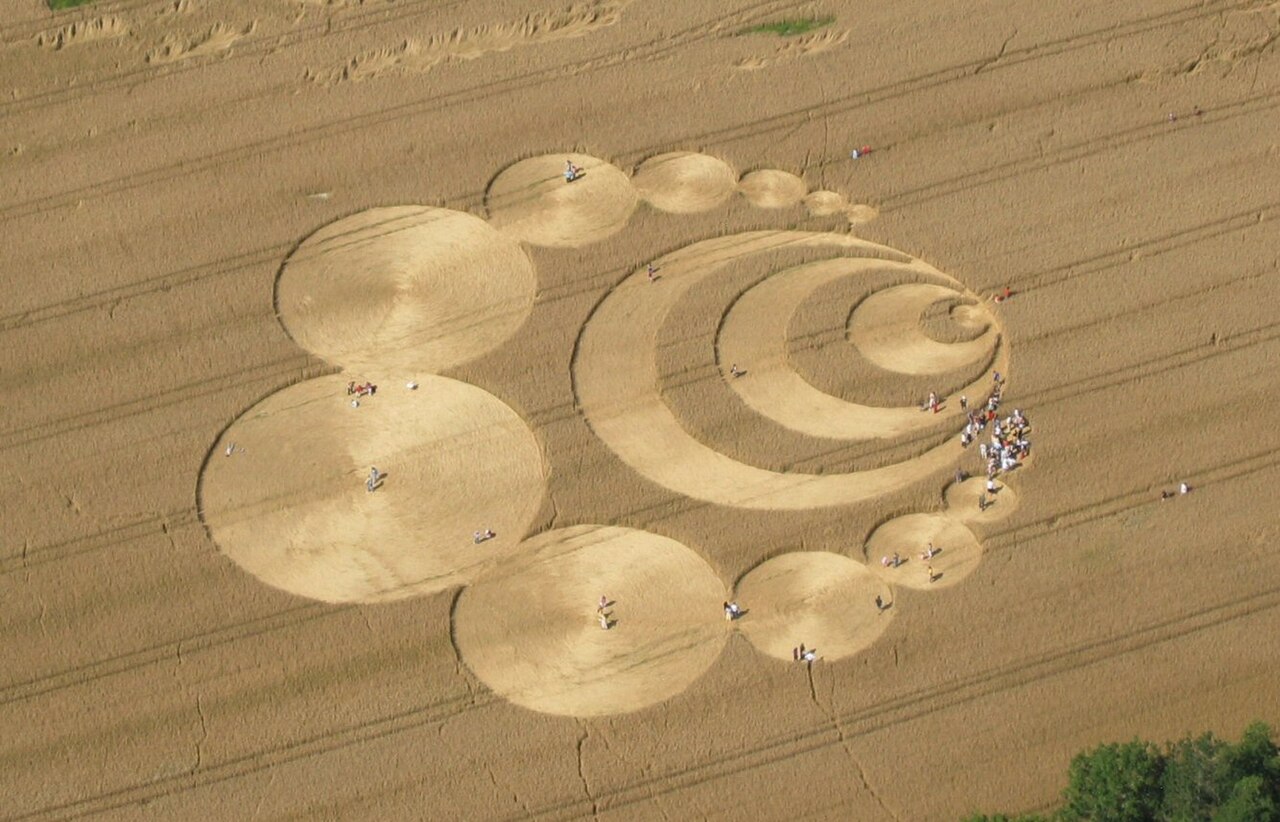
For years, mysterious circles of flattened grain kept appearing in the fields of southern England, growing larger and more intricate every summer. Believers talked about UFO landings, swirling “plasma vortices” and messages from unknown intelligences. A whole field of amateur study, nicknamed “cereology,” sprang up to investigate them.
Then, in September 1991, two men in their sixties from Southampton told a British newspaper they had been making many of the circles since the 1970s. Doug Bower and Dave Chorley said they got the idea from reports of mysterious “saucer nests” in Australian reed beds and dreamed up the scheme over drinks. Their toolkit was almost comically simple: a wooden plank, a length of rope and a cap fitted with a wire sight to help them walk in straight lines.
To prove it, they made a circle for journalists. A leading crop-circle researcher then reportedly examined it and declared it genuine, shortly before learning who had made it. The confession didn’t end the phenomenon, though. Other teams, many of them artists, took up the craft and produced staggeringly complex designs, and some believers still insist not every circle can be explained.
8The Hitler Diaries
In April 1983, the West German magazine Stern announced what it called the scoop of the century: Adolf Hitler’s secret diaries, 60 handwritten volumes supposedly rescued from a plane crash at the end of World War II. Stern had paid 9.3 million Deutsche Marks for them, and newspapers abroad lined up to publish extracts.
The diaries came through Stern reporter Gerd Heidemann, who believed he had tracked them down through a dealer in Nazi memorabilia. Some experts, including British historian Hugh Trevor-Roper, initially vouched for them. But at a crowded press conference on April 25, Trevor-Roper publicly voiced doubts. Within about two weeks, forensic tests showed the paper contained a whitening agent and the bindings contained polyester threads, both of which only came into use after the war.
The forger was Konrad Kujau, a Stuttgart dealer in memorabilia with a talent for imitation and little regard for historical accuracy. He had written the diaries himself, reportedly aging the pages with tea. In 1985, Kujau and Heidemann were each sentenced to more than four years in prison. The scandal damaged Stern’s reputation for years and became a classic lesson in how badly experts can want a story to be true.
7The Feejee Mermaid
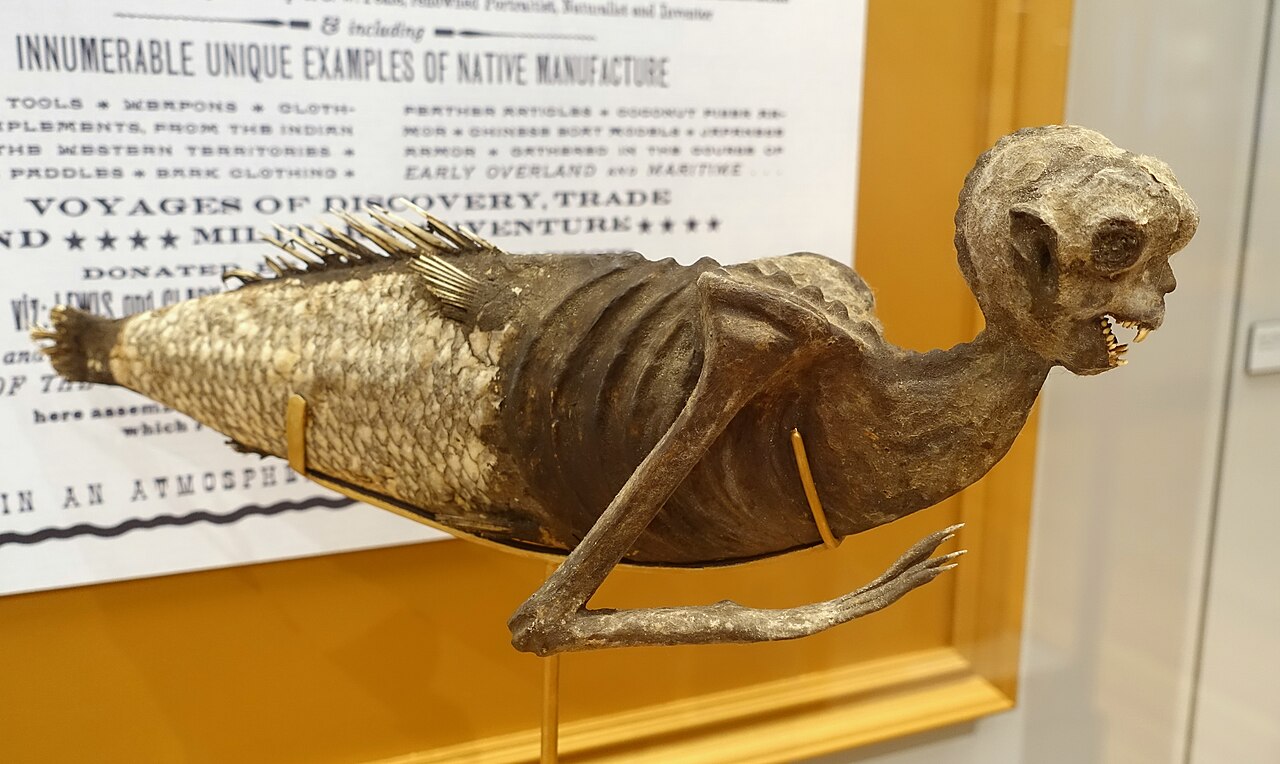
In the summer of 1842, New York newspapers began reporting that a naturalist named Dr. J. Griffin had arrived with an astonishing specimen: a genuine mermaid. Crowds expected something lovely. What they actually saw, after paying admission, was a shriveled, grimacing creature with what looked like the upper body of a monkey and the tail of a fish.
The whole thing was a setup by showman P.T. Barnum. “Dr. Griffin” was really Levi Lyman, one of Barnum’s associates, and the mermaid had been leased from Moses Kimball, owner of the Boston Museum, for $12.50 a week. Barnum built anticipation with glamorous mermaid illustrations and planted stories, then put the creature on display at his American Museum, where it drew big crowds.
The object had been bought in 1822 by an American sea captain, Samuel Barrett Edes, who reportedly paid $6,000 for it from Japanese sailors, dipping into his ship’s funds. It was most likely crafted in Japan, where such “mermaids” were made as curiosities. Barnum’s original is thought to have been lost in one of the fires that destroyed parts of his collections, but its imitators still turn up in museums and curiosity cabinets.
6The Great Moon Hoax
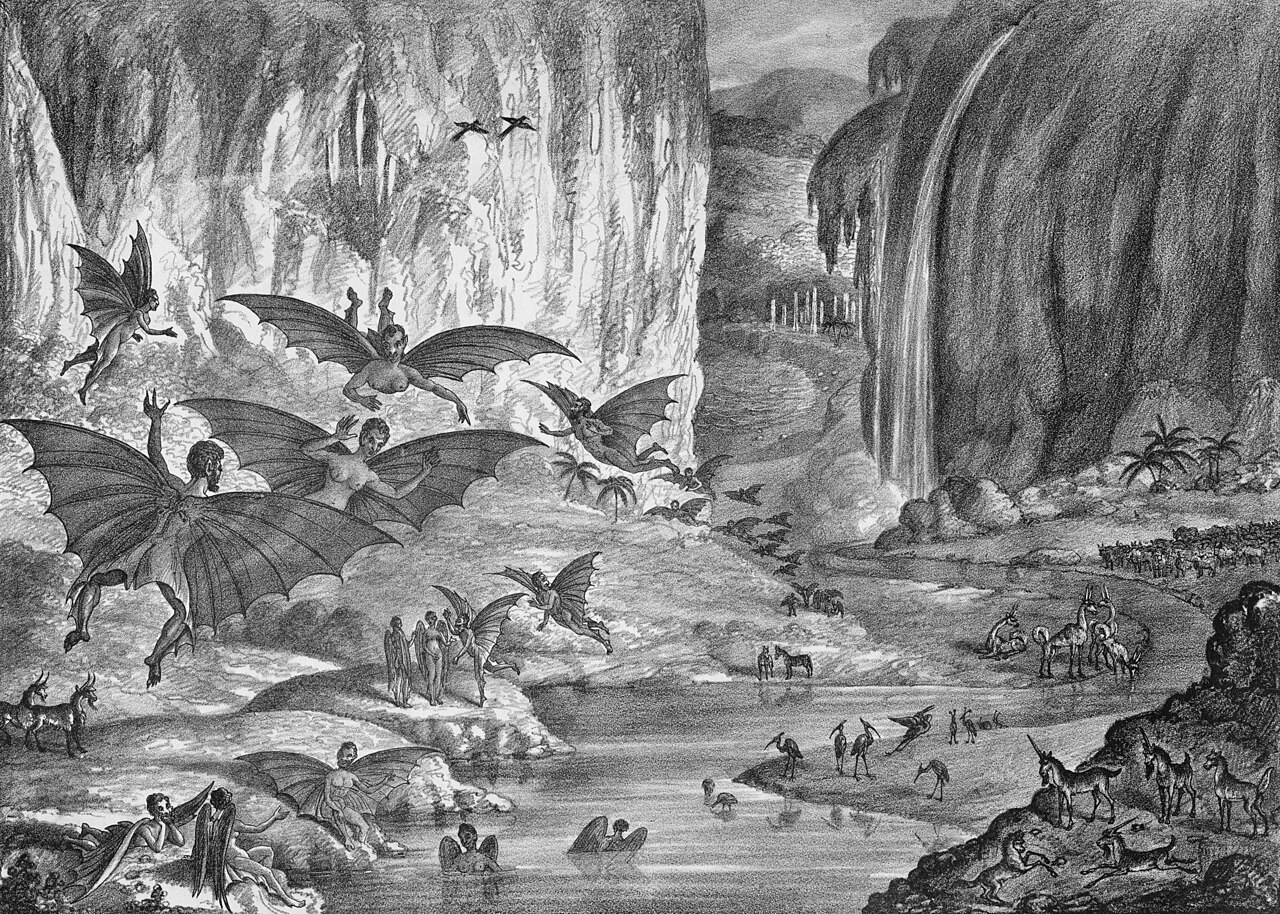
On August 25, 1835, the New York Sun began a series of articles announcing the greatest discovery in the history of astronomy. Using a revolutionary new telescope at the Cape of Good Hope, the famous British astronomer Sir John Herschel had supposedly spotted life on the Moon.
Over six installments, the reports grew wilder. Readers learned about lunar forests and seas, bison-like beasts, blue goat-like unicorns, beavers that walked upright and lived in huts, and finally bat-winged humanoids who flew between temples. The articles claimed to be reprinted from the Edinburgh Journal of Science, a respectable-sounding publication that had actually ceased publishing. The sheer amount of scientific-sounding detail made the story strangely convincing.
The real author was almost certainly Richard Adams Locke, a Sun reporter. Herschel was a genuine astronomer who really was working in South Africa at the time, but he knew nothing about the story and is said to have been amused at first. The series helped make the Sun one of the most widely read newspapers of its day, and the paper never issued a formal retraction.
5The Cardiff Giant
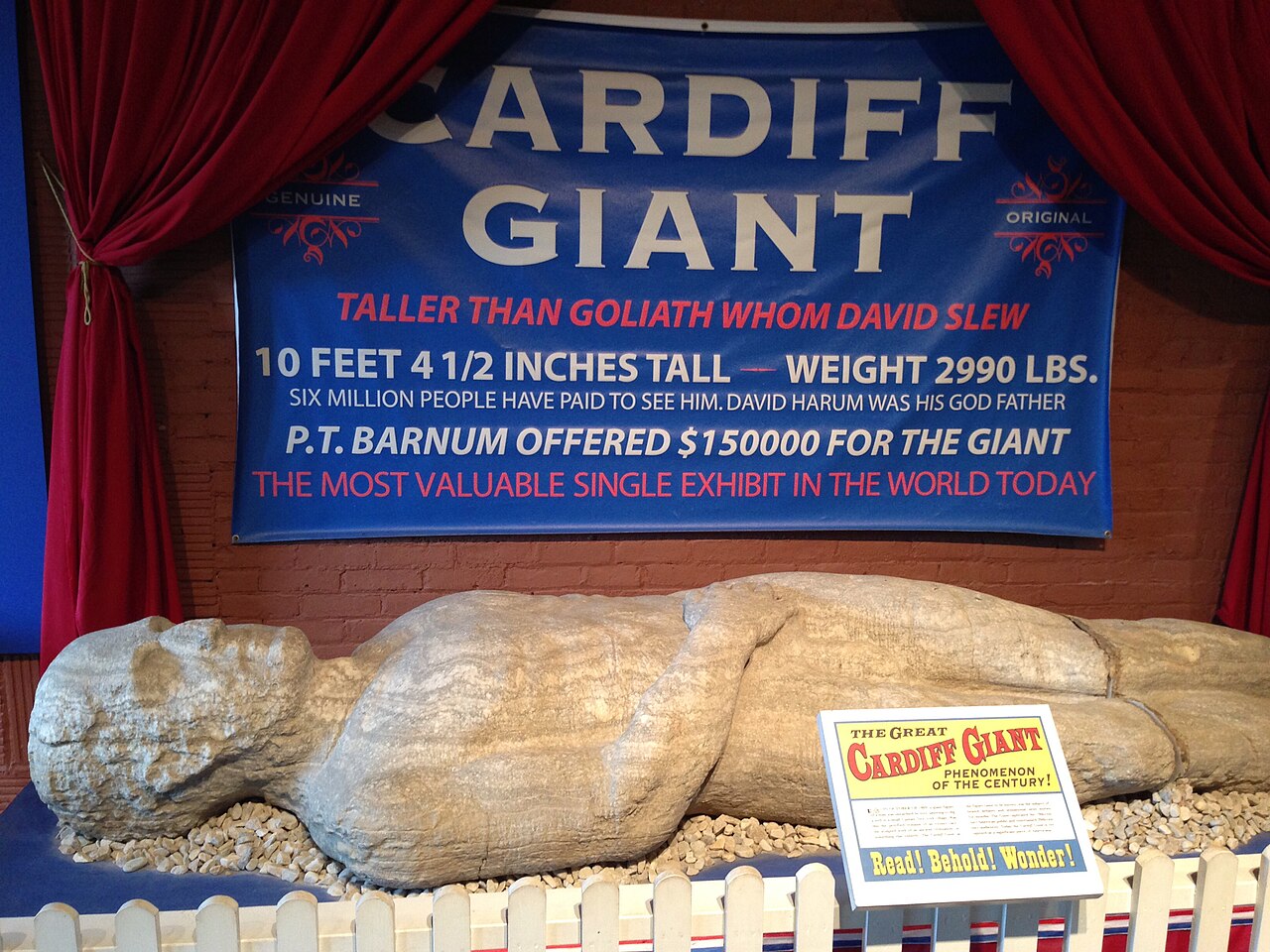
On October 16, 1869, two men digging a well on William Newell’s farm in Cardiff, New York, struck something hard. It was a foot. Then a leg. Then an entire stone man about 10 feet tall, lying on his side as if he had died in his sleep. Within days, Newell had pitched a tent and was charging 50 cents a look.
Visitors flocked in, and so did theories. Some declared it a petrified giant, proof of the giants mentioned in the Book of Genesis. Others thought it was an ancient statue. It was neither. The giant was the brainchild of George Hull, a New York tobacconist and skeptic who had argued with a Methodist preacher about whether giants once walked the earth. Hull had a block of gypsum quarried in Fort Dodge, Iowa, carved into a man in Chicago and quietly buried on Newell’s farm, which belonged to his relative.
P.T. Barnum offered $50,000 to lease the giant. When he was turned down, he simply had his own copy made and displayed it in New York as the “real” one. The two giants competed for crowds until the hoax unraveled and Hull confessed. The original now lies in Cooperstown, New York, still drawing visitors who know exactly what it is.
4The Mechanical Turk
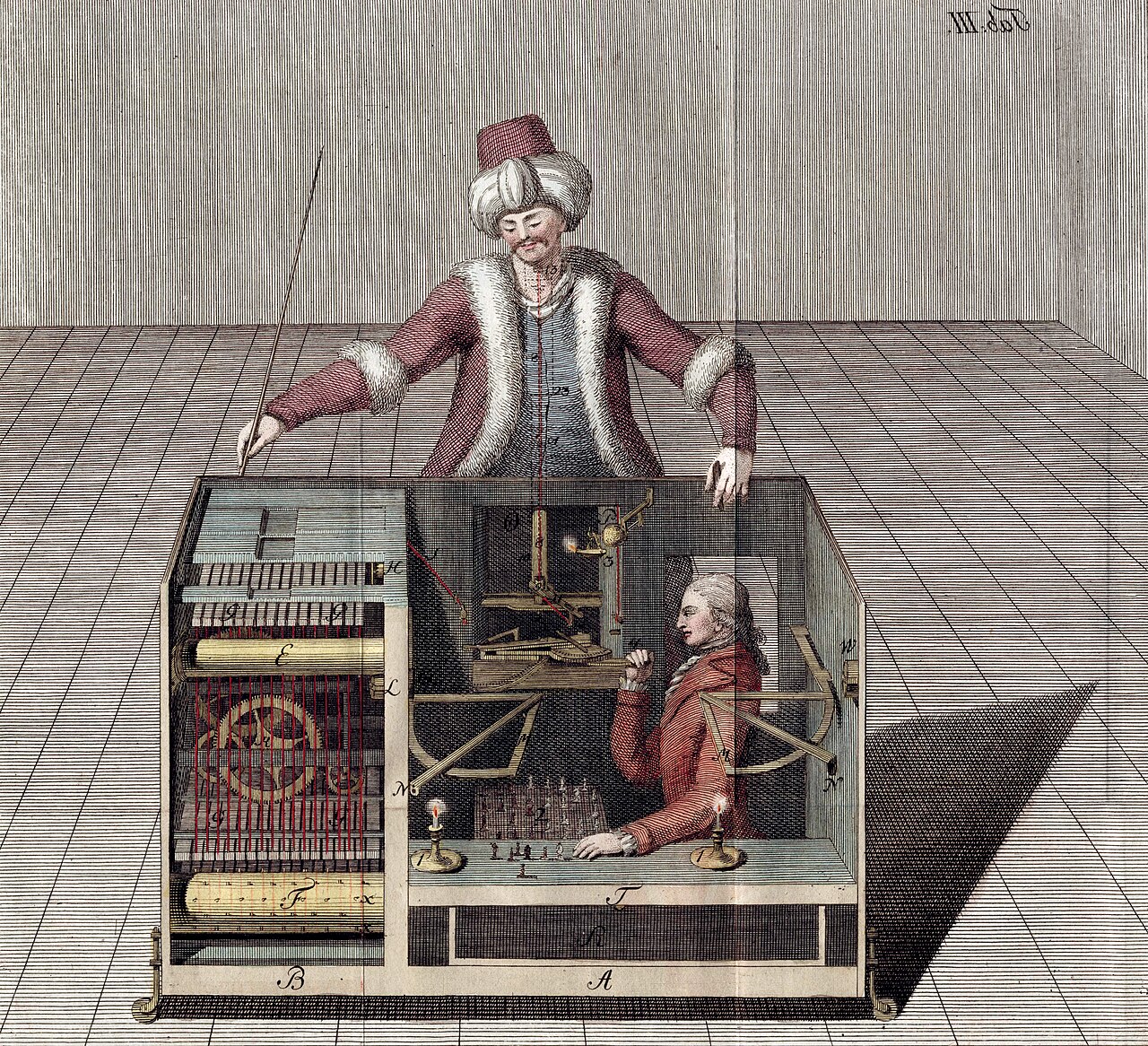
In 1770, inventor Wolfgang von Kempelen unveiled a marvel at the Habsburg court of Empress Maria Theresa in Vienna: a life-size figure in Ottoman-style robes, seated behind a wooden cabinet, that could play chess against human opponents. And it won. Often.
Before each show, the presenter opened the cabinet doors one at a time to reveal clockwork gears, convincing audiences there was no room for a person. There was. A skilled chess player hid inside, shifting on a sliding seat to stay out of view, following the game through magnets under the board and moving the Turk’s arm with levers. For decades, the Turk toured Europe and the Americas, and it is reported to have played opponents including Napoleon Bonaparte and Benjamin Franklin.
Plenty of people suspected a trick, and writers including Edgar Allan Poe published essays trying to explain it. But the full secret wasn’t revealed in print until the late 1850s, after the Turk was destroyed in a fire in Philadelphia in 1854. It was an illusion rather than a thinking machine, but it got people imagining what real thinking machines might someday do.
3The Surgeon’s Photograph of the Loch Ness Monster
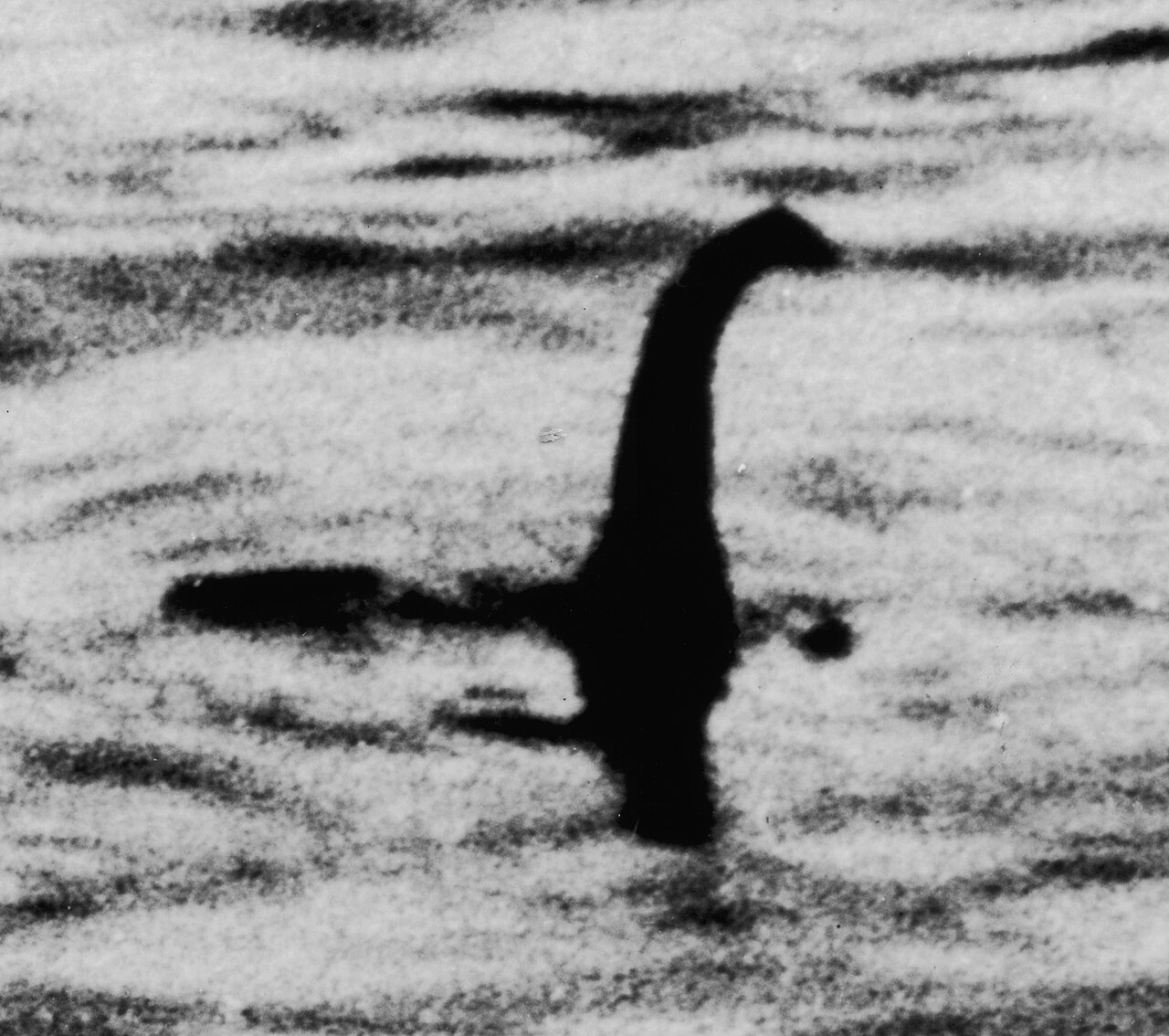
For 60 years, it was the most famous evidence that the Loch Ness Monster existed: a grainy black-and-white photo of a small head and long, curving neck rising from the water. The Daily Mail published it on April 21, 1934. Because it was credited to Robert Kenneth Wilson, a respected London gynecologist, it carried an air of credibility.
The real story began with a grudge. In late 1933, the Daily Mail had hired big-game hunter Marmaduke Wetherell to find Nessie. He announced the discovery of huge footprints on the shore, which analysis showed had been made with a hippopotamus foot, likely a hippo-foot umbrella stand used by a prankster. The paper publicly embarrassed Wetherell, and he apparently wanted revenge.
According to Wetherell’s stepson, Christian Spurling, who admitted his role late in life, the monster in the famous photo was a toy submarine bought from Woolworths, fitted with a head and neck sculpted from wood putty. Wilson was reportedly recruited to front the picture because a doctor’s name would make it believable. The confession was made public in 1994, and the photo’s days as serious evidence were over.
2The Cottingley Fairies
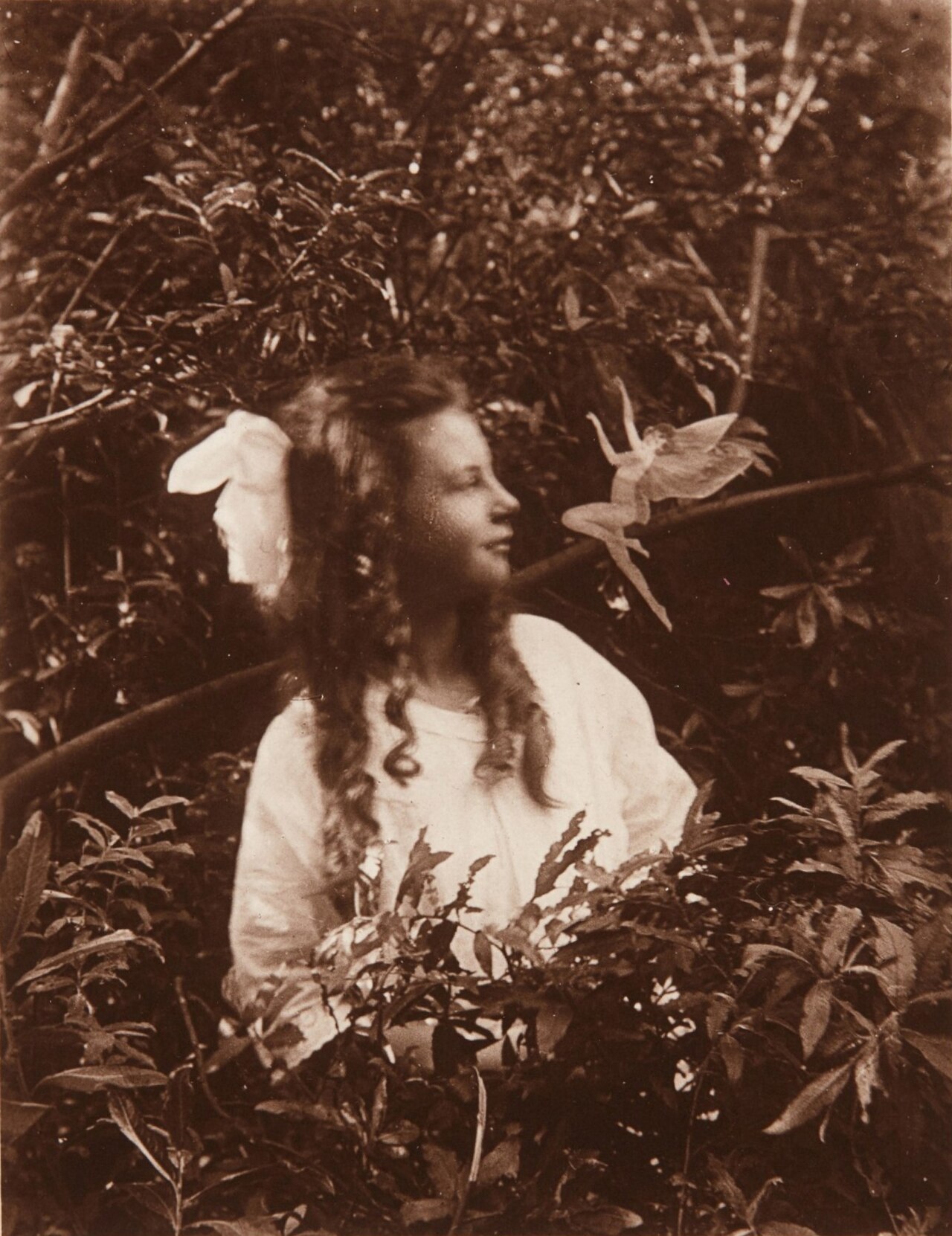
In the summer of 1917, two cousins in the Yorkshire village of Cottingley, 16-year-old Elsie Wright and 9-year-old Frances Griffiths, borrowed Elsie’s father’s camera and came back from the stream at the bottom of the garden with proof of fairies. The photo showed Frances gazing toward the lens while tiny winged figures danced in front of her.
Elsie’s father reportedly suspected cardboard cutouts. Others weren’t so sure. Through the Theosophist Edward Gardner, the photos reached Sir Arthur Conan Doyle, creator of Sherlock Holmes and a committed spiritualist. In 1920, the girls took three more pictures, and Doyle featured the fairies in the Strand Magazine’s Christmas issue that year. He later wrote a whole book defending them, The Coming of the Fairies.
The truth came out in 1983, when the cousins, by then elderly, admitted that the fairies were paper cutouts held up with hatpins, copied from illustrations in a popular children’s book, Princess Mary’s Gift Book. They later explained that once someone as famous as Conan Doyle had backed them, confessing felt impossible. Frances, though, insisted to the end of her life that the fifth photograph was genuine.
1Piltdown Man
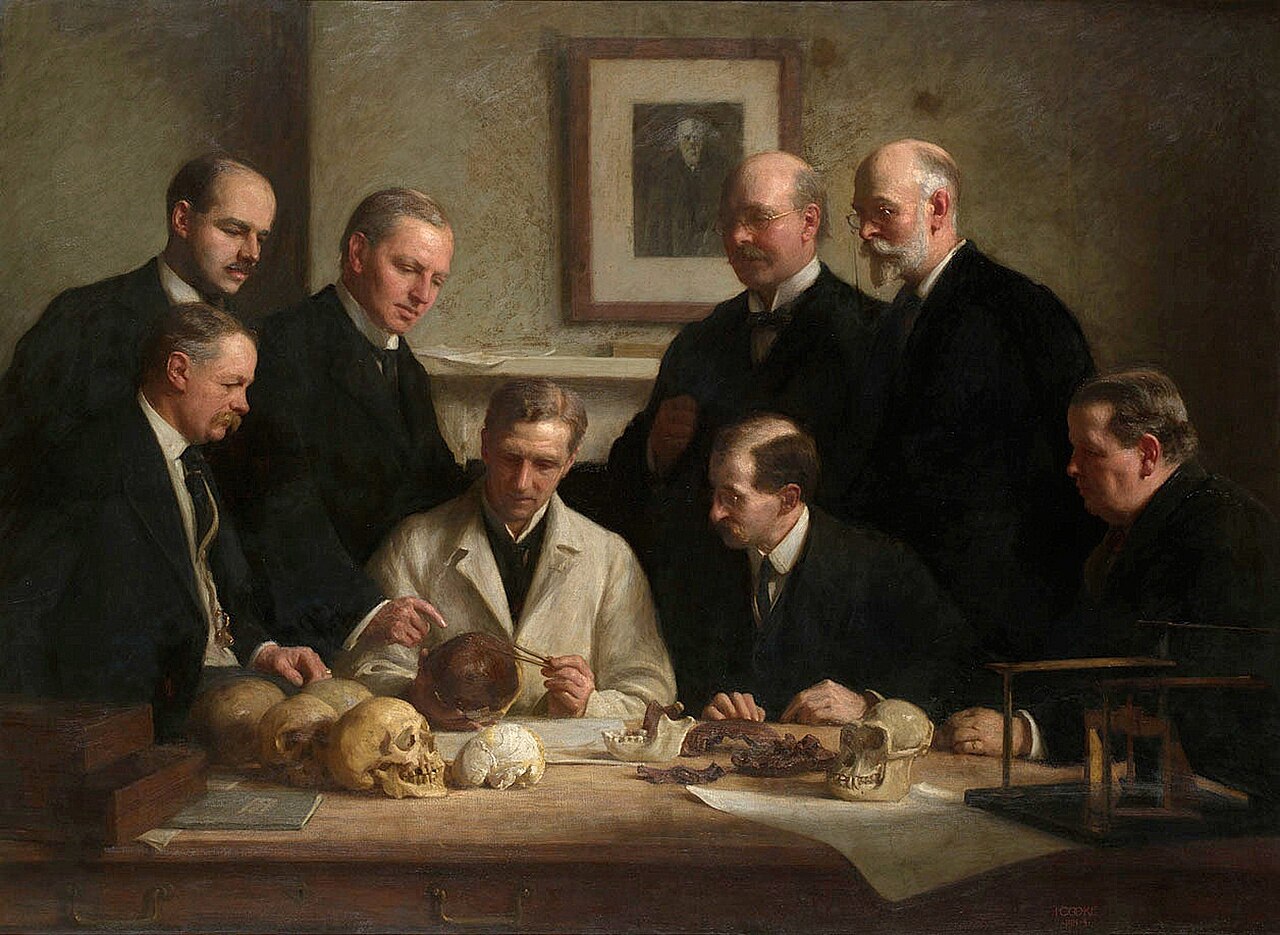
In December 1912, amateur collector Charles Dawson and Arthur Smith Woodward, keeper of geology at the British Museum’s natural history department, presented an astonishing find to the Geological Society of London. From a gravel pit near Piltdown, in East Sussex, they had pieces of a skull with a large, humanlike braincase and an apelike jaw. It looked like the long-sought missing link between apes and humans.
Piltdown Man, officially named Eoanthropus dawsoni, fit what many British scientists expected: that humans had evolved big brains first, and perhaps even that early humans had lived in England. More finds kept appearing, including teeth and a strange bone tool shaped like a cricket bat. Doubters existed, but for decades the find was treated as a key part of human evolution, even as genuine fossils from Africa and Asia stubbornly failed to fit the pattern.
In 1953, Kenneth Oakley, Joseph Weiner and Wilfrid Le Gros Clark exposed it. Fluorine testing showed the skull and jaw were of very different ages, and tiny scratches revealed the teeth had been filed to look human. The skull was from a medieval human; the jaw came from an orangutan. Everything had been stained to look ancient.
Why We Keep Getting Fooled
The best hoaxes don’t succeed because people are foolish. They succeed because they tell people exactly what they hope is true, whether that’s a missing link, fairies at the bottom of the garden or a monster in a Scottish lake. Experts are just as vulnerable as anyone else, and sometimes more so, because they have reputations riding on being first.
If these fakes left you craving stories that are strange but entirely genuine, try our weird history facts that sound fake but are true, or explore the ancient mysteries scientists still can’t fully explain.
Quick answers
Was the Loch Ness Monster photo fake?
Yes. The famous 1934 “surgeon’s photograph” was staged using a toy submarine fitted with a sculpted head and neck. The hoax became public in 1994, based on the account of Christian Spurling, stepson of big-game hunter Marmaduke Wetherell. The photo was credited to a London doctor to make it more convincing.
How was Piltdown Man exposed as a hoax?
In 1953, scientists Kenneth Oakley, Joseph Weiner and Wilfrid Le Gros Clark used fluorine testing to show that the Piltdown skull and jaw were of different ages. Closer inspection revealed filed teeth and artificial staining. The skull was a medieval human’s and the jaw an orangutan’s. Most researchers now blame amateur collector Charles Dawson.
Are crop circles made by humans?
The evidence overwhelmingly says yes. In 1991, Doug Bower and Dave Chorley admitted they had been making circles in southern England since the 1970s using planks, rope and a simple wire sighting device. Since then, artists and other teams have openly created far more elaborate designs, often in a single night.
Sources, further reading & photo credits
- Loch Ness — Wikipedia
- Spaghetti — Wikipedia
- Crop circle — Wikipedia
- Hitler Diaries — Wikipedia
- Fiji mermaid — Wikipedia
- Great Moon Hoax — Wikipedia
- Cardiff Giant — Wikipedia
- Mechanical Turk — Wikipedia
- Loch Ness Monster — Wikipedia
- Cottingley Fairies — Wikipedia
- Piltdown Man — Wikipedia
Cover image: Eusebius · CC BY 3.0 · via Wikimedia Commons. Photos throughout this list are sourced from Wikimedia Commons under the licenses noted in each caption.