
10 Weird History Facts That Sound Fake (But Are Completely True)

History is supposed to be the boring subject. Dates, treaties, kings with Roman numerals. Then you learn that a pope once put a corpse on trial, or that a wave of molasses tore through Boston, and suddenly the past looks a lot stranger than fiction. Some of the best stories never made it into the textbooks at all.
These are the weird history facts that sound fake but hold up to scrutiny. We’ve counted down 10 favorites, from a poet’s unusual pet to a fact about woolly mammoths that may permanently scramble your sense of time. Where a story leans on legend, we’ll say so. Everything else is documented, odd and completely real.
10Lord Byron Kept a Bear at Cambridge
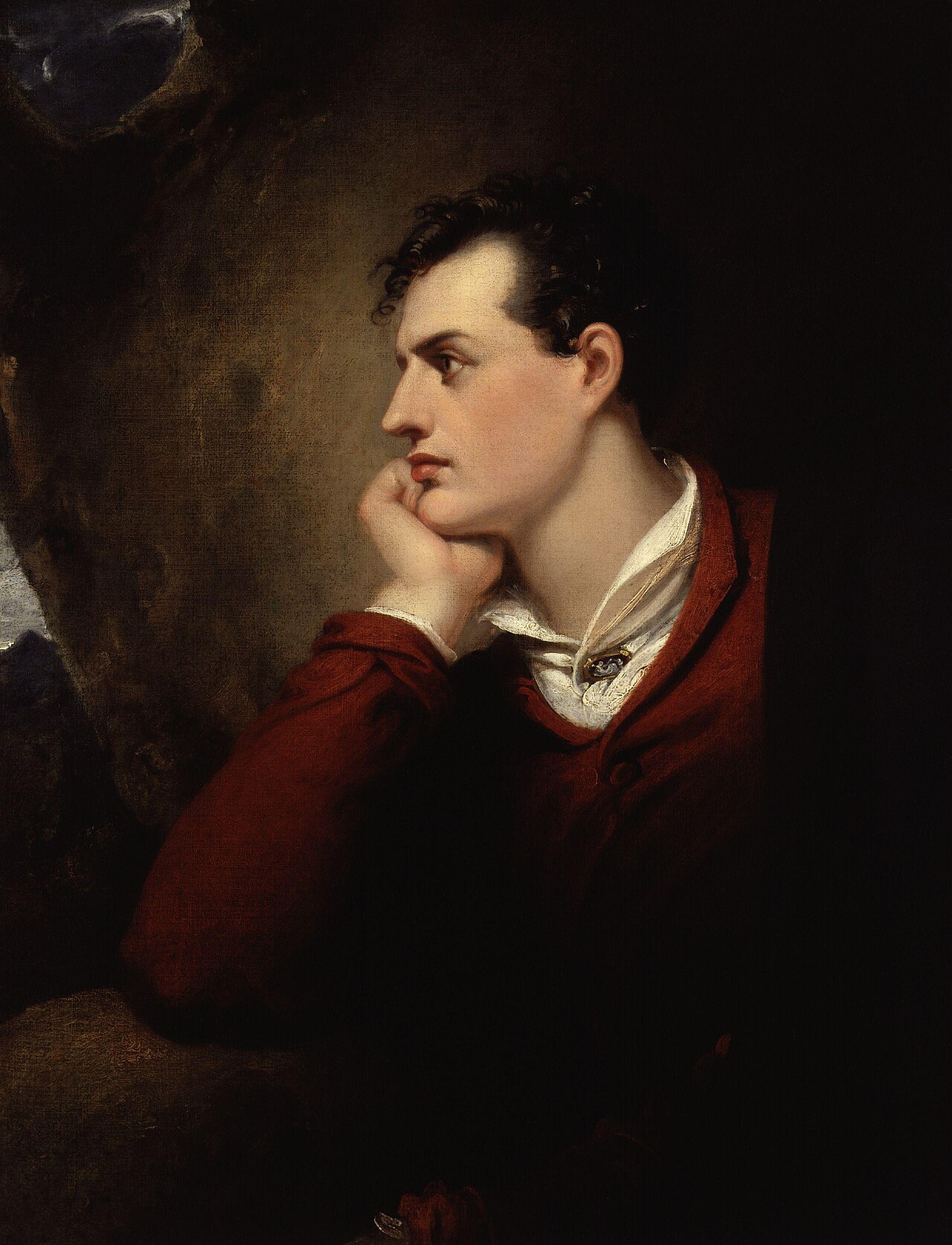
When Lord Byron arrived at Trinity College, Cambridge, in 1805, he couldn’t bring his beloved dog. College rules banned dogs. The rules, however, said nothing about bears, and the young poet was not the type to let a loophole go to waste.
By 1807 Byron had acquired a tame bear and kept it in Cambridge, and popular accounts have him walking it around like an oversized, alarming dog. When people asked what he planned to do with it, he replied that it “should sit for a fellowship,” as he gleefully reported in a letter that October. In other words, he joked that his bear was as qualified as the college’s academics to join their ranks.
The bear was part of a lifelong habit. Byron later kept an assortment of animals at Newstead Abbey, his family estate in Nottinghamshire, and his Newfoundland dog, Boatswain, got a monument there that is famously grander than Byron’s own grave. Wherever he lived, the poet surrounded himself with creatures that most people would have considered completely unsuitable house guests, and he seemed to enjoy the reaction as much as the animals.
9Ketchup Was Once Sold as Medicine

Feeling unwell in the 1830s? Try tomatoes. In 1834, a physician named Dr. John Cook Bennett, then working in Ohio, announced that tomatoes could treat diarrhea, indigestion and headaches, and might even help ward off cholera. He promoted tomato ketchup recipes as a way to get the benefits, and Americans, many of whom had long been wary of tomatoes, started paying attention.
Entrepreneurs smelled an opportunity. By 1837, a Cleveland merchant named Archibald Miles was selling “Dr. Miles’ Compound Extract of Tomato,” pills claimed to treat everything from indigestion to far more serious diseases. A rival, Dr. Guy R. Phelps, sold his own tomato pills, and the two traded insults in newspaper ads while the craze spread across the country.
The punchline? By most accounts, the pills contained little or no actual tomato. They were essentially laxatives, and any benefit was likely a placebo effect. Advertising dried up after 1839, doctors began denouncing the cures and sales sank, though Phelps kept selling his pills into the early 1850s. Ketchup survived its brief career in medicine and settled permanently on the dinner table, where it has caused considerably less controversy.
8London’s Great Stink Forced Parliament to Act
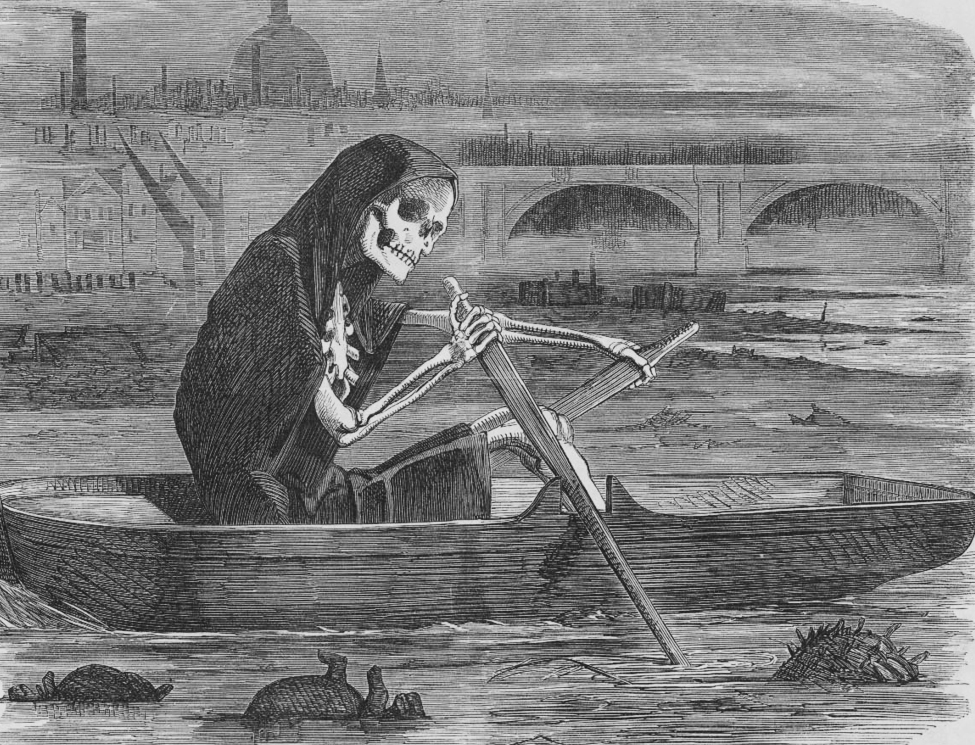
In the summer of 1858, one of the most powerful legislatures on Earth was nearly driven out of its own building by a smell. For decades, raw sewage had poured into the River Thames, and when an unusually hot summer arrived, the river began to bake. Londoners called it the Great Stink.
The Houses of Parliament sit right on the riverbank, and the stench was so overpowering that curtains were soaked in chloride of lime to mask it. Many people at the time believed in miasma theory, the idea that diseases like cholera spread through foul air, so lawmakers didn’t just find the stink unpleasant. They feared it was deadly. Suddenly motivated, Parliament rushed through legislation in a matter of weeks to pay for a new sewer system.
The man for the job was engineer Joseph Bazalgette. His network included about 82 miles of large intercepting sewers and some 1,100 miles of street sewers, carrying waste east and away from the city center. Much of it still works today. The irony is that miasma theory was wrong: cholera spreads through contaminated water, not bad air. Parliament got the right fix for the wrong reason.
7A Pope Put a Corpse on Trial
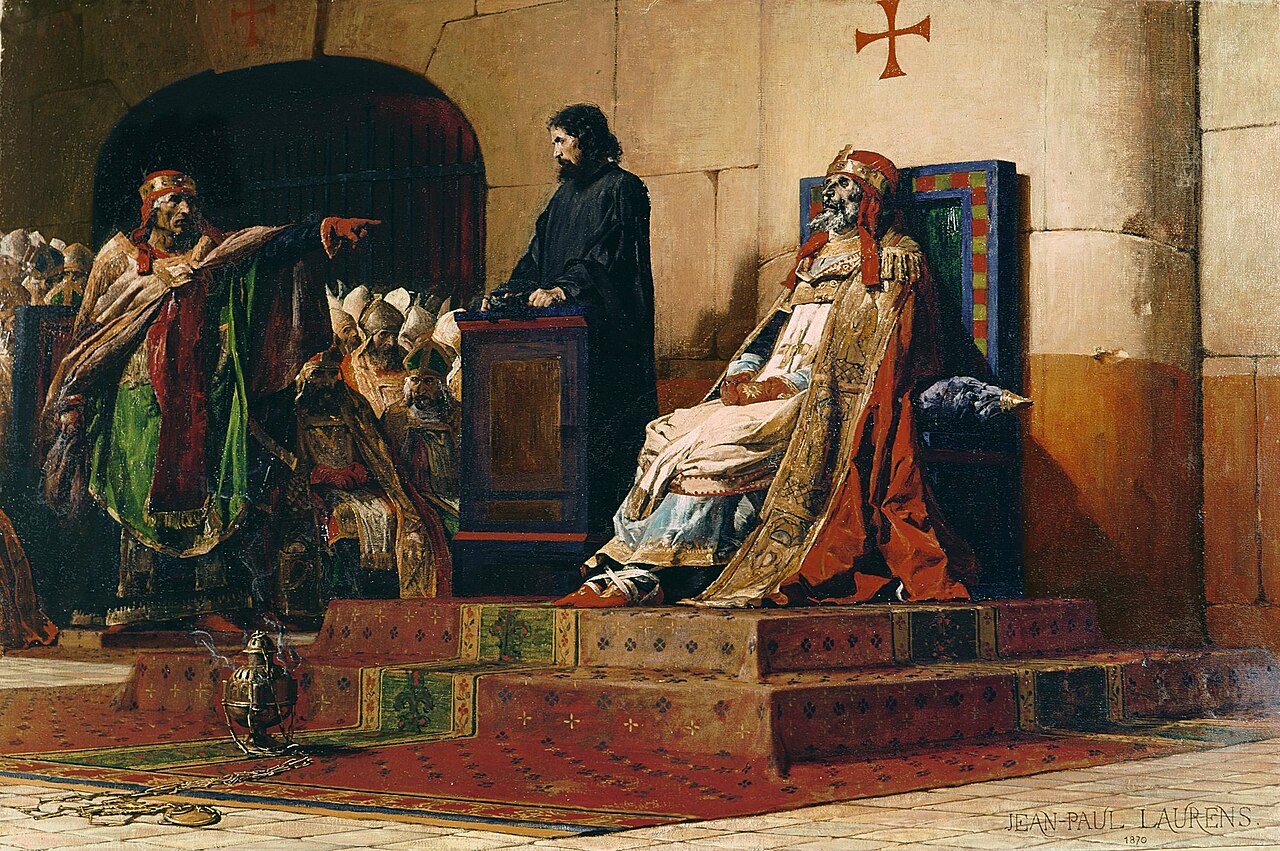
In January 897, Pope Stephen VI put his predecessor on trial. The defendant, Pope Formosus, had been dead for roughly nine months. That didn’t stop Stephen from having the body exhumed, dressed in papal vestments and propped up on a throne to face the charges.
A deacon was appointed to answer on the corpse’s behalf, which must have been one of the worst jobs in Church history. Formosus was accused of perjury and of improperly becoming pope while serving as a bishop elsewhere. Unsurprisingly, he lost. The synod declared his papacy invalid, stripped the body of its vestments, cut off the three fingers of the right hand used for blessings and eventually threw the remains into the Tiber River.
The trial grew out of the brutal politics of the era, when rival Italian factions fought for control of the papacy. It backfired spectacularly. Public outrage grew, and later that same year Stephen VI was deposed, imprisoned and strangled. Later popes overturned the verdict, and according to tradition, Formosus’s body was recovered from the river and reburied in St. Peter’s Basilica.
6Oxford University Is Older Than the Aztec Empire
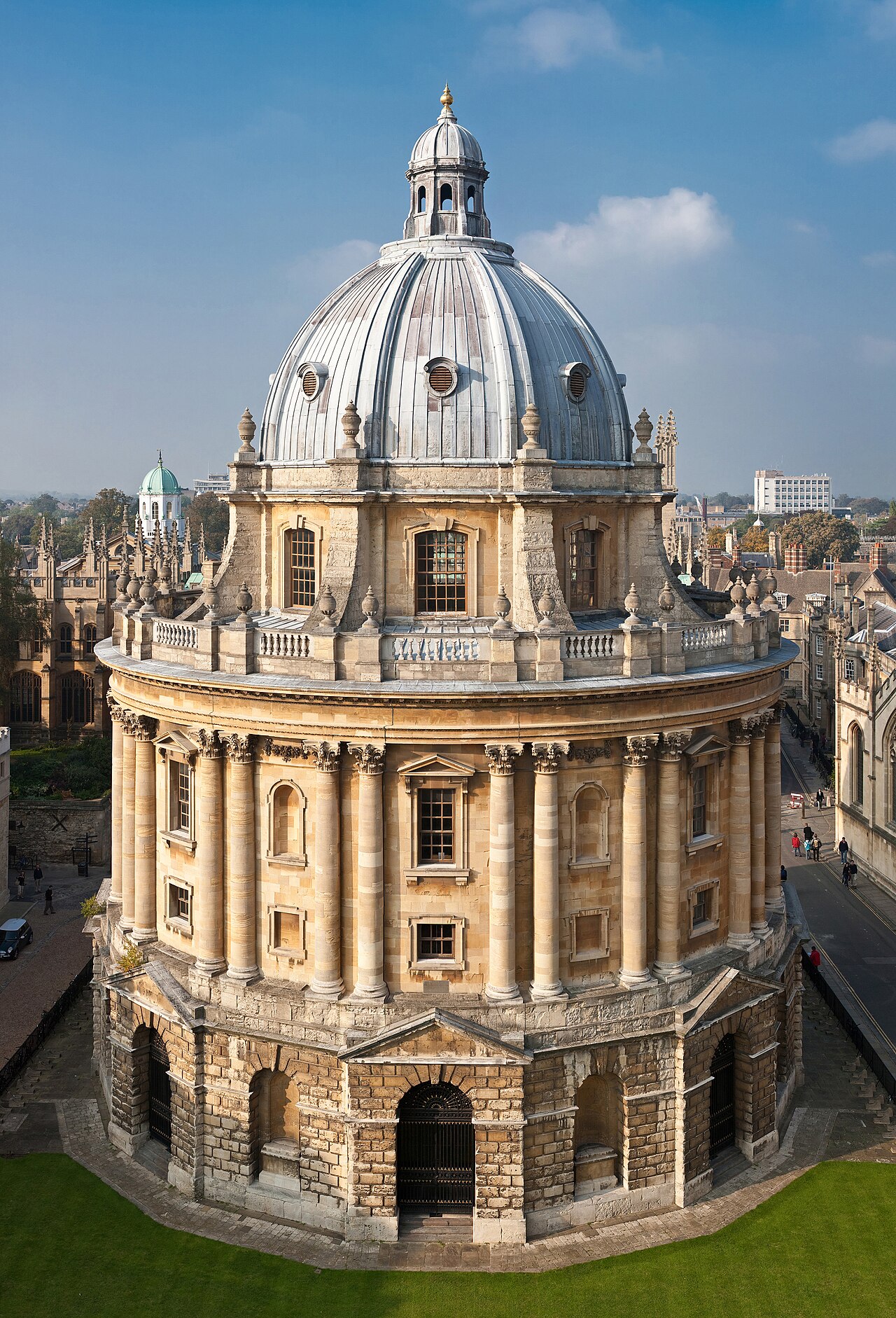
Here’s a timeline that feels wrong. Teaching was already taking place at Oxford by 1096. The Aztec capital, Tenochtitlan, wasn’t founded until around 1325, and the Triple Alliance that formed the Aztec Empire came together in 1428. By then, Oxford had been handing out lessons for more than three centuries.
Oxford has no neat founding date, which is part of its charm. Scholars were gathering there by the late 11th century, and the town grew quickly as a center of learning after 1167, when King Henry II barred English students from attending the University of Paris. By the 13th century it had colleges, including University College, Balliol and Merton, all of which still exist today.
The fact sounds fake because we tend to file the Aztecs under “ancient” and Oxford under “modern.” In reality, the Aztec Empire was a relatively late arrival on the world stage, rising to power in the 15th century and falling to Spanish conquistadors and their Indigenous allies in 1521. Oxford’s students were debating theology for generations before the empire existed, and they were still at it long after it fell.
5Abraham Lincoln Is in the Wrestling Hall of Fame
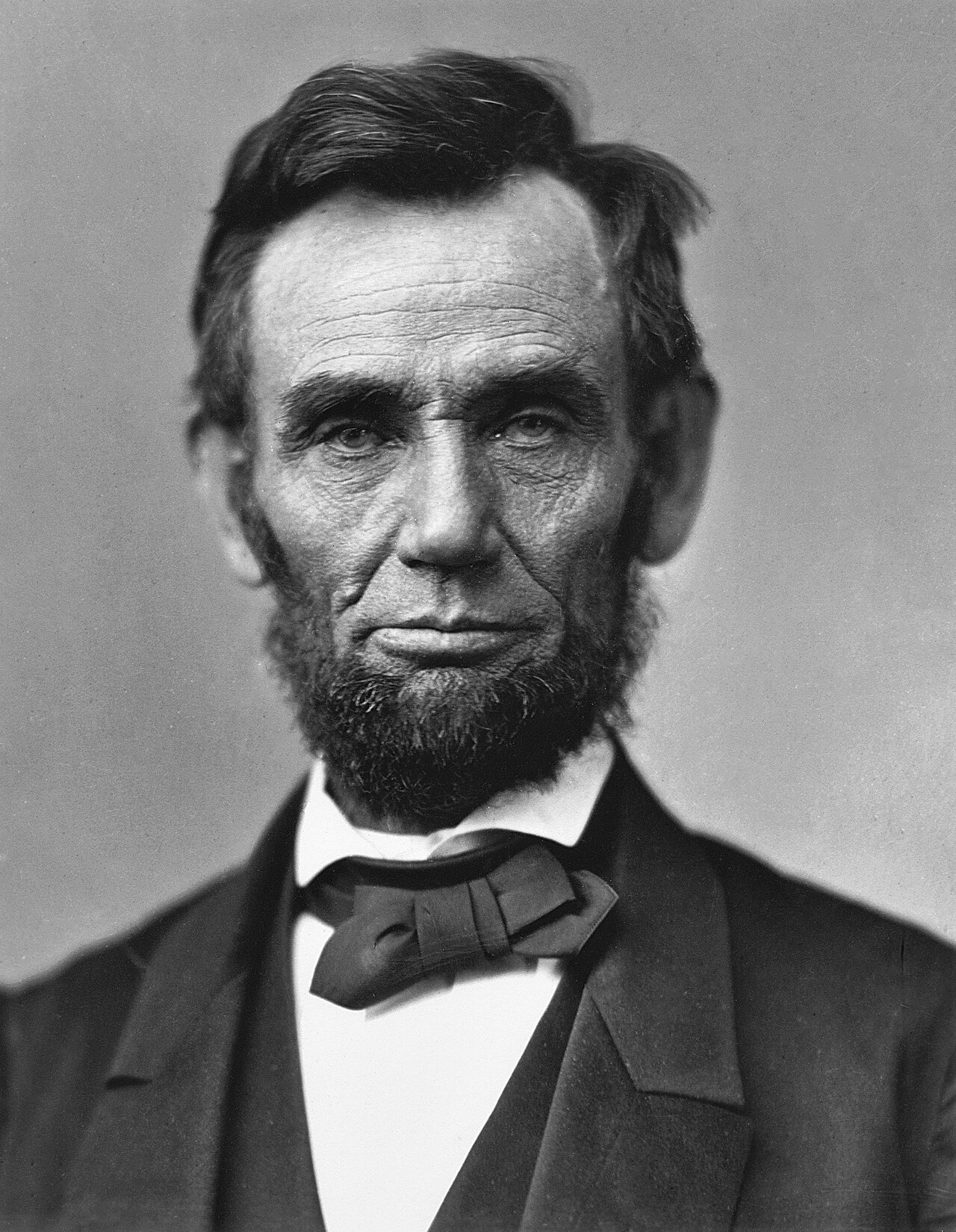
Before he was the 16th president, Abraham Lincoln was a 6-foot-4 frontier strongman who could more than hold his own in a wrestling match. In 1992, the National Wrestling Hall of Fame in Stillwater, Oklahoma, honored him as an Outstanding American, a tribute to the grappling reputation he built as a young man in Illinois.
The most famous bout came around 1831 in New Salem, Illinois, where Lincoln took on Jack Armstrong, the leader of a rowdy local gang known as the Clary’s Grove Boys. Accounts of the match differ (some say Lincoln won, others call it a draw), but they agree it earned him the respect of the locals. That standing came in handy when he later entered politics.
Lincoln’s record is the stuff of legend, and legend is the right word. Popular accounts credit him with roughly 300 matches and only one loss, reportedly during his militia service in the 1832 Black Hawk War. Those numbers are hard to verify. But the image of Honest Abe as a tough frontier wrestler, in an era when matches were rough and the rules were loose, is well grounded in history.
4Boston Was Hit by a Wave of Molasses
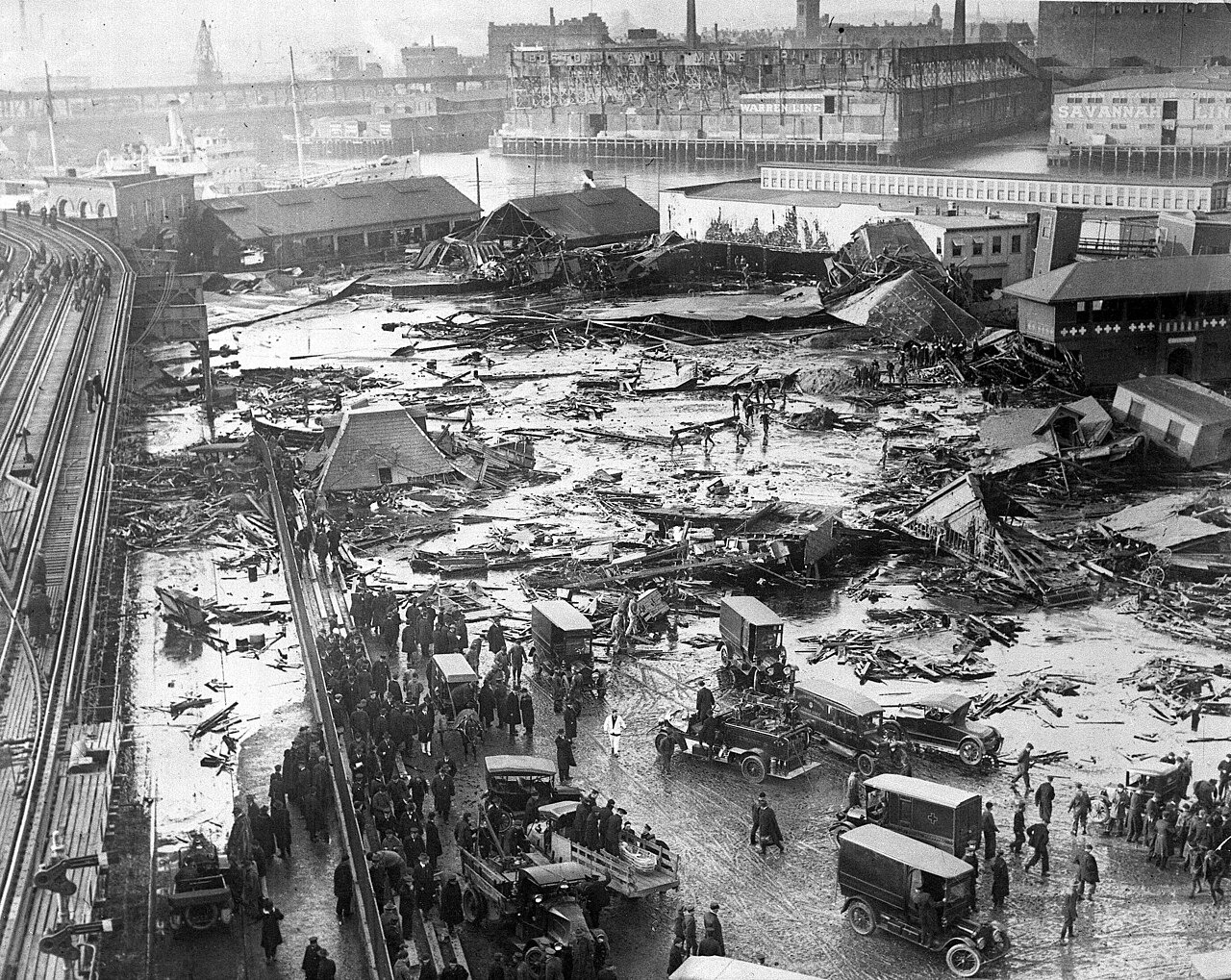
On January 15, 1919, a giant steel storage tank in Boston’s North End burst open and released roughly 2.3 million gallons of molasses. It sounds like a cartoon. It was a genuine disaster. A wave of thick, sticky syrup estimated at up to 25 feet high surged through the neighborhood at around 35 miles per hour.
The wave knocked buildings off their foundations, damaged an elevated railway and trapped people and horses in the sludge. Twenty-one people were killed and about 150 injured. Rescuers struggled to reach victims because the molasses was so dense, and as it cooled in the winter air it grew even thicker. The cleanup took weeks, and the harbor reportedly stayed brown for months.
The tank belonged to the Purity Distilling Company, a subsidiary of United States Industrial Alcohol, and it had leaked from the time it was first filled. Locals reportedly collected the drips. A lengthy court case concluded that the tank had been poorly built and inadequately tested, and the company paid hundreds of thousands of dollars in settlements. The disaster helped push Massachusetts toward stricter oversight of engineering and construction.
3The Dancing Plague of 1518
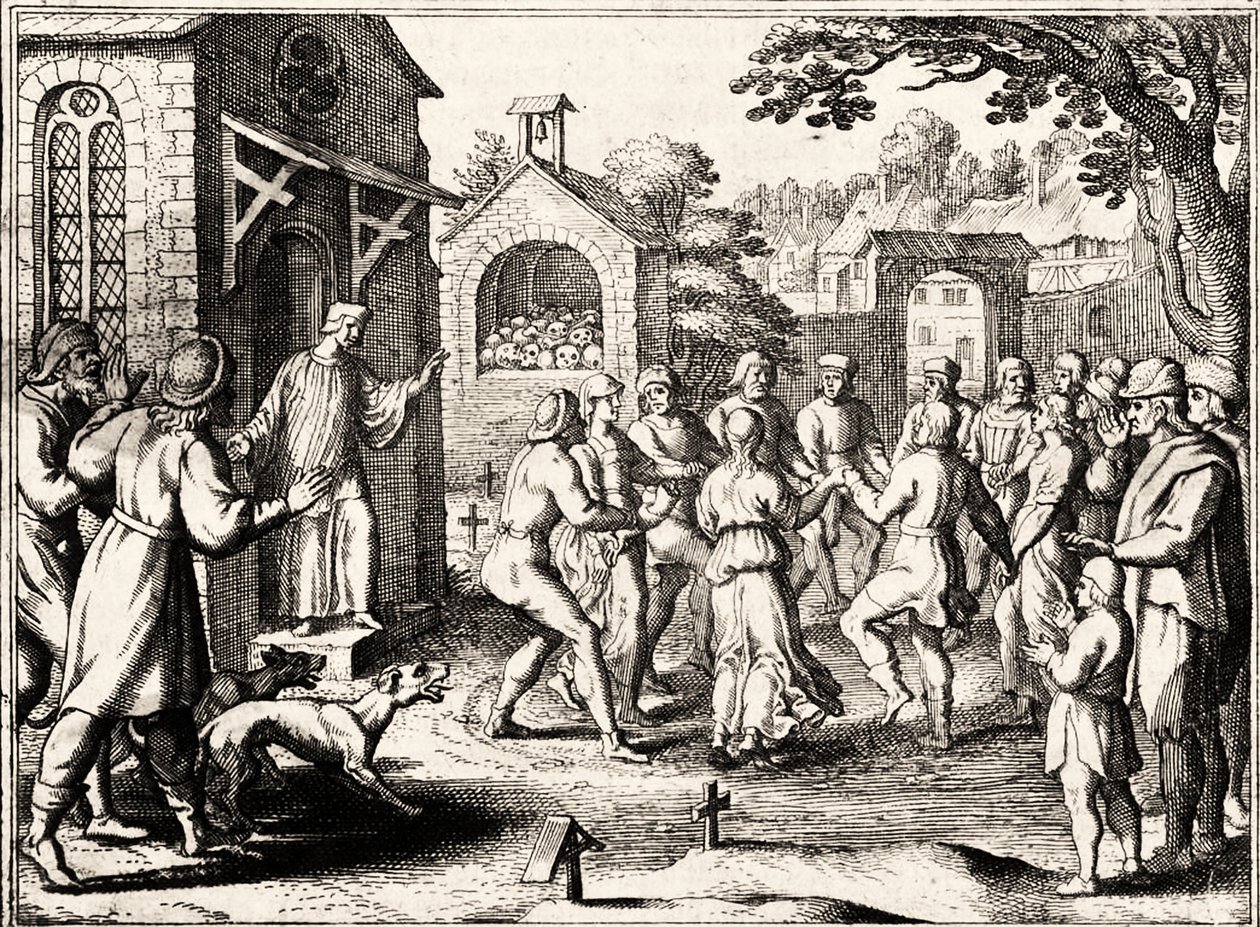
In July 1518, a woman in Strasbourg, named in several chronicles as Frau Troffea, stepped into the street and began to dance. She didn’t stop. She danced for days, and soon others joined her, until by some estimates as many as 400 people were dancing uncontrollably through the city.
City authorities, advised by physicians, came up with a remedy that sounds like a joke: more dancing. Believing the afflicted needed to dance it out, they reportedly cleared guildhalls, built a stage and even hired musicians to keep people moving. It didn’t work. Officials then reversed course, banning public music and dancing and sending sufferers to a shrine of St. Vitus to pray for relief. By September, the outbreak had faded.
Some later accounts claim dozens of people died from exhaustion, strokes or heart attacks, but historians caution that contemporary records don’t clearly confirm any deaths. The cause is still debated. One idea blames ergot, a hallucinogenic fungus that grows on rye, but critics note that ergot poisoning would make days of dancing nearly impossible. Historian John Waller argues for mass psychogenic illness, triggered by famine, disease and intense religious fear.
2Australia Lost the Great Emu War
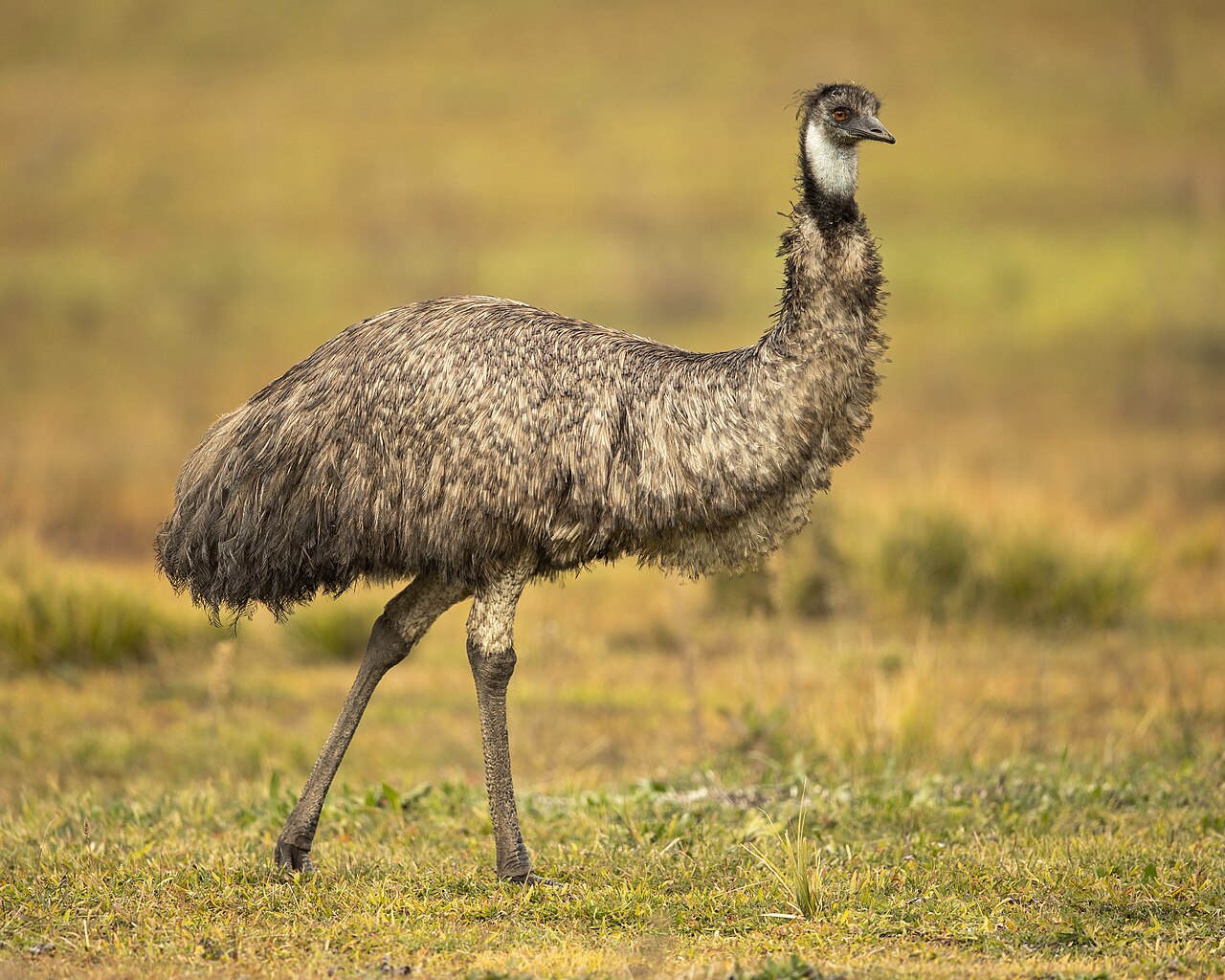
In late 1932, the Australian military went to war against birds, and the birds won. After World War I, thousands of veterans had been settled on farmland in Western Australia’s wheat belt. Then an estimated 20,000 emus migrated into the area, trampling and eating crops already hit by collapsing wheat prices.
Desperate farmers asked for machine guns. Defense Minister Sir George Pearce agreed, and in November 1932 Major G.P.W. Meredith of the Royal Australian Artillery arrived with two soldiers, two Lewis guns and 10,000 rounds of ammunition. It went badly. The emus scattered into small groups the moment shooting started, and during one ambush near a dam, a gun jammed after only about a dozen birds had been killed.
The troops were withdrawn after about a week amid bad press, sent back, then withdrawn for good in December. Meredith’s final report claimed 986 kills using 9,860 rounds, about ten bullets per bird, though historians consider the figures unreliable. He reportedly compared the emus to tanks for their ability to absorb machine-gun fire. Farmers went back to a bounty system, which proved far more effective.
1Woolly Mammoths Were Alive When the Great Pyramid Was Built
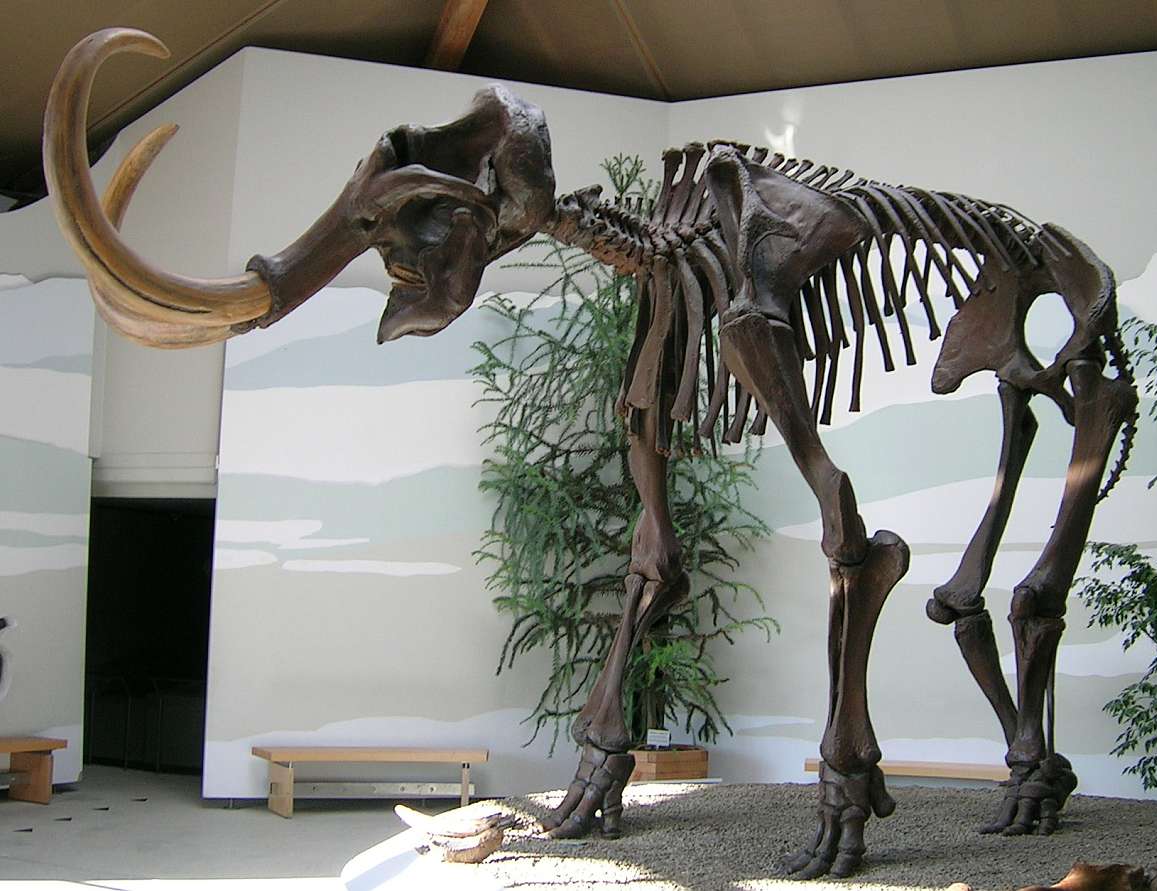
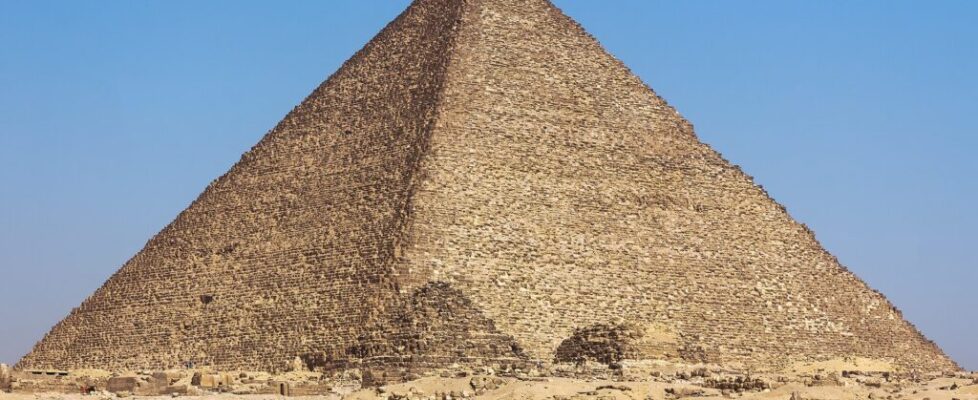
When Egyptian workers were hauling limestone blocks into place on the Great Pyramid of Giza around 2560 BC, woolly mammoths were still alive. Not in Egypt, of course. The last of them lived on Wrangel Island, a remote stretch of tundra in the Arctic Ocean off northeastern Siberia, where they survived until roughly 4,000 years ago.
Mainland mammoths had disappeared thousands of years earlier, as the climate warmed after the last Ice Age and humans spread across their range. But rising seas cut Wrangel Island off from the mainland around 10,000 years ago, stranding a small herd. A 2024 genetic study suggested the population may have started from as few as eight animals and grew to a few hundred, hanging on for about 6,000 years despite heavy inbreeding.
Why they finally vanished is still debated. The same study found no strong evidence that inbreeding alone doomed them, suggesting a sudden event such as disease or extreme weather may have finished off the last survivors. Either way, the overlap is real. The pyramid was already centuries old when the last mammoth died, which makes the Ice Age feel a lot closer than it seems.
History Is Weirder Than Fiction
If there’s a lesson here, it’s that the past wasn’t a parade of serious people doing serious things. It was full of odd decisions, strange coincidences and timelines that overlap in ways your history teacher probably never mentioned. The people involved weren’t so different from us; they just had fewer rules, worse plumbing and, occasionally, a bear.
Hungry for more? Explore the bizarre medical treatments from history that make tomato pills look sensible, or meet the animals that went extinct surprisingly recently. Either way, you’ll walk away with a few more facts that nobody at your next dinner party will believe.
Quick answers
Were woolly mammoths alive when the pyramids were built?
Yes. A small population of woolly mammoths survived on Wrangel Island in the Arctic Ocean until roughly 4,000 years ago. The Great Pyramid of Giza was built around 2560 BC, so mammoths and pyramid-building Egyptians overlapped by several centuries, even though they lived thousands of miles apart.
What was the Great Emu War?
The Great Emu War was a 1932 military operation in Western Australia in which soldiers armed with two Lewis machine guns tried to cull an estimated 20,000 emus damaging wheat crops. The birds proved hard to hit, the effort was abandoned within weeks, and it is often remembered as a rare war humans lost to animals.
How many people died in the Boston Molasses Flood?
The Great Molasses Flood of January 15, 1919, killed 21 people and injured about 150 in Boston’s North End. A storage tank holding roughly 2.3 million gallons of molasses burst, sending a wave estimated at up to 25 feet high through the neighborhood. A court later found the tank had been poorly built and inadequately tested.
Sources, further reading & photo credits
- Great Pyramid of Giza — Wikipedia
- Lord Byron — Wikipedia
- Ketchup — Wikipedia
- Great Stink — Wikipedia
- Cadaver Synod — Wikipedia
- Radcliffe Camera — Wikipedia
- Abraham Lincoln — Wikipedia
- Great Molasses Flood — Wikipedia
- Dancing plague of 1518 — Wikipedia
- Emu — Wikipedia
- Woolly mammoth — Wikipedia
Cover image: Douwe C. van der Zee · CC BY-SA 4.0 · via Wikimedia Commons. Photos throughout this list are sourced from Wikimedia Commons under the licenses noted in each caption.