
10 Legendary Lost Treasures Still Waiting to Be Found

Every so often, a treasure everyone assumed was gone for good turns up. In November 2025, the Florentine Diamond, a 137-carat yellow stone that vanished after the Habsburg monarchy fell in 1918, was revealed to have spent decades in a Canadian bank vault. Moments like that are why treasure hunters never quite give up.
The 10 legendary lost treasures below are still missing and still waiting to be found. Some were stolen, some were swallowed by tides or wars, and at least one may never have existed. Each has inspired decades, even centuries, of searching. We’ve ranked them by how much they’d thrill historians, and stun the art world, if they ever resurfaced.
10The Lost Dutchman’s Gold Mine

Somewhere in Arizona’s Superstition Mountains, east of Phoenix, there is supposedly a gold mine so rich that its discoverer took the secret to his grave. That man was Jacob Waltz, a German immigrant (hence “Dutchman,” from Deutsch) who died in Phoenix in October 1891. According to legend, he described the mine’s location on his deathbed to Julia Thomas, a neighbor who had nursed him.
Thomas and others searched and found nothing, but the story only grew. Later versions added a Mexican family, the Peraltas, who supposedly worked the mine before being ambushed, though historians consider that part a 20th-century embellishment. In 1931, an amateur treasure hunter named Adolph Ruth vanished in the mountains while searching. His skull was found months later with two holes in it, and the legend took on a darker edge.
Skeptics point out that the Superstitions are volcanic, not the kind of geology usually associated with rich gold deposits. That hasn’t stopped thousands of people from trying, and searchers have died from heat, falls and dehydration over the decades. If you visit the area, stick to marked trails, check conditions first and carry far more water than you think you’ll need; summer temperatures are brutal.
9King John’s Crown Jewels
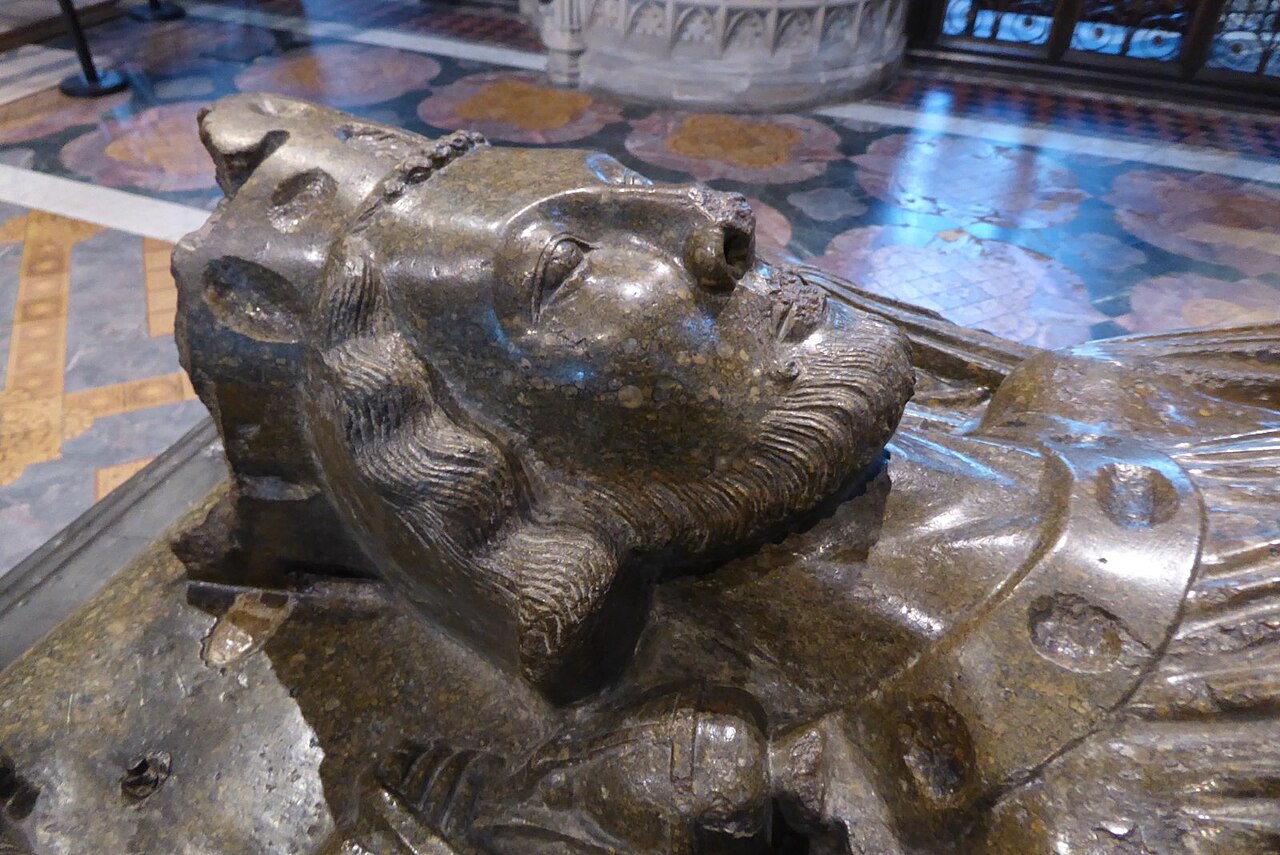
King John had a famously bad reign, and in October 1216 it got even worse. Fighting rebel barons and an invading French prince, John was traveling around The Wash, the broad tidal estuary on England’s east coast. He took a longer route. His heavy baggage train, reportedly carrying much of the royal treasure, attempted a shortcut across the estuary’s tidal flats.
The tide came in faster than expected. Chroniclers such as Roger of Wendover described wagons, horses and men swallowed by quicksand and rising water. Among the losses, according to some accounts, were crown jewels and regalia, possibly including treasures that had belonged to John’s grandmother, the Empress Matilda. Days later, on the night of October 18–19, a sick and miserable John died at Newark Castle.
Historians still argue over how much was really lost. Some think the story grew in the telling and only part of the baggage went under. Searchers have probed the area for centuries without success, and one big complication is that the coastline has changed dramatically since 1216. Land reclamation and silting mean the site of the disaster now likely lies beneath farmland, well inland from today’s shore and buried deep in silt.
8The Library of Ivan the Terrible
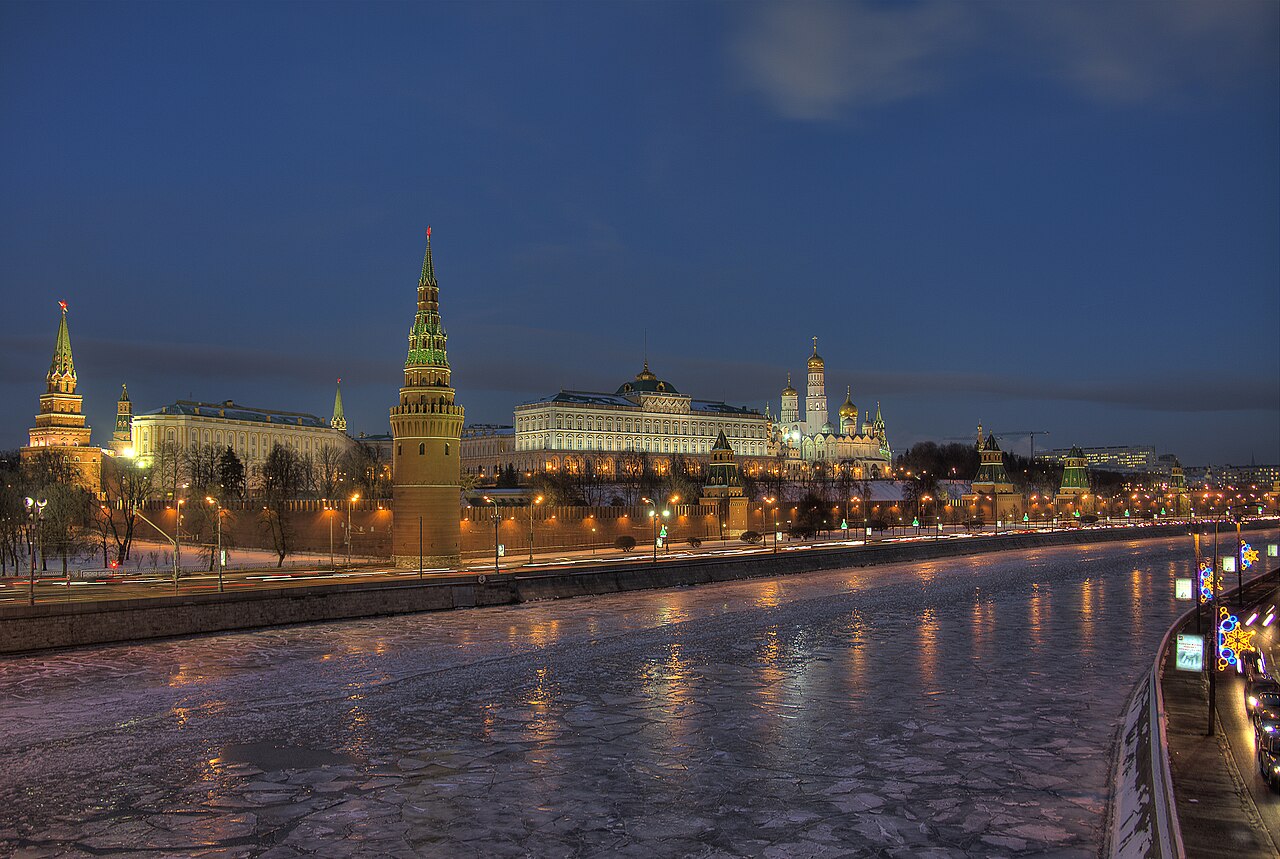
Imagine a hidden room beneath the Kremlin stacked with lost classics: Greek and Latin texts that vanished from the rest of the world centuries ago. That’s the promise of the Library of Ivan the Terrible, one of Russia’s most enduring legends.
The story goes that the collection began with Sophia Palaiologina, niece of the last Byzantine emperor, who married Grand Prince Ivan III of Moscow in 1472. She supposedly brought priceless manuscripts from Constantinople as part of her dowry, and her grandson, Ivan IV, better known as Ivan the Terrible, added to the collection. One later account claims a German Protestant pastor named Johannes Wetterman was summoned to examine a locked storeroom of old books in the Kremlin during Ivan’s reign.
Rulers and researchers have chased it ever since, from Peter the Great to the 20th-century archaeologist Ignatius Stelletsky, who devoted years to exploring tunnels beneath Moscow. They found old passages and empty chambers, but no books. Many historians now suspect the library was lost in one of Moscow’s devastating fires, or that it never existed in the form legend describes. Others aren’t ready to give up just yet.
7The Copper Scroll Treasure
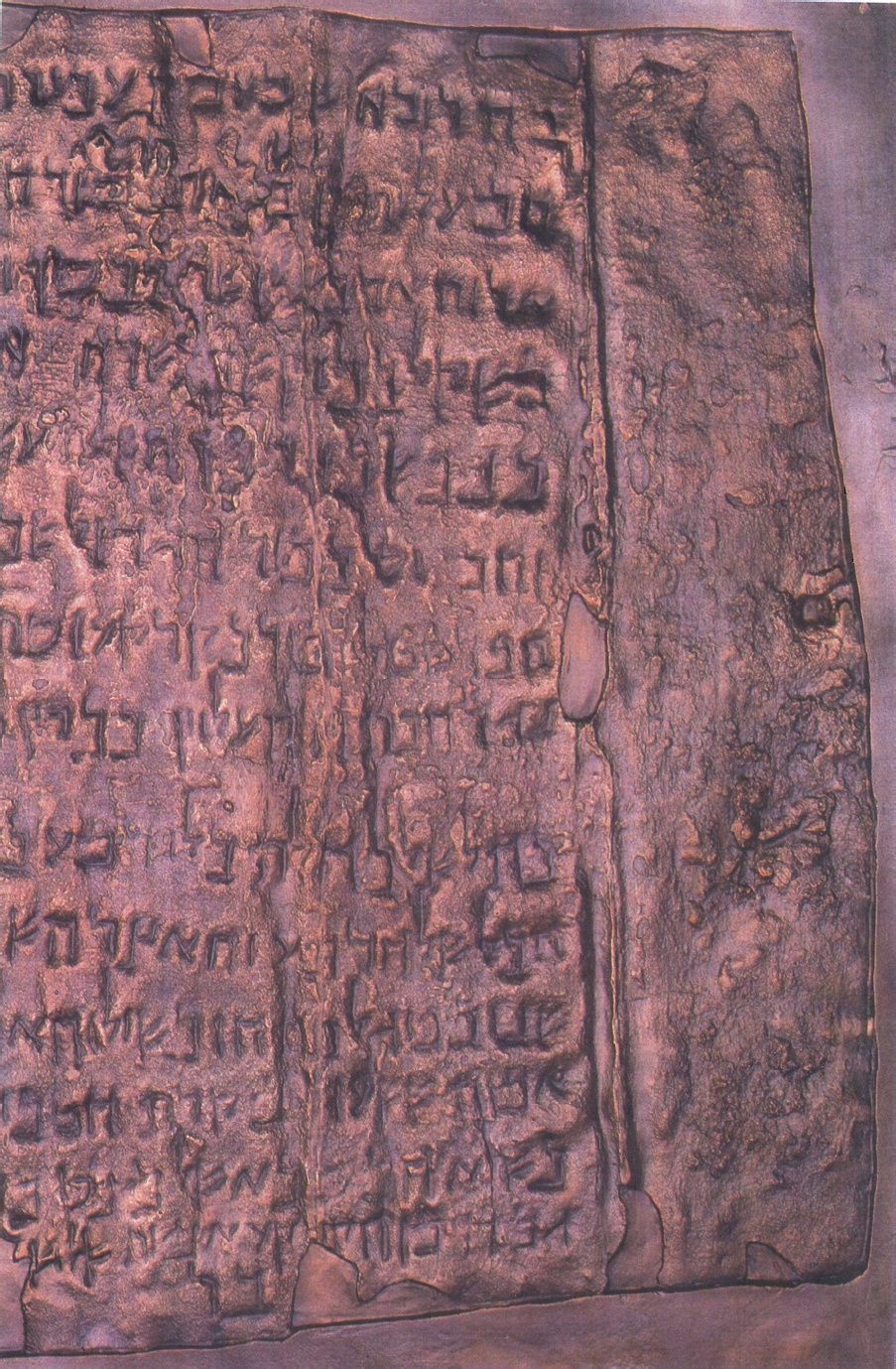
Most of the Dead Sea Scrolls are religious texts. One is a treasure list. Discovered in 1952 in a cave near Qumran, the Copper Scroll is exactly what it sounds like: a document engraved on sheets of copper, listing 64 locations where gold, silver and other valuables were supposedly hidden.
The metal had corroded so badly that it couldn’t be unrolled, so in 1955 and 1956 a team at Manchester’s College of Technology in England carefully sliced it into 23 strips. What they read was startling. In plain, matter-of-fact Hebrew, the entries describe hiding places such as cisterns, tombs and buildings, each followed by a quantity of precious metal. Taken literally, the totals add up to many tons of gold and silver.
Scholars generally date the scroll to the first century AD, and some think it records treasure from the Second Temple in Jerusalem, hidden before the Romans destroyed it in AD 70. Others suspect it’s folklore or symbolic writing. The problem is that the landmarks it names meant something 2,000 years ago and are unrecognizable now. Searchers have tried for decades, and no confirmed treasure has ever been found.
6The Honjo Masamune
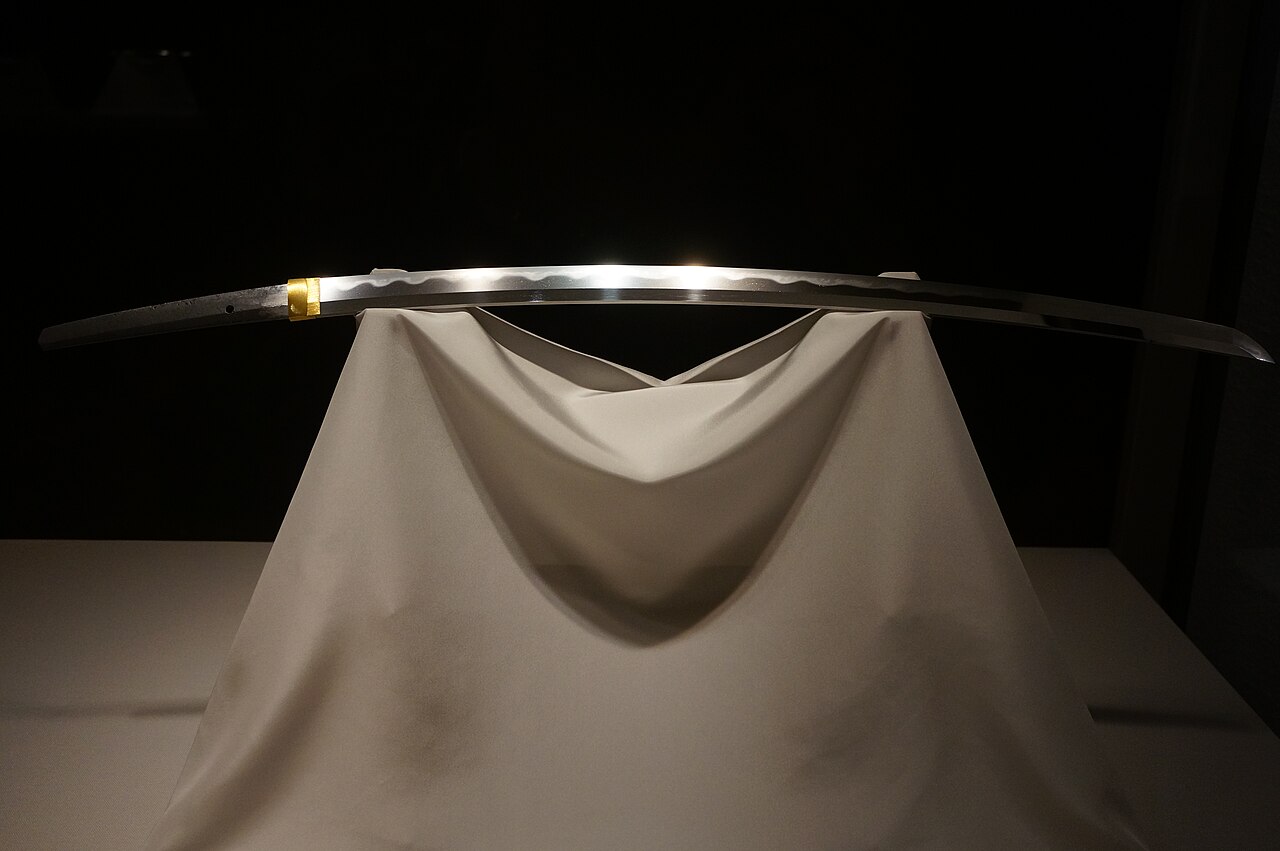
Japan’s greatest swordsmith made what many consider one of the finest swords ever forged, and nobody knows where it is. Masamune worked in the late 13th and early 14th centuries, and his blades are still regarded as a pinnacle of Japanese craftsmanship. The most celebrated of them is the Honjo Masamune.
Its name likely comes from General Honjō Shigenaga, who won it in 1561 after an opponent split his helmet with it. Shigenaga survived and kept the sword. It later passed through some of Japan’s most powerful hands, including Toyotomi Hideyoshi, and became a treasured heirloom of the Tokugawa clan, which ruled Japan as shoguns for more than 250 years. In 1939, it was designated a National Treasure.
Then came the end of World War II. During the American occupation, Japanese civilians were ordered to surrender weapons, and in December 1945 Tokugawa Iemasa handed the Honjo Masamune and 13 other heirloom swords to a police station in Tokyo’s Mejiro district. In January 1946, they were reportedly passed to an American sergeant whose name was recorded as “Coldy Bimore,” probably a garbled spelling. No one by that name has been traced, and the sword hasn’t been seen since.
5The Irish Crown Jewels
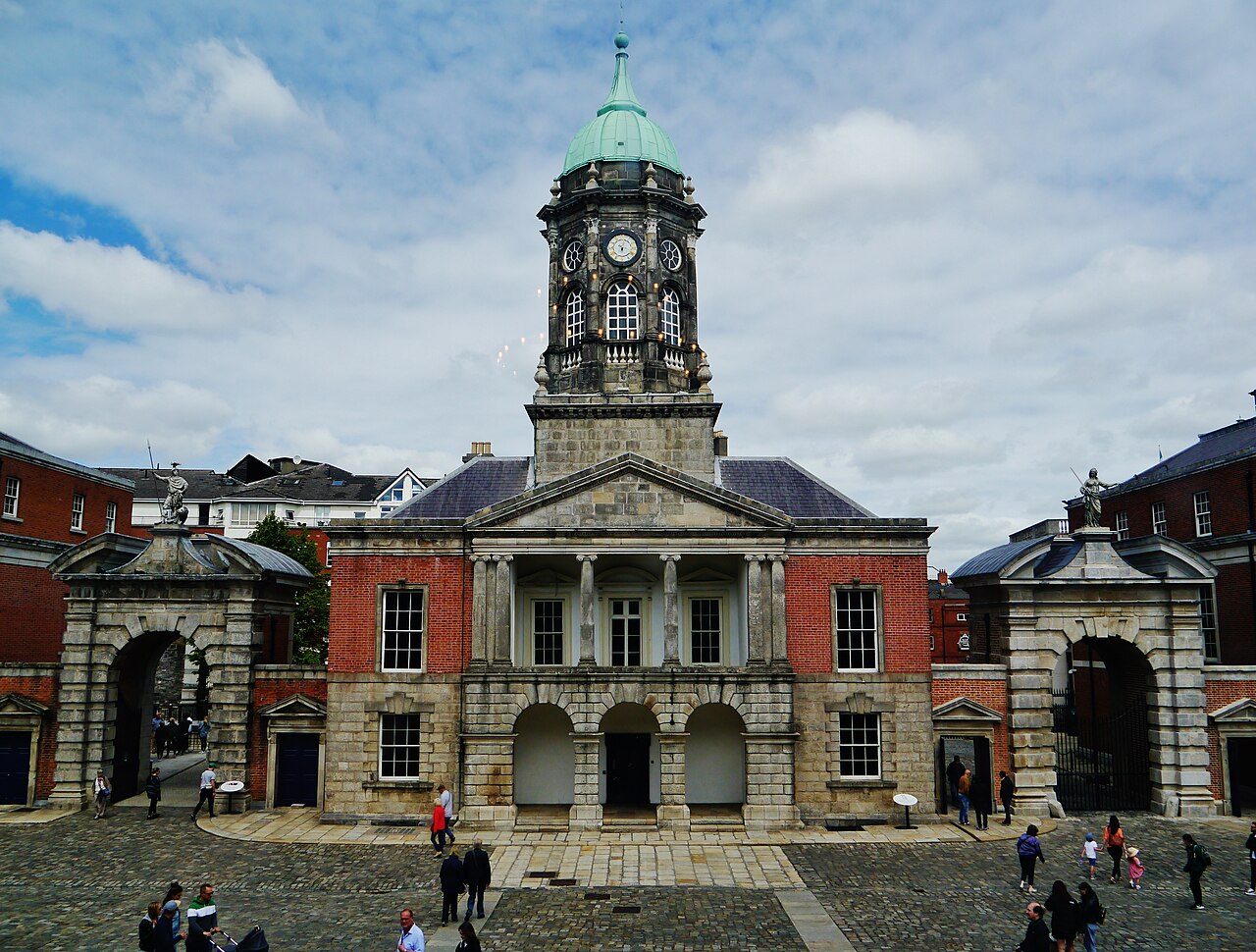
Four days before King Edward VII arrived in Dublin in July 1907, officials opened a safe in Dublin Castle and discovered that the Irish Crown Jewels were gone. Not damaged, not misplaced. Gone. There was no sign of a forced entry, which pointed to someone with access to the keys.
The “crown jewels” weren’t actually crowns. They were the regalia of the Order of St. Patrick, a jeweled star and badge made in 1831 and set with 394 gemstones, some reportedly taken from jewels that had belonged to Queen Charlotte. They were kept at the Office of Arms in the castle’s Bedford Tower, in a safe too big to fit through the strongroom door, so it sat in the library of Sir Arthur Vicars, the official responsible for them.
A government commission in 1908 found that Vicars had not exercised due vigilance, and he was forced out, though he insisted he was innocent. Suspicion fell on several men around him, including his colleague Frank Shackleton, brother of polar explorer Ernest Shackleton, but no one was ever charged. Rumors of secret buyers and hidden caches have surfaced ever since. The jewels haven’t.
4The Missing Fabergé Imperial Eggs
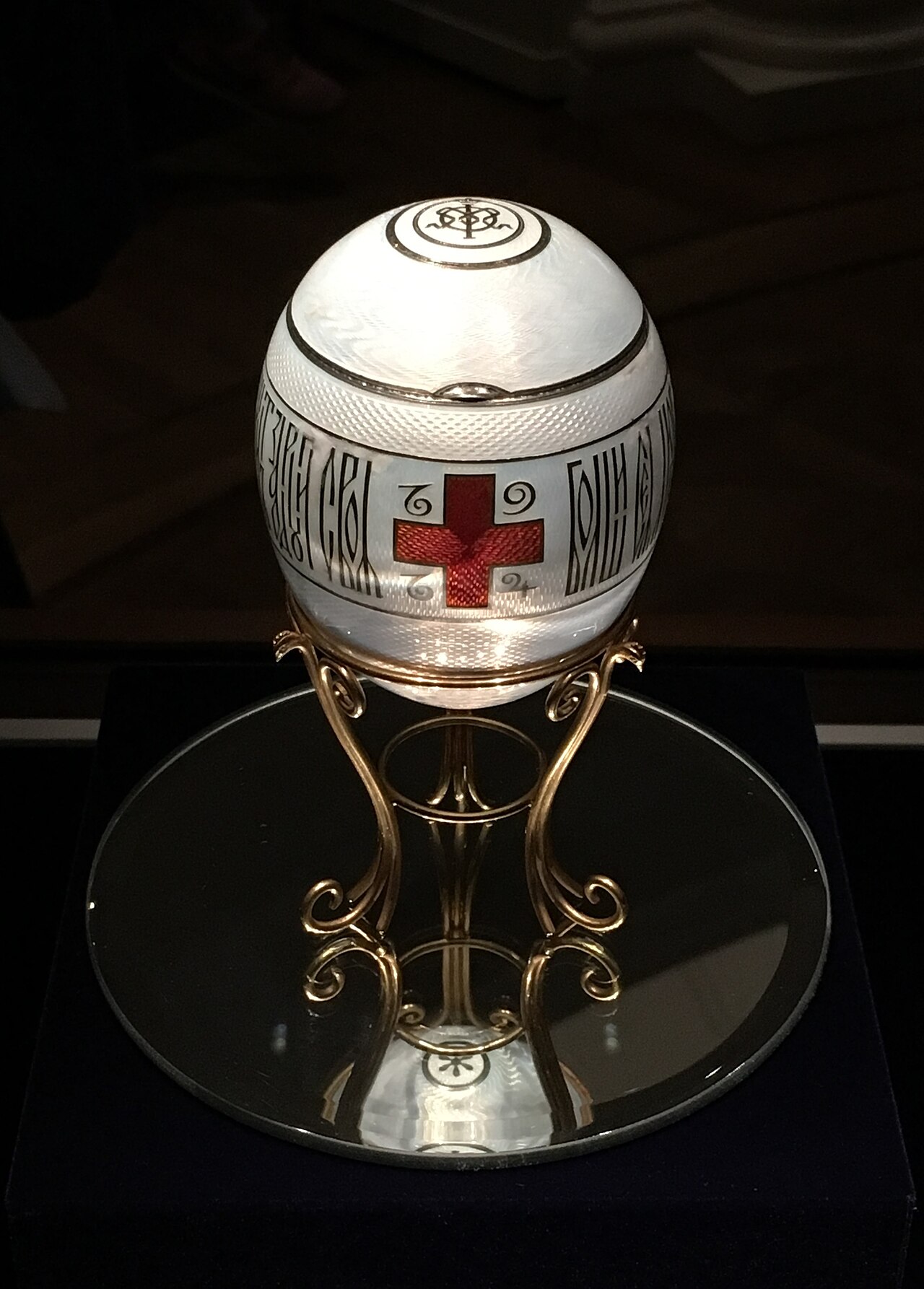
For years, a scrap-metal dealer in the American Midwest tried to sell a small gold egg he had bought for roughly $14,000, hoping to find a buyer who would melt it down for scrap. In 2012, he finally searched online and realized it might be Fabergé’s Third Imperial Easter Egg, a Romanov treasure whose whereabouts had been unknown for decades. It was. London jewelers Wartski bought it on behalf of a private collector, and it has been valued at around $33 million.
Between 1885 and 1916, the House of Fabergé made 50 Imperial Easter eggs for Russia’s last two tsars, Alexander III and Nicholas II, who gave them to their wives and to Nicholas’s mother. Each held a surprise inside, from a miniature coronation coach to tiny portraits. After the 1917 revolution, the Bolsheviks seized the eggs, and many were sold abroad in the 1920s and 1930s.
Today, 44 of the 50 are accounted for. Six are still missing, all of them eggs that belonged to Dowager Empress Maria Feodorovna, including the Hen with Sapphire Pendant egg of 1886 and the Royal Danish egg of 1903. Some may have been broken up for their gold and gems. Others could be sitting unrecognized in a drawer, which, as the scrap dealer proved, isn’t as far-fetched as it sounds.
3The Just Judges Panel of the Ghent Altarpiece
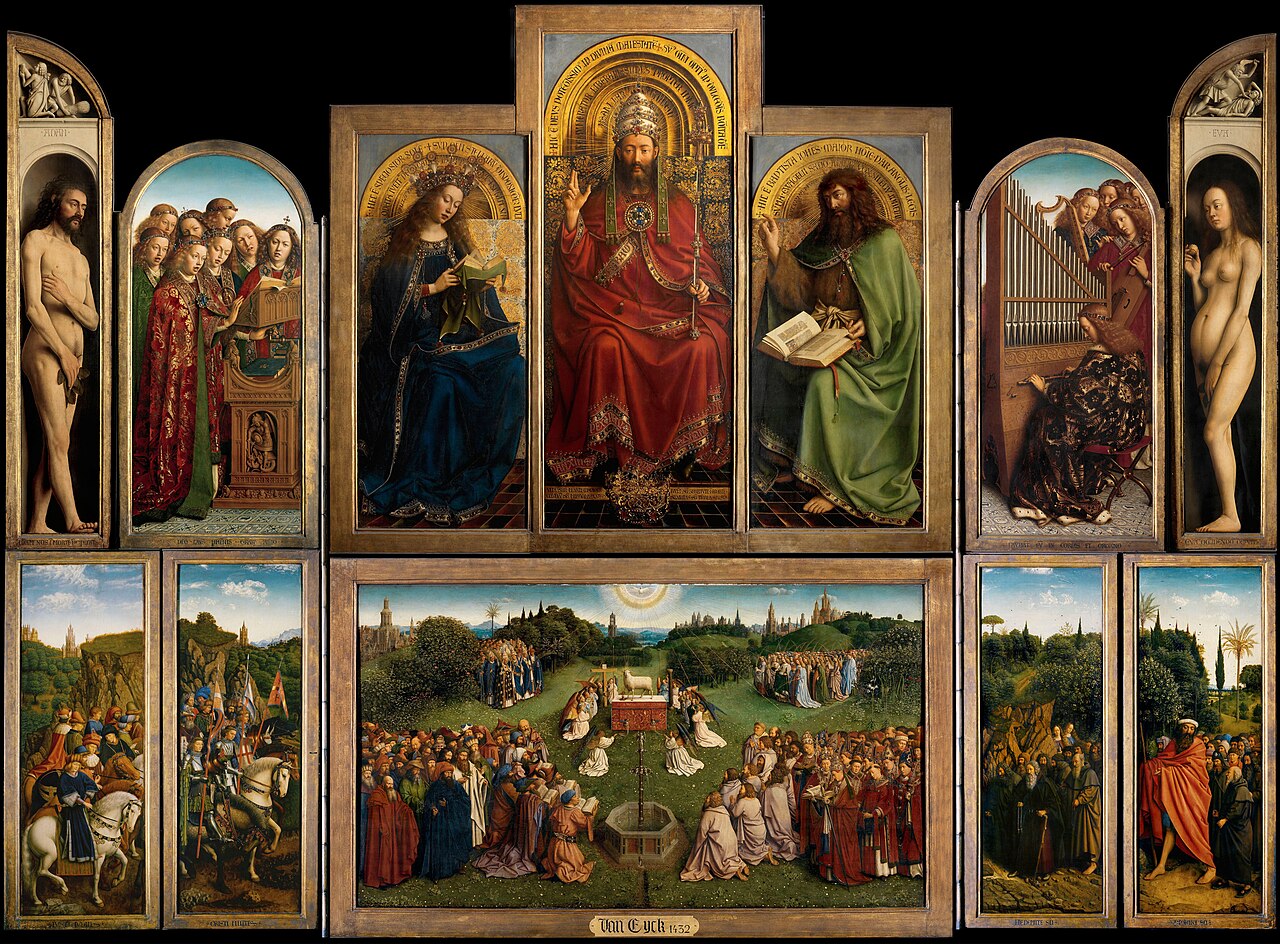
On the night of April 10, 1934, a thief slipped into St. Bavo’s Cathedral in Ghent, Belgium, and walked out with a piece of one of the most important paintings in Europe. The target was the Just Judges, the lower-left panel of the Ghent Altarpiece, the masterpiece completed in 1432 by Jan van Eyck and, probably, his brother Hubert.
Weeks later, the Bishop of Ghent received a ransom demand for one million Belgian francs. The government refused to pay. Over the following months, the thief and the authorities exchanged a series of letters, and as a gesture of good faith the thief returned one of the panel’s two parts, a grisaille figure of St. John the Baptist. The Judges themselves stayed hidden.
In November 1934, a stockbroker named Arsène Goedertier fell gravely ill and, on his deathbed, told his lawyer that he alone knew where the panel was hidden. He died before revealing the location. Police came to believe he was the thief, and investigators and amateur sleuths have searched for the panel ever since, even X-raying parts of the cathedral. In 1945, painter Jef Van der Veken completed the replacement copy that still fills the gap.
2Caravaggio’s Stolen Nativity
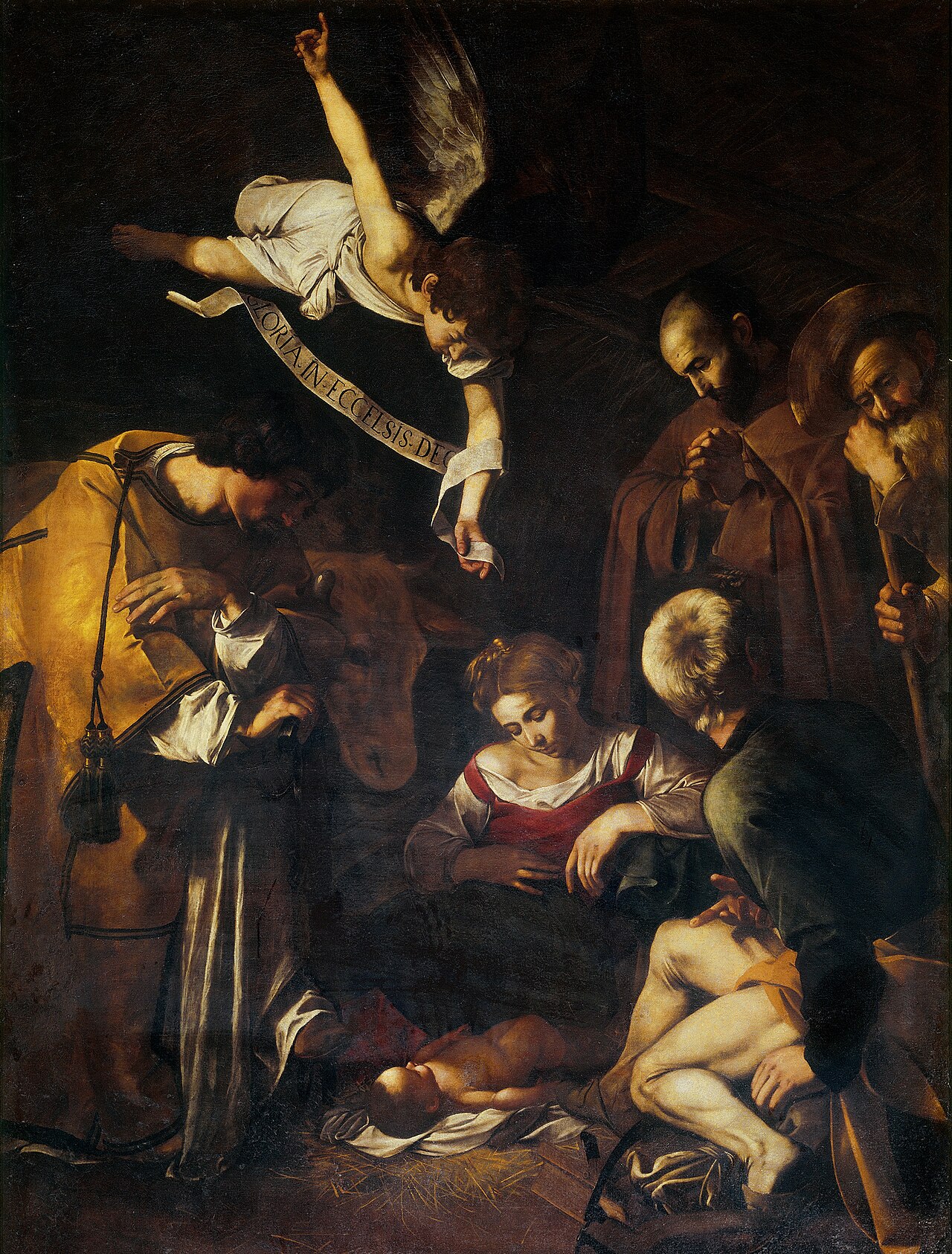
On the night of October 17–18, 1969, thieves entered the Oratory of San Lorenzo in Palermo, Sicily, cut a Caravaggio from its frame and carried it off, reportedly rolled up in a rug. The painting, the Nativity with St. Francis and St. Lawrence, stood about 2.7 meters tall and had hung above the oratory’s altar for centuries.
Investigators have long believed the Sicilian Mafia was involved, either in the theft itself or in what happened afterward. Over the decades, informants have told wildly different stories. One claimed the canvas was hidden in a barn, where rats and pigs damaged it before it was burned. Another theory holds that it was destroyed in a 1980 earthquake. In 2018, an informant claimed it had been sold to a Swiss dealer through a Mafia boss.
None of these accounts has been proven, and some investigators doubt them all. The FBI has listed the theft among its Top Ten Art Crimes, and the painting has been valued at around $20 million. In 2015, a high-resolution replica made with digital scanning technology was installed above the altar, so visitors can at least see what’s missing. The original, if it survives, may be the most wanted painting in Italy.
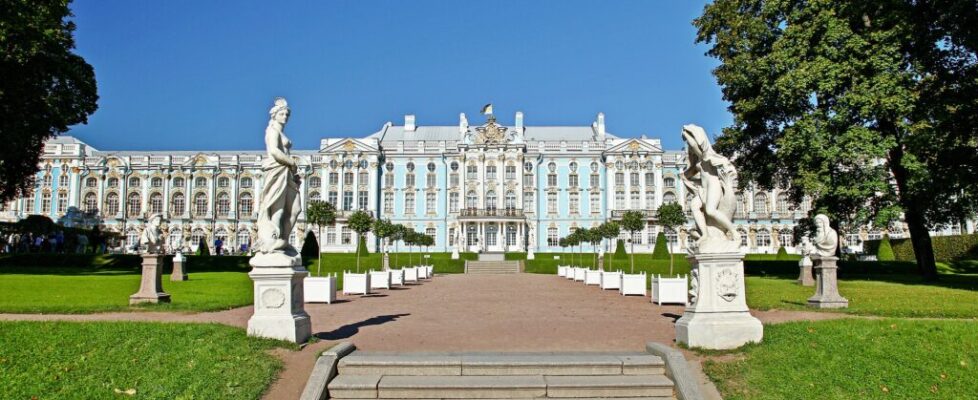
1The Amber Room
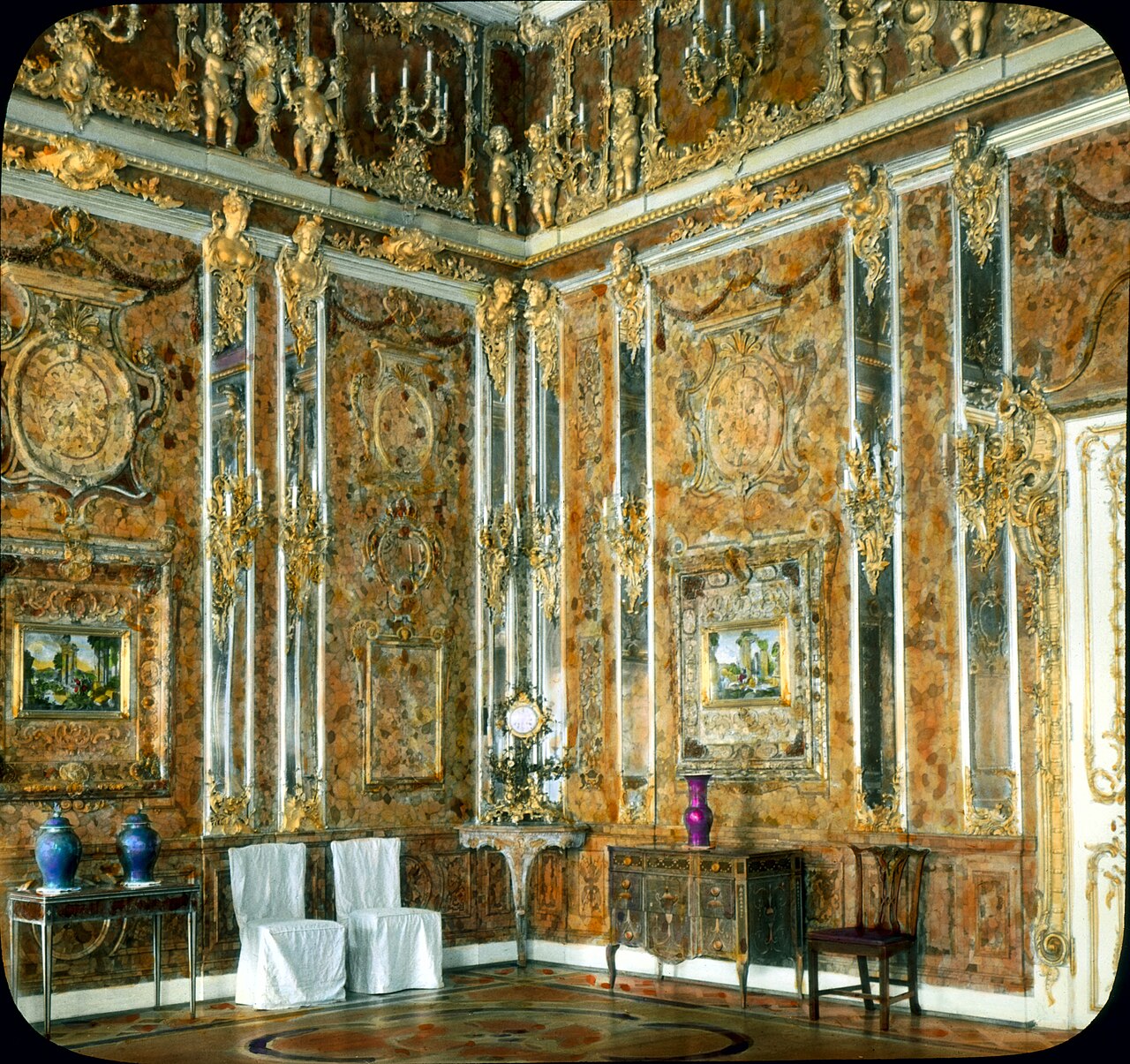
Picture a room whose walls are covered in more than six tons of amber, carved and polished into glowing panels framed with gilding and mirrors. Admirers called it the Eighth Wonder of the World. Designed in Prussia in the early 1700s, the Amber Room was given by King Frederick William I to Peter the Great in 1716, sealing an alliance between their countries.
Later enlarged and installed in the Catherine Palace outside Saint Petersburg, it remained a Russian imperial treasure until 1941. When German forces invaded the Soviet Union, they captured the palace, and soldiers reportedly dismantled the room in about 36 hours. It was shipped to Königsberg, then part of Germany, and displayed in the city’s castle. In 1944 it was packed into crates. Then the trail goes cold.
Königsberg was devastated by British bombing in 1944 and the Soviet assault in 1945, and many researchers think the room burned with the castle. Others believe the crates were moved before the city fell, perhaps to a mine, a bunker or a ship. In 2020, divers off Poland explored the wreck of the Karlsruhe, which some hoped might hold it, but found no sign of the panels. A painstaking reconstruction was unveiled in 2003.
Keep Your Eyes Open
The Florentine Diamond’s surprise reappearance is a reminder that lost doesn’t always mean gone. Treasures hide in bank vaults, attics, flea markets and private collections, sometimes in plain sight, waiting for the right person to recognize them. The next big find could just as easily come from a curious amateur as from a professional expedition.
Several of these vanished through theft, so if you want to see how the boldest thieves operate, read about the real-life heists that sound like movie plots. And for riches that sank rather than disappeared, explore famous shipwrecks and the stories behind them.
Quick answers
Has the Amber Room ever been found?
No. The original Amber Room disappeared from Königsberg Castle at the end of World War II and has never been found. Many researchers believe it burned when the city was destroyed in 1945, while others think it was hidden or shipped away. A detailed reconstruction was completed in 2003 and is on display in the Catherine Palace near Saint Petersburg.
How many Fabergé eggs are still missing?
Of the 50 Imperial Easter eggs Fabergé made for the Romanovs, 44 are accounted for and six remain missing, according to most current tallies. The Third Imperial Egg was rediscovered in 2012 after a scrap-metal dealer nearly sold it for its scrap value, so collectors believe some of the others could still turn up.
Was the Florentine Diamond ever found?
Yes. The 137-carat Florentine Diamond, long believed lost after the Habsburg monarchy collapsed in 1918, was revealed in November 2025 to have been kept by the Habsburg family in a bank safe deposit box in Quebec, Canada. Empress Zita had reportedly taken it there during World War II, and the family has said it plans to put it on public display.
Sources, further reading & photo credits
- Catherine Palace — Wikipedia
- Superstition Mountains — Wikipedia
- John, King of England — Wikipedia
- Kremlin — Wikipedia
- Copper Scroll — Wikipedia
- Masamune — Wikipedia
- Irish Crown Jewels — Wikipedia
- Fabergé egg — Wikipedia
- Ghent Altarpiece — Wikipedia
- Nativity with Saint Francis and Saint Lawrence — Wikipedia
- Amber Room — Wikipedia
Cover image: Alexander2018 · CC BY-SA 4.0 · via Wikimedia Commons. Photos throughout this list are sourced from Wikimedia Commons under the licenses noted in each caption.