
10 Strange Cat Behaviors, Explained by Science

Your cat stares at a blank wall for ten minutes, sprints through the house at 3 a.m., then pushes your pen off the desk while holding eye contact. Living with a cat can feel like sharing a home with a tiny, furry mystery. For a long time, scientists studied cats far less than dogs, partly because cats are famously uncooperative research subjects.
That’s changing. Researchers are finally running experiments on why cats do what they do, sometimes with help from thousands of curious owners. Here are 10 strange cat behaviors explained by science, from the cheerfully proven to the still-debated. One note: if your cat’s behavior changes suddenly, especially in an older cat, it’s worth mentioning to a vet.
10The Flehmen Response (“Stink Face”)
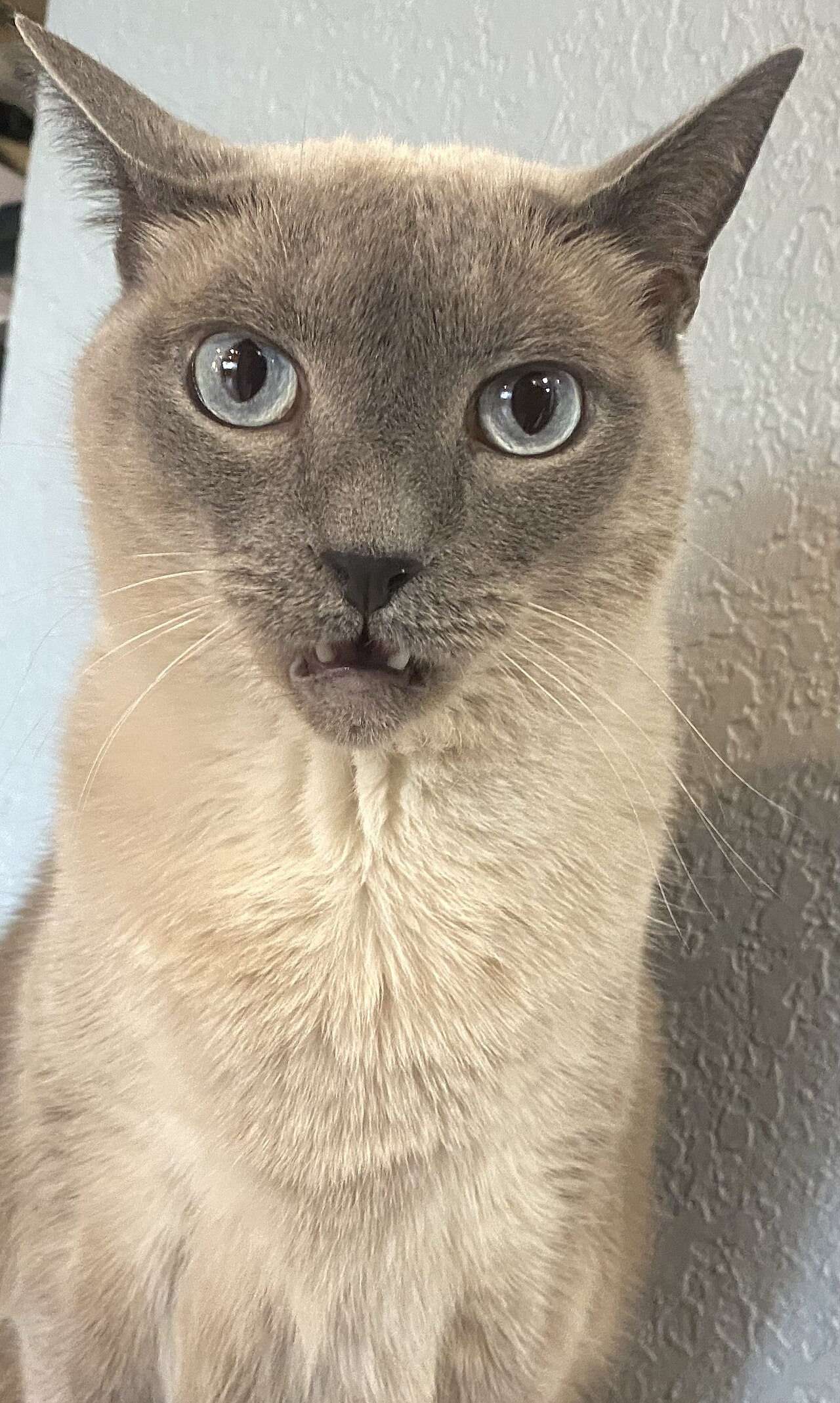
Your cat sniffs your gym shoe, then freezes with its mouth half open and upper lip slightly curled, looking frankly appalled. It isn’t judging your footwear. That expression is called the Flehmen response, from a German word often translated as curling the upper lip.
What’s really happening is a second kind of smelling. The cat is drawing scent molecules toward its vomeronasal organ, also called Jacobson’s organ, a specialized chemical detector in the roof of the mouth. It connects to the mouth through two tiny ducts just behind the upper front teeth. Opening the mouth and pausing helps pull scent into those ducts. The organ is tuned largely to pheromones and other chemical signals, which carry information about another cat’s identity, territory and readiness to mate.
Common triggers include urine marks, places where other cats have rubbed, and sometimes very personal human items like socks and shoes. Plenty of other mammals do it too. Horses perform a dramatic version, peeling their upper lip back and lifting their heads, and tigers, goats, elk, tapirs and zebras all make the face. In house cats it’s usually subtle, just a brief, open-mouthed pause, which is why many owners never notice it or mistake it for a sneer.
9Chattering at Birds
Put a cat at a window while a sparrow hops around the feeder outside, and you may hear something odd: a rapid, stuttering chatter, jaw trembling, eyes locked on the target. Some cats add little chirps and trills, as if trying to start a conversation with lunch.
The honest answer is that scientists aren’t certain why cats do this, but there are three leading ideas. The first is frustration and excitement: the cat’s hunting system is fully switched on, and the prey is out of reach behind glass. The second, suggested by some behaviorists, is that the fast jaw movement rehearses the precise bite that cats use to dispatch small prey. The third is mimicry, the idea that cats may be imitating the sounds of their prey.
That last idea got support from the wild. In 2005, researchers with the Wildlife Conservation Society in the Brazilian Amazon, near Manaus, watched a margay, a small spotted wild cat, imitate the calls of baby pied tamarins. The imitation was far from perfect, but it drew curious adult tamarins closer before they spotted the cat and fled. Nobody has shown that house cats chatter for the same reason, but it’s a reminder that cats are capable of vocal trickery.
8The Zoomies
It’s 3 a.m. Something thunders down the hallway, skids around a corner, ricochets off the couch and disappears. Your cat has the zoomies.
The behavior has a wonderfully formal name: frenetic random activity periods, or FRAPs. Dogs get them too. The most common explanation is pent-up energy. Cats evolved as sprint-and-pounce hunters built for short, explosive bursts of effort, not long jogs, and an indoor cat that has dozed most of the day may have a lot of stored energy and nothing to chase. Cats are also crepuscular, meaning they’re naturally most active around dawn and dusk, when many of their prey animals are on the move. That’s why the zoomies so often strike in the early morning or late evening, usually while their humans are trying to sleep.
Some cats famously bolt out of the litter box. Owners have proposed everything from relief to an instinct to get away from the smell of waste, but no study has settled it, so treat any explanation as a guess. Interactive play, such as a wand toy session before bedtime, can help a cat burn off energy and may make nighttime laps less frequent.
7Knocking Things Off Tables
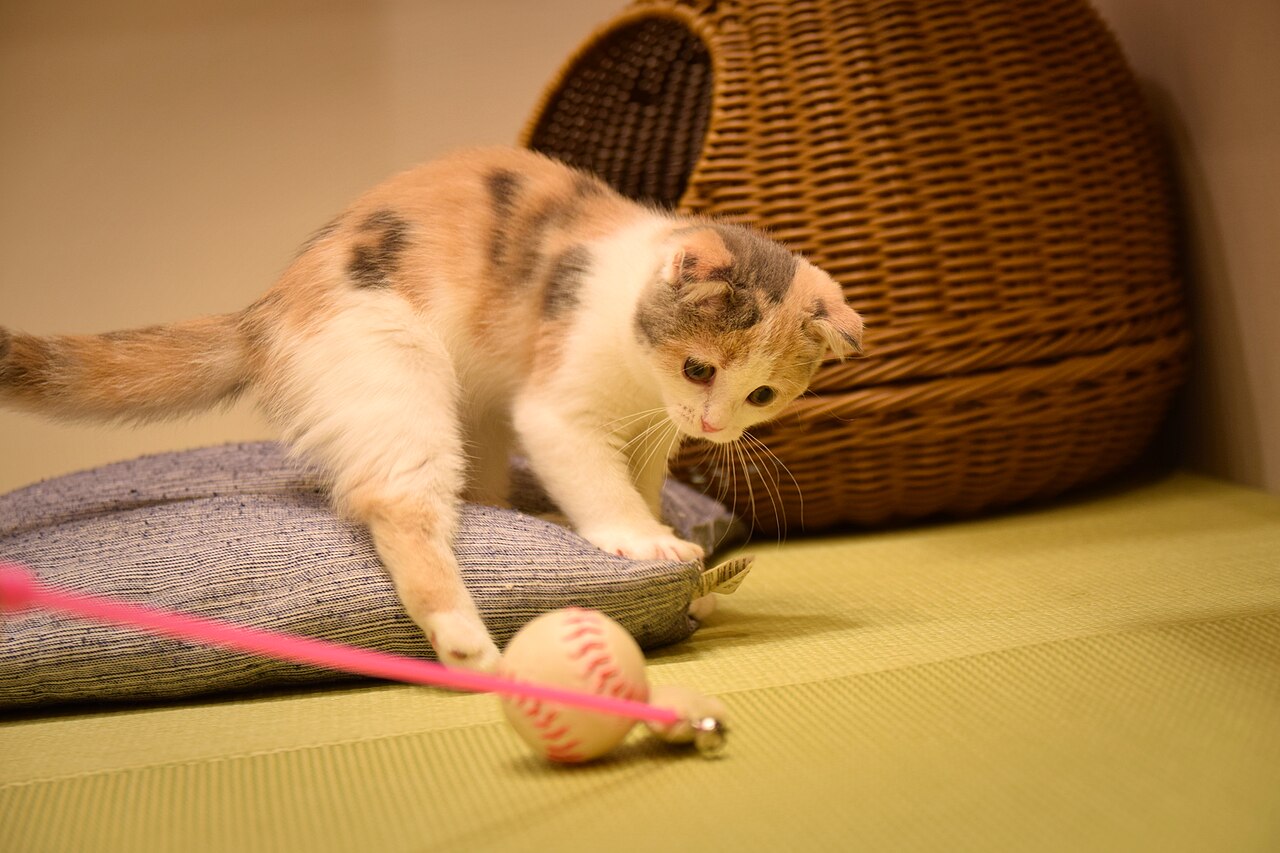
A cat strolls to the edge of the desk, looks you dead in the eye and slowly nudges your pen toward the edge. A pause. Then it pushes.
There’s no landmark study devoted to this particular crime, but animal behaviorists point to a few likely motives. The first is predatory testing. A cat’s paws are sensitive, and tapping a small object is how a cat checks whether something might be alive, the same way it bats at a mouse to see whether it will run. Small things that move when touched are endlessly interesting. Watching them fall and roll only makes the experiment more rewarding.
The second motive is you. If knocking things over reliably makes a human leap up, shout or come running, a cat quickly learns that it works, and even a scolding counts as attention. Boredom plays a role too, especially for indoor cats with little to stalk. Behaviorists generally suggest giving cats more legitimate things to hunt, such as puzzle feeders, toys that move and regular play, and simply putting breakables out of reach. Expecting a cat to stop being curious is a losing battle.
6Showing the Belly (Not Always an Invitation)
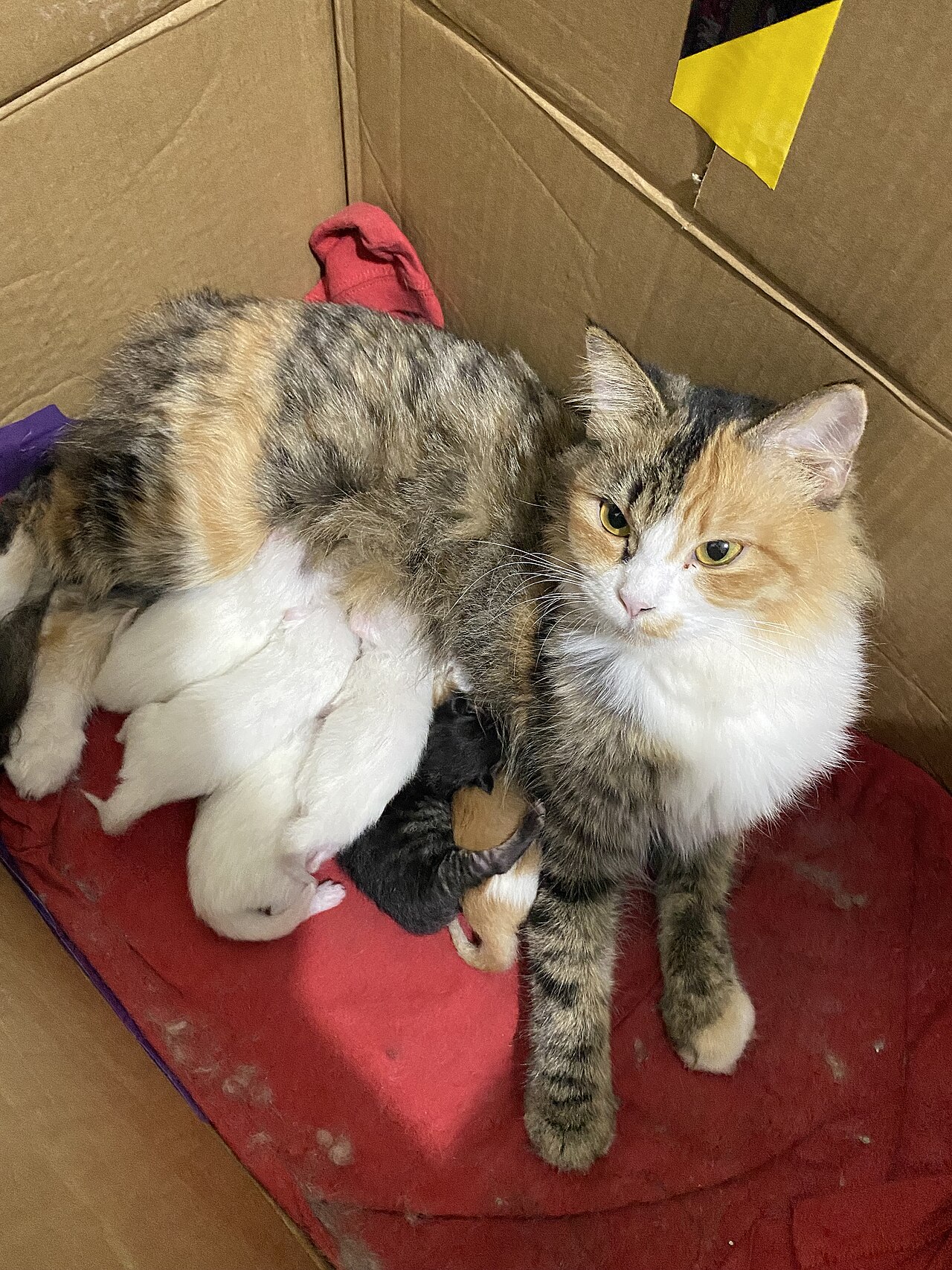
Your cat flops over, stretches out and presents a fluffy belly. You reach in for a rub, and suddenly your hand is wrapped in claws while two back feet pedal against your wrist.
Here’s the misunderstanding. The belly protects a cat’s vital organs, so lying on its back with that soft underside exposed means the cat feels safe and relaxed around you. It’s a compliment. It isn’t necessarily an invitation to touch. Cats also roll over to greet a familiar person, to stretch, to soak up a patch of sunlight, or, in a tense moment, to fight back, since a cat on its back can use all four sets of claws at once.
When a hand lands on the belly, many cats respond with a reflexive defensive move: front claws grab and hold while the hind legs rake in rapid kicks. Owners call it the bunny kick, and it’s the same move cats use in play-fighting and on prey. Some cats genuinely enjoy belly rubs, but research on petting preferences suggests many cats prefer being stroked around the face, cheeks and chin, and are less fond of touch near the tail. Letting a cat choose when and where contact happens tends to go better for everyone.
5Bringing You “Gifts”
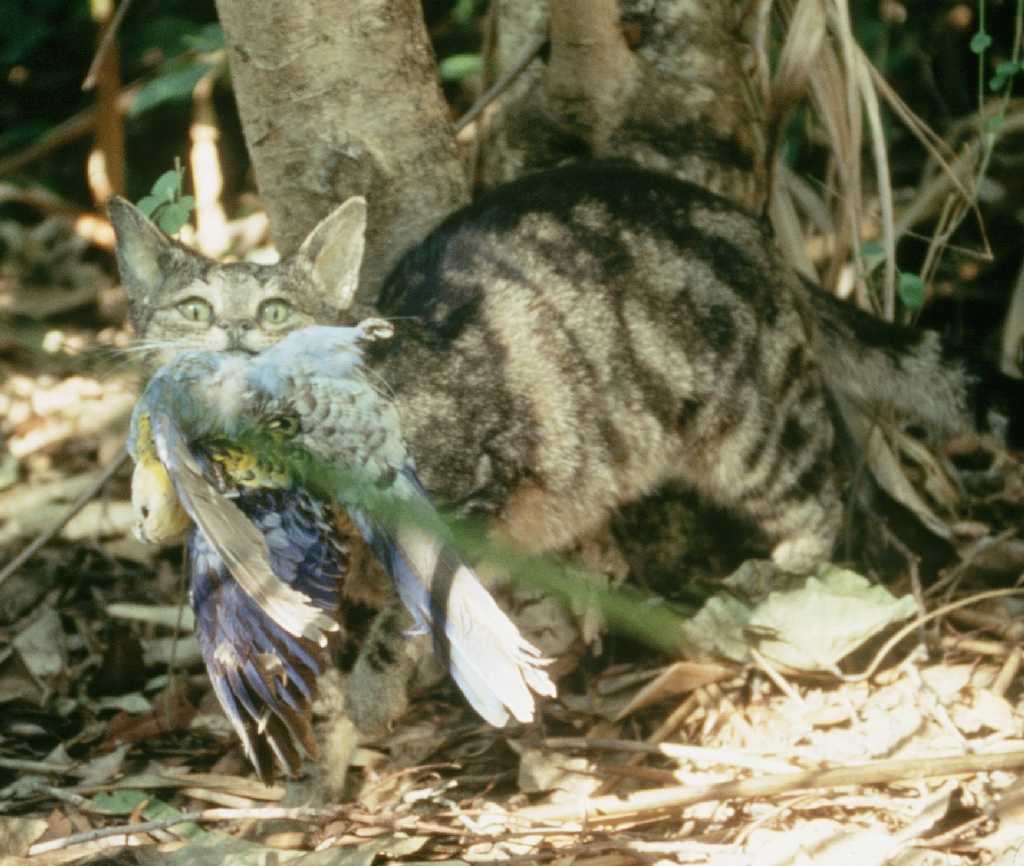
You open the back door and there it is on the mat: a mouse, a bird, or a lizard missing its tail, delivered by a cat who looks extremely pleased with itself.
A full food bowl doesn’t switch off a cat’s urge to hunt, so even pampered house cats stalk and catch prey when they get the chance. Cats often carry a kill to a safe spot before eating it, and home is the safest spot they know. Once there, a well-fed cat may simply lose interest. A popular theory says cats are teaching their hopeless humans to hunt, the way mother cats bring prey to kittens. It’s a charming idea, but it remains unproven.
The habit has real consequences for wildlife. A 2013 study in Nature Communications estimated that free-ranging domestic cats in the US kill between 1.3 and 4 billion birds and 6.3 to 22.3 billion mammals each year, mostly through unowned cats. There’s good news for owners, though. In a 2021 University of Exeter study of 355 cats in 219 households, switching to a premium food with protein from meat cut the number of prey animals brought home by 36 percent. Five to ten minutes of daily play reduced it by 25 percent.
4Headbutting (Bunting)
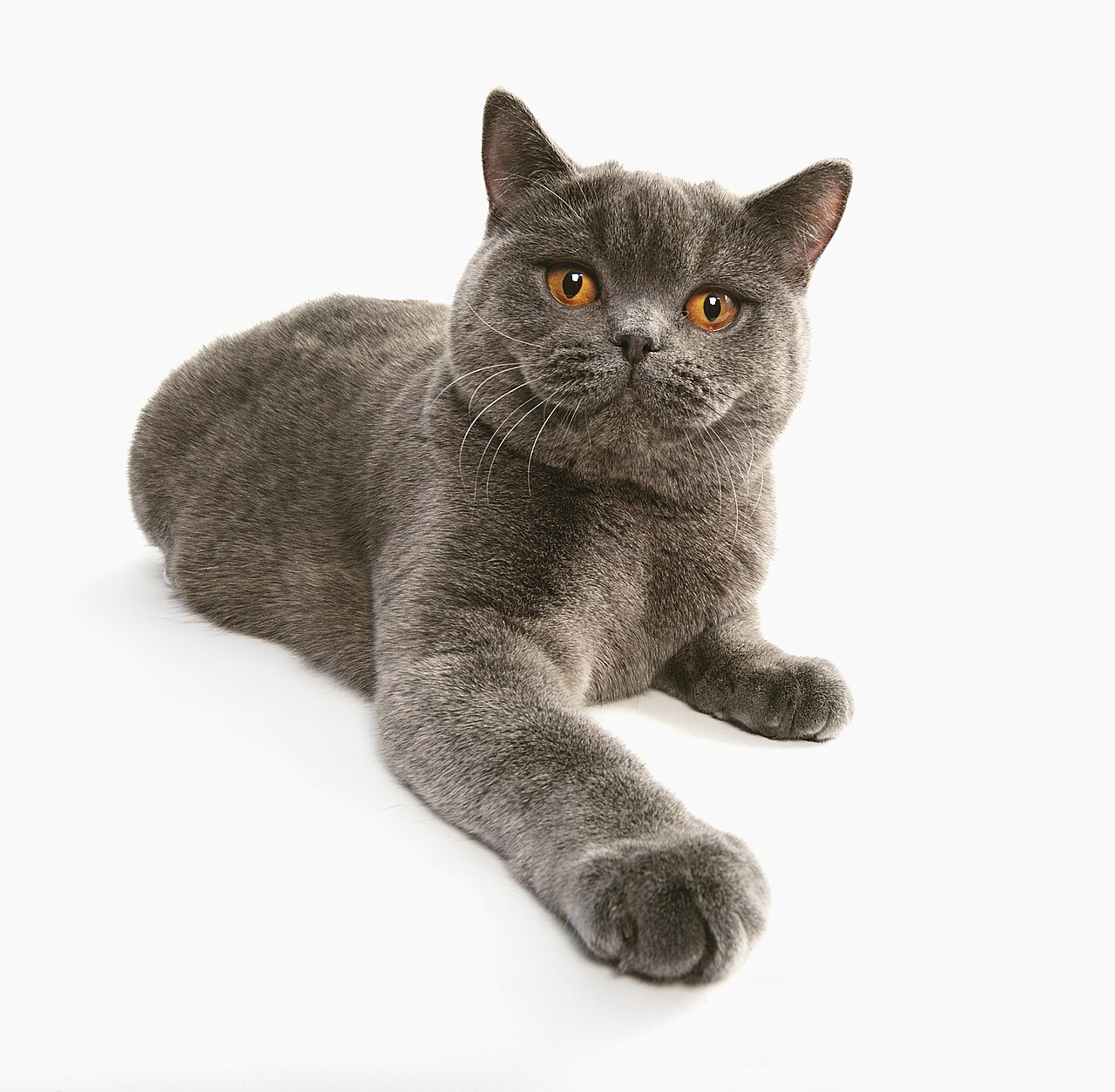
A soft thunk against your shin. Then your chin. Then the corner of your laptop. Cats headbutt the people and things they like, and it’s far more deliberate than it looks.
Behaviorists call it bunting. Cats have scent glands on their cheeks, chin and forehead and around the mouth, and when they rub against you they leave behind a personal chemical signature. Cats living in friendly groups rub against each other in the same way, building a shared group scent that helps them recognize who belongs. When your cat bunts you, it’s effectively writing its name on you and adding you to the family. Synthetic versions of feline facial pheromones are even sold in plug-in diffusers meant to help stressed cats feel at home.
Bunting also fits a growing body of research showing cats bond more strongly with people than their aloof reputation suggests. In a 2019 study published in Current Biology, Oregon State University researchers tested kittens with a classic attachment test adapted from studies of human infants. About 64 percent of kittens were classified as securely attached to their caregivers, close to the roughly 65 percent figure seen in human infants. Adult cats tested in the same study showed a similar pattern.
3Kneading (“Making Biscuits”)
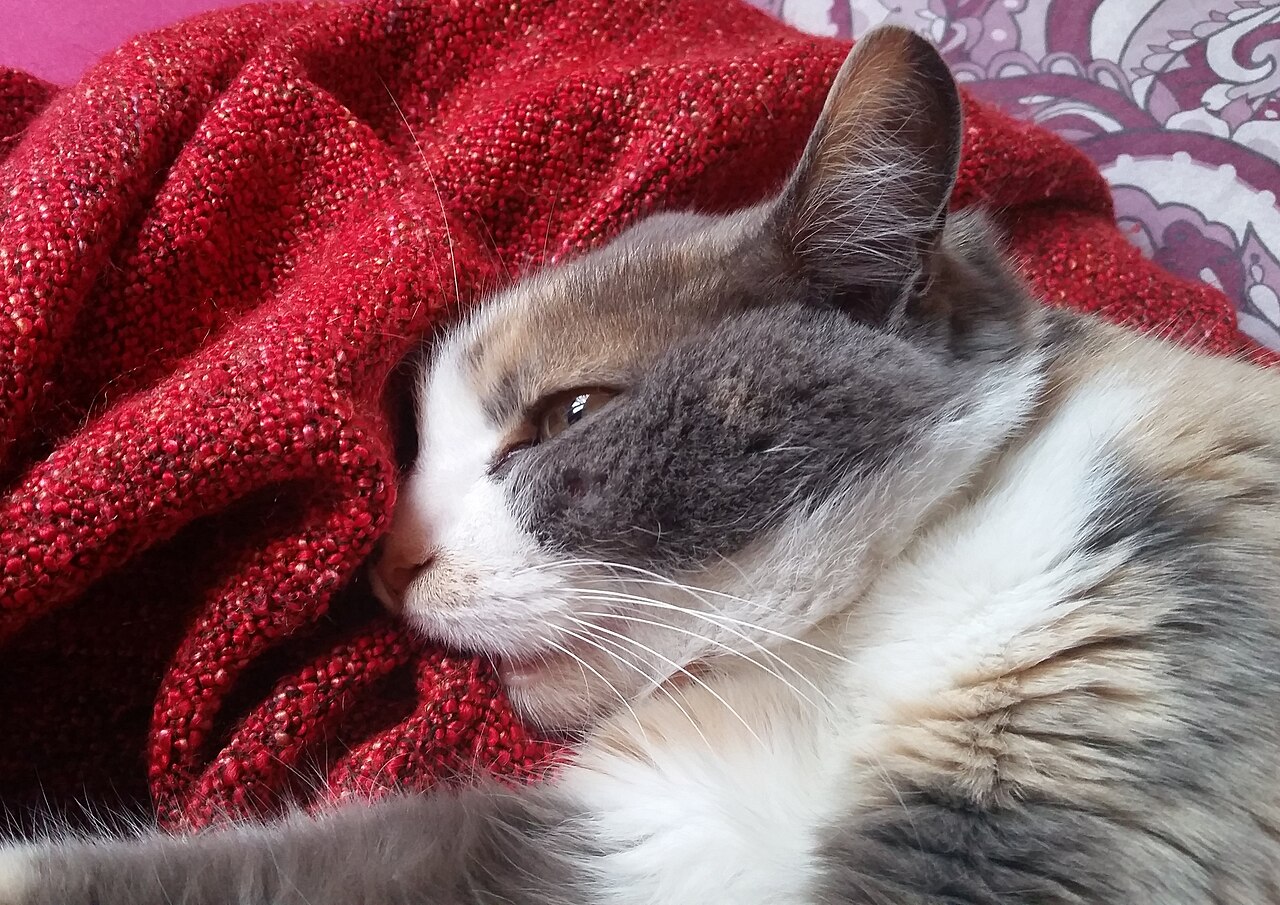
Your cat climbs into your lap, purring, and starts pushing its front paws into your legs: left, right, left, right, claws flexing in and out like a baker working dough. Cat people call it making biscuits.
The behavior starts at the very beginning of life. Nursing kittens knead their mother’s belly, and the rhythmic pressing helps stimulate the flow of milk. Many cats carry the habit into adulthood, especially when they feel relaxed, safe and content. That’s why kneading so often comes with purring and frequently happens on a soft blanket or a favorite human just before the cat settles down to sleep. Some adult cats even suckle on fabric while they knead, a sign of how closely the habit is tied to comfort.
There’s likely more going on, too. Cats have scent glands in their paws, so kneading may leave a subtle scent mark that says “this spot is mine.” Another long-standing theory holds that wild ancestors trampled grass and leaves to make a comfortable bed, though that’s harder to test. If your cat’s claws are getting a bit too enthusiastic, a folded blanket on your lap usually protects you without discouraging a behavior that signals contentment.
2Squeezing Into Boxes
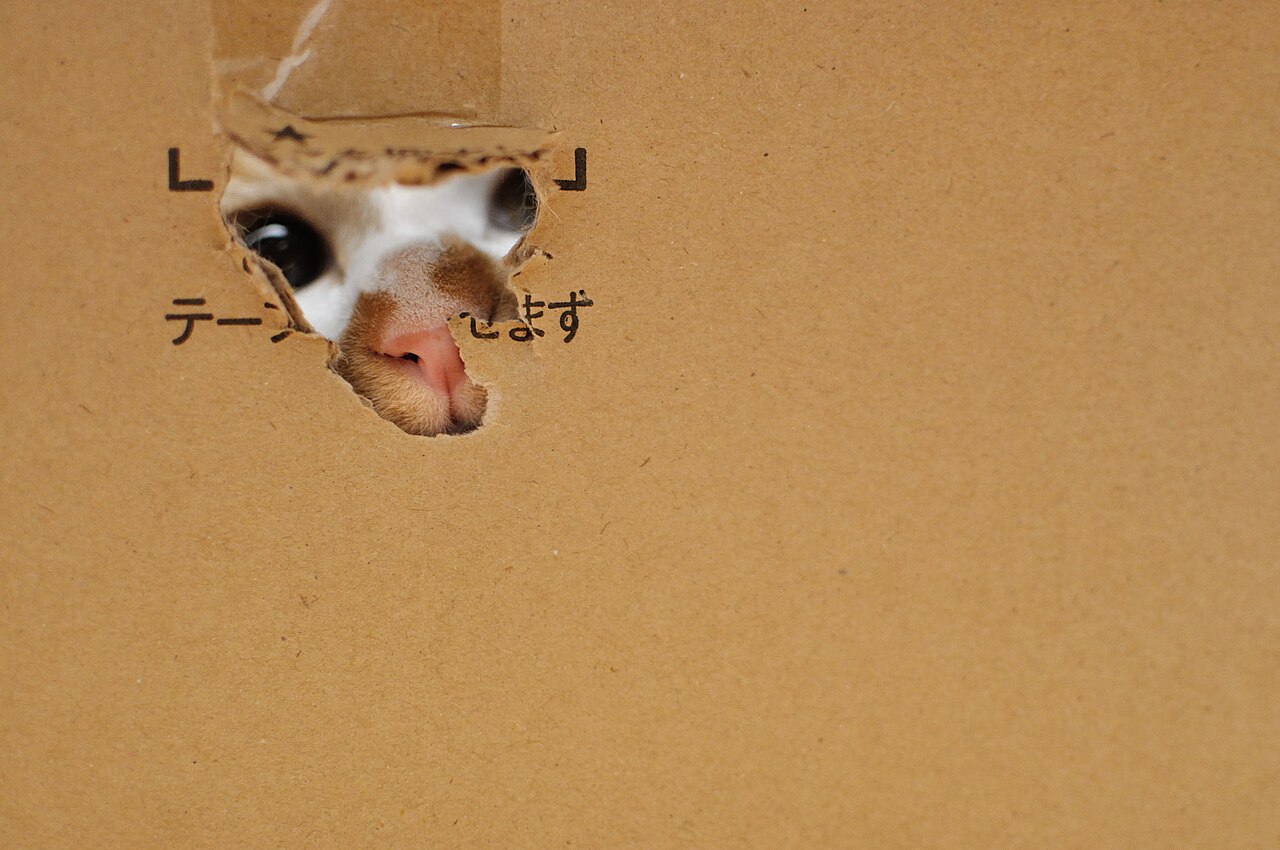
Buy a cat an expensive, orthopedic, heated bed, and it will sleep in the cardboard box it came in. This one is so universal that the internet gave it a motto: “If I fits, I sits.”
Part of the appeal is security. A small, enclosed space lets a cat watch the world while staying hidden and protected from behind, which suits an animal that is both predator and potential prey. It also seems to lower stress. A 2014 study of shelter cats from Utrecht University in the Netherlands found that cats given a hiding box adapted to their new surroundings faster in their first days than cats without one. Cardboard also traps warmth, and cats are generally comfortable at warmer temperatures than people are.
In 2021, researchers led by Gabriella Smith at Hunter College in New York took the question further. In a citizen-science study published in Applied Animal Behaviour Science, owners taped shapes on the floor: a square, a Kanizsa square (an optical illusion where four Pac-Man-like corners suggest a square that isn’t there) and a distorted version. Of the 30 cats whose owners completed the six-day trial, nine consistently sat in a shape. They chose the real square 8 times, the illusory square 7 times and the distorted control only once.
1Slow Blinking
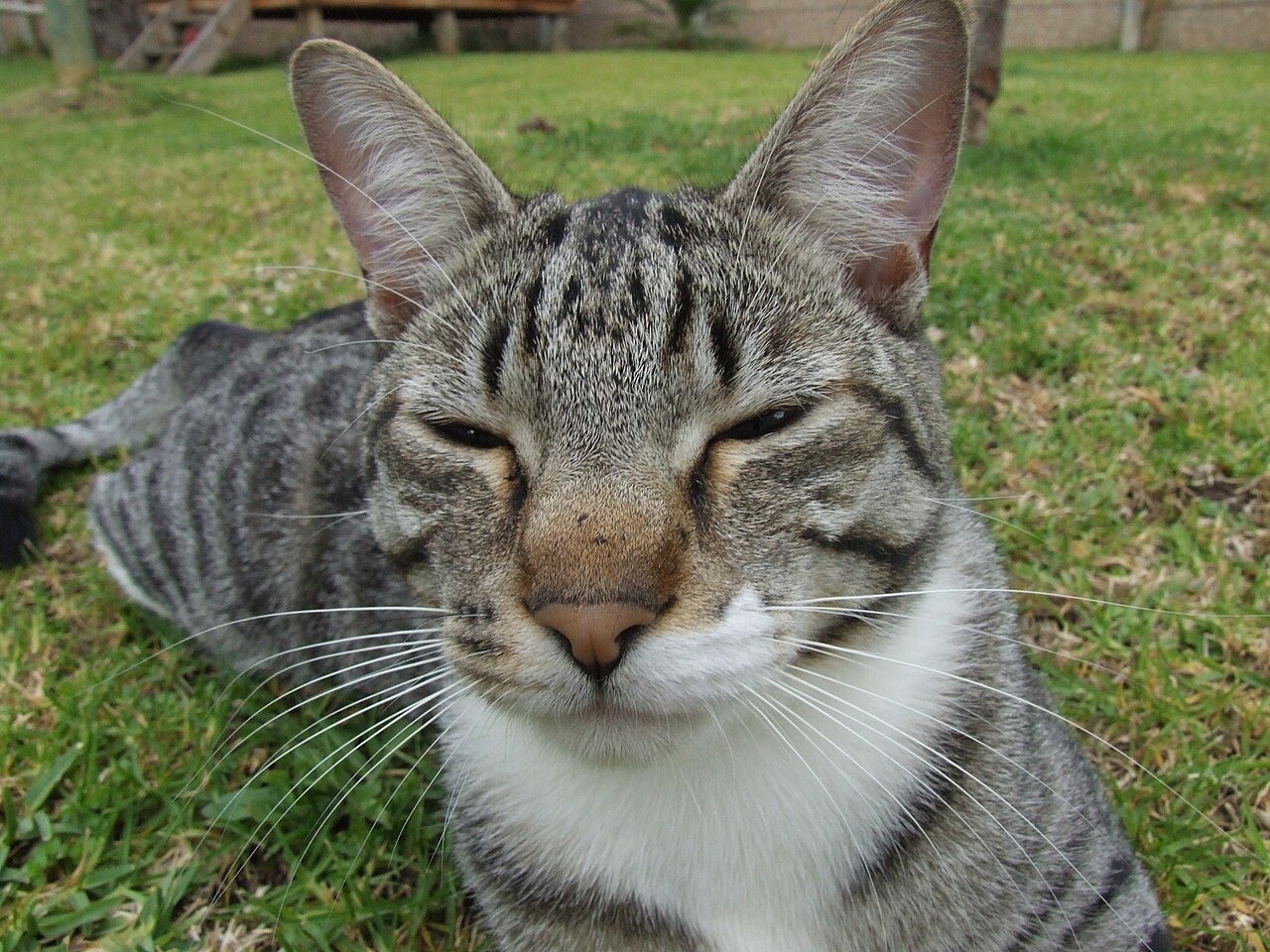
Catch your cat’s eye from across the room and it may narrow its eyes, then close them in a long, lazy blink. Cat lovers have called it a “cat kiss” or “cat smile” for years. In 2020, scientists put the idea to the test.
Researchers from the University of Sussex and the University of Portsmouth, led by Tasmin Humphrey with Karen McComb, published two experiments in Scientific Reports. In the first, involving 21 cats from 14 households, owners sat about a meter from their cats and slow-blinked at them. The cats were more likely to narrow their eyes back than when their owners didn’t interact. In the second, involving 24 cats from 8 households, an unfamiliar researcher either slow-blinked or kept a neutral face. Cats slow-blinked more in response, and they were more likely to approach the researcher’s outstretched hand after a slow blink.
You can try it yourself. Relax your face, narrow your eyes as you would in a gentle smile, and close them for a second or two. If your cat answers with a slow blink of its own, that’s about as close to a conversation as cats and humans get. If it ignores you entirely, well, it’s still a cat.
Your Cat Isn’t Weird. It’s Just a Cat.
Almost every strange thing cats do traces back to the same few roots: a hunter’s brain, a powerful sense of smell, a need to feel safe and a social life built on scent and subtle signals. Once you see the logic, the 3 a.m. sprints and broken mugs start to make a certain kind of sense.
Cats are far from the only animals with surprising abilities. Meet these animals with real-life superpowers, or find out which pet made our list of the deadliest animals on Earth. Hint: it isn’t the cat.
Quick answers
Why does my cat knead me?
Kneading starts in kittenhood, when kittens press their mother’s belly to stimulate milk flow. Adult cats often keep doing it when they feel relaxed and content, which is why it usually comes with purring. Cats also have scent glands in their paws, so kneading may mark you as familiar territory. It’s generally a sign your cat feels comfortable with you.
Why do cats like boxes so much?
Boxes give cats a hidden, enclosed spot where they can watch their surroundings while feeling protected, which can help them cope with stress. A 2014 study found shelter cats given hiding boxes adapted faster. Cardboard also holds warmth. A 2021 study even found that some cats will sit inside a square outline taped on the floor, including an optical illusion of one.
What does it mean when a cat slow blinks at you?
A slow blink is widely seen as a sign that a cat feels relaxed and unthreatened around you. A 2020 study from the Universities of Sussex and Portsmouth found that cats were more likely to slow blink back at people who slow blinked at them, and more likely to approach a stranger who had slow blinked first.
Sources, further reading & photo credits
- Cat — Wikipedia
- Moggy — Wikipedia
- Tabby cat — Wikipedia
- Kitten — Wikipedia
- Cat play and toys — Wikipedia
- Cat behavior — Wikipedia
- Cat predation on wildlife — Wikipedia
- British Shorthair — Wikipedia
- Kneading (cats) — Wikipedia
- Cat intelligence — Wikipedia
- European Shorthair — Wikipedia
Cover image: Godwin Borg · CC BY-SA 4.0 · via Wikimedia Commons. Photos throughout this list are sourced from Wikimedia Commons under the licenses noted in each caption.