
10 Everyday Things With Surprisingly Weird Origins

Your house is full of objects with strange résumés. The putty your kids squish was designed to scrub coal soot off walls. The mouthwash by your sink was once sold, in another form, as a floor cleaner. And the roaring power tool in your neighbor’s garage traces its family tree back to an 18th-century delivery room.
Plenty of everyday things with weird origins started out solving a completely different problem, then found a second life when someone noticed what customers were actually doing with them. Others were born from wartime shortages, moral crusades or a spiritualist craze. Here are ten household names whose backstories are far odder than their packaging lets on, counted down to the one that’s genuinely hard to believe.
10The Frisbee
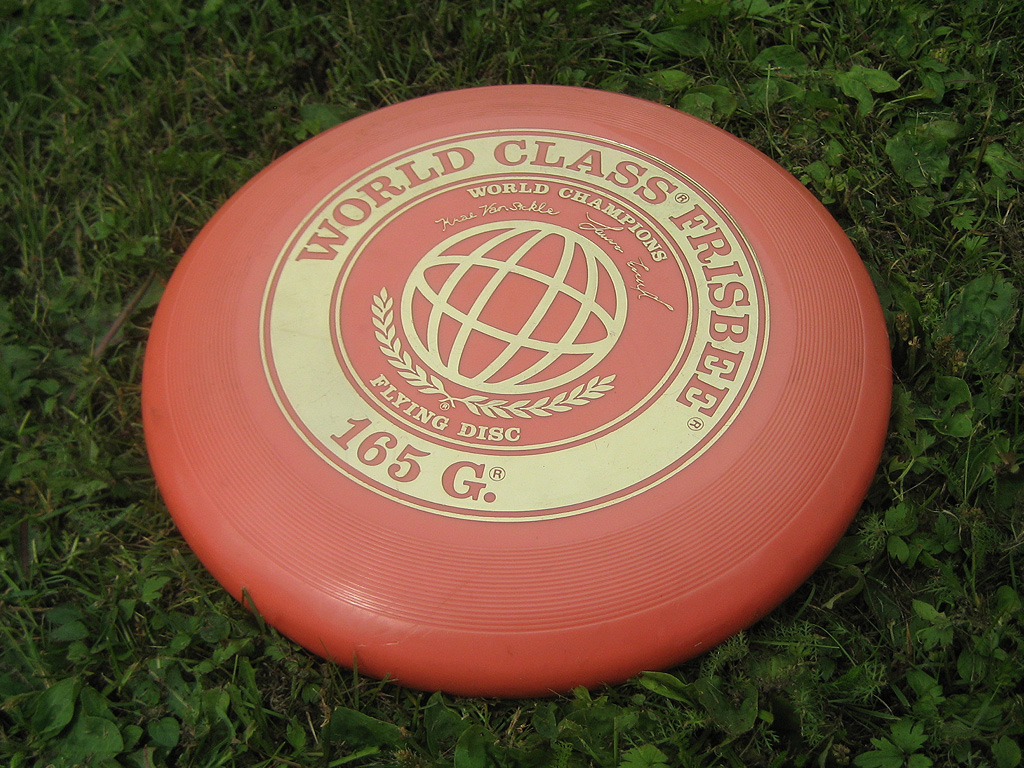
Before it was a toy, it was a pie plate. The Frisbie Pie Company, founded in Bridgeport, Connecticut, in 1871 by William Russell Frisbie, sold its pies in sturdy metal tins stamped with the family name. Empty tins, it turned out, flew beautifully. Workers tossed them around on breaks, and the habit spread to New England college campuses. Yale students get most of the credit in the retelling, supposedly shouting the company name as a warning to anyone in the flight path.
The plastic version came later, from the other side of the country. In 1948, Californian Walter Frederick Morrison and his business partner Warren Franscioni began producing a molded disc they called the Flyin-Saucer, cashing in on the era’s UFO mania. Morrison’s 1955 refinement, the Pluto Platter, caught the eye of the toy company Wham-O, which bought the rights in 1957.
Wham-O soon learned that East Coast students called flying discs frisbies, after the pie tins. The company borrowed the name, tweaked the spelling to Frisbee to steer clear of trademark trouble, and created a staple of beaches and backyards. The Bridgeport pie factory, meanwhile, closed its doors in 1958.
9The Ouija Board
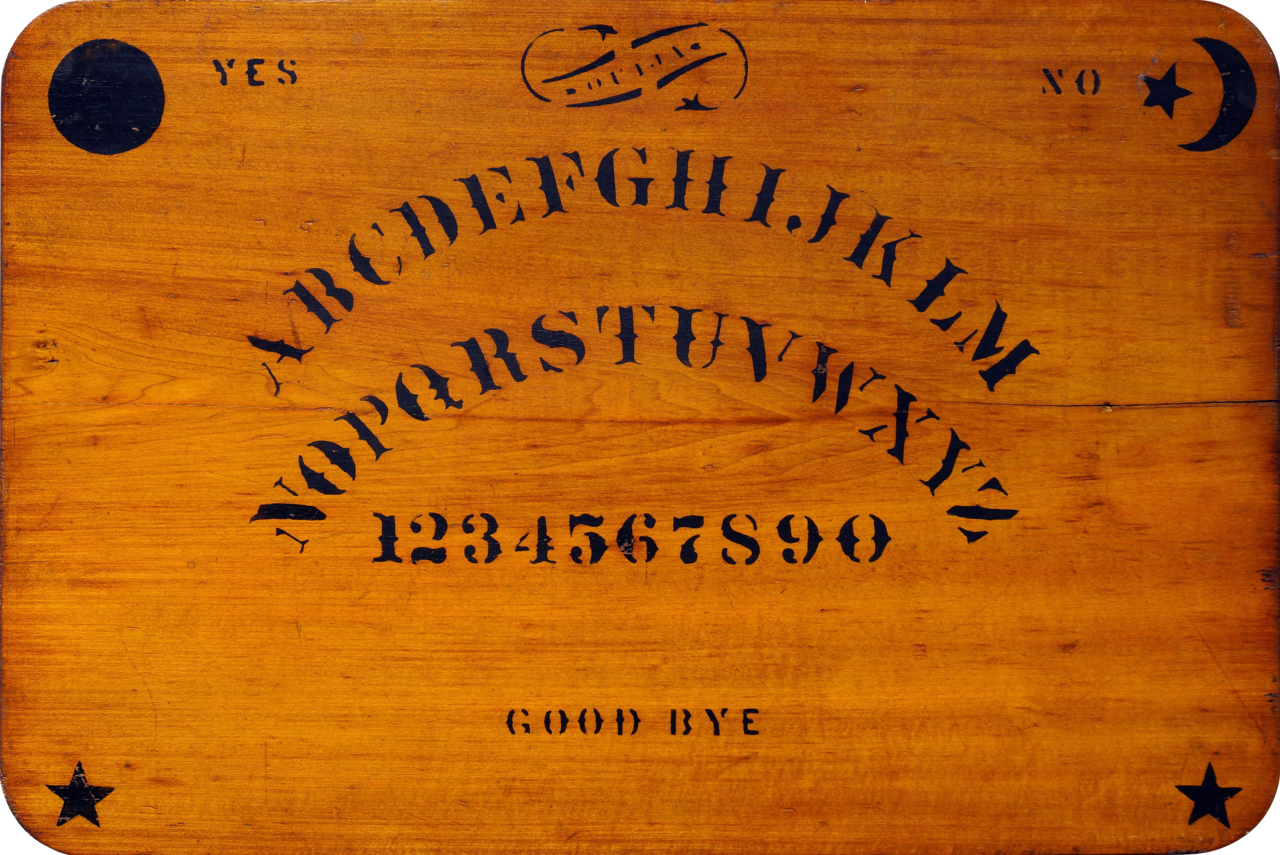
The Ouija board’s origin story is so spooky that it may have doubled as marketing. In 1890, a group of Baltimore investors led by businessman Charles Kennard formed the Kennard Novelty Company to sell talking boards. They were riding a wave of American Spiritualism that had swelled after the Civil War, when grieving families longed to contact the dead.
According to the story the company liked to tell, the board named itself. Helen Peters, the sister-in-law of investor and attorney Elijah Bond, asked it what it should be called, and it spelled O-U-I-J-A, which it claimed meant good luck. Researchers later noted she was reportedly wearing a locket with a picture of the novelist Ouida at the time. Another legend says a skeptical chief patent officer demanded a demonstration and the board correctly spelled his name, though Bond, as a patent attorney, may already have known it. The patent, granted on February 10, 1891, described a toy or game without explaining how it worked.
Production later passed to William Fuld, who made the board a household name. Parker Brothers bought the rights in 1966, and the next year it reportedly sold around two million boards, outselling Monopoly.
8Kleenex
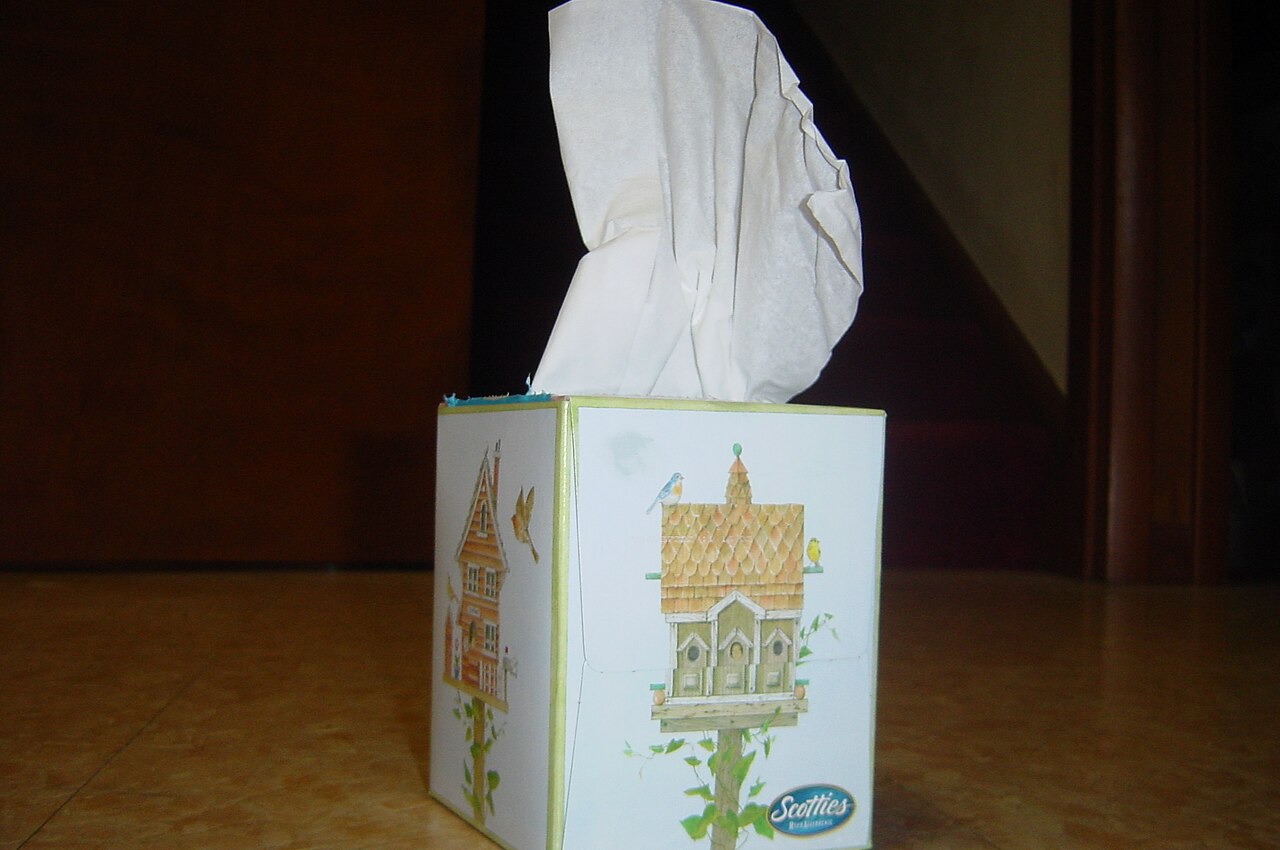
Kleenex began as a war material. During World War I, Kimberly-Clark developed Cellucotton, a creped cellulose wadding that was cheaper and more absorbent than cotton, and it was used as a substitute for surgical cotton in dressings for the wounded. Engineers were even adapting it into a gas-mask filter when the war ended.
Peace left the company with a surplus problem. Its solution, launched in 1924, was a thinner, softer sheet called Kleenex, sold not for noses but as a hygienic way to wipe off cold cream and makeup. Ads leaned on Hollywood glamour, with studio makeup departments and stars such as Jean Harlow lending their endorsement.
Then customers went off-script. Many were using the tissues as disposable handkerchiefs, and a 1926 reader survey by a newspaper in Peoria, Illinois, reportedly found that about 60 percent of users were blowing their noses with them. Kimberly-Clark pivoted. By around 1930 its ads were pitching Kleenex as the handkerchief you can throw away, an idea that also played on fears about spreading germs. The rebrand worked so well that across much of North America, Kleenex is simply the word for tissue.
7Bubble Wrap
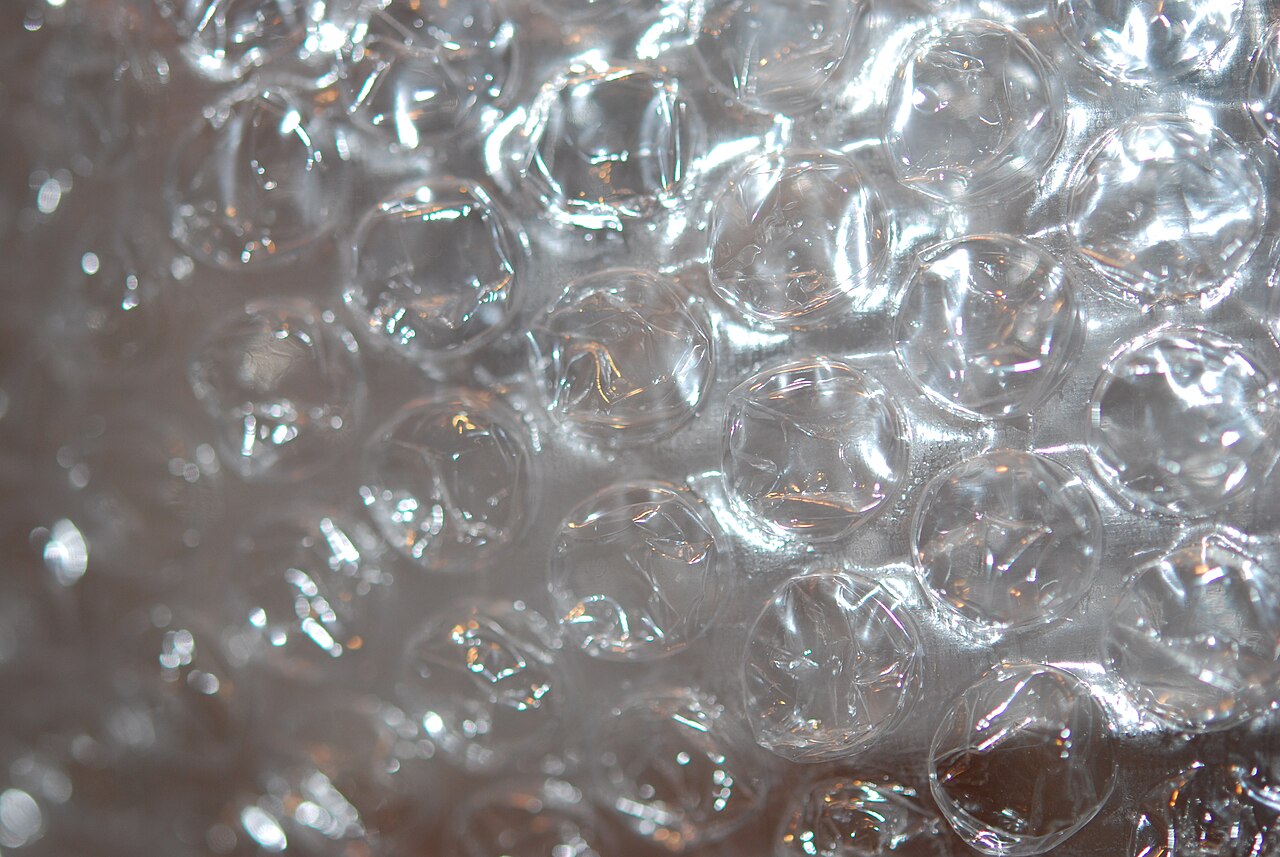
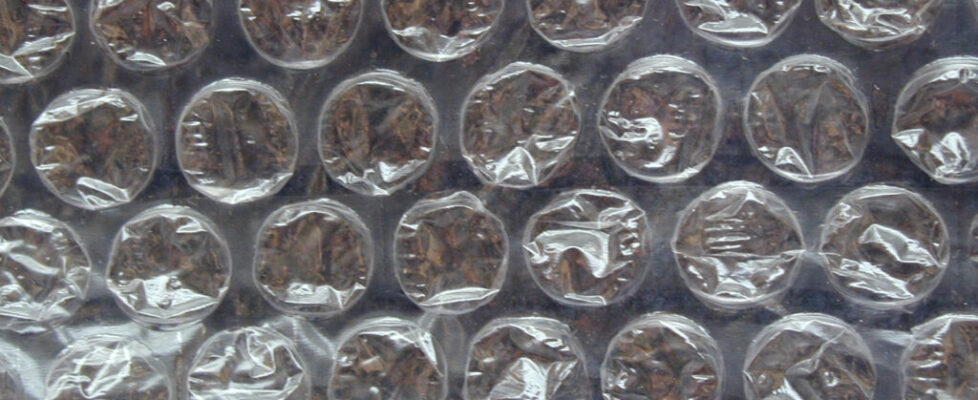
In 1957, two engineers in Hawthorne, New Jersey, Alfred Fielding and Marc Chavannes, sealed two layers of plastic together in a way that trapped neat rows of air bubbles between them. Their goal wasn’t packaging at all. They were trying to invent a textured, three-dimensional plastic wallpaper.
Nobody wanted it on their walls. The wallpaper flopped, so the pair pitched the material as greenhouse insulation, which didn’t take off either. In 1960 they founded the Sealed Air Corporation and kept hunting for a market. The breakthrough came in 1961, when IBM needed a way to protect its new 1401 computer during shipping. The bubbly plastic cushioned the machines beautifully, IBM became its first major packaging customer, and a product that had failed twice found the job it was apparently born for. Today it protects everything from laptops to lightbulbs.
It is also, of course, one of the most satisfying things on Earth to pop, so much so that it has its own holiday. Bubble Wrap Appreciation Day falls on the last Monday of January. It reportedly began after a radio station in Bloomington, Indiana, broadcast the sound of popping the bubble wrap that came packed around a shipment of microphones.
6Graham Crackers
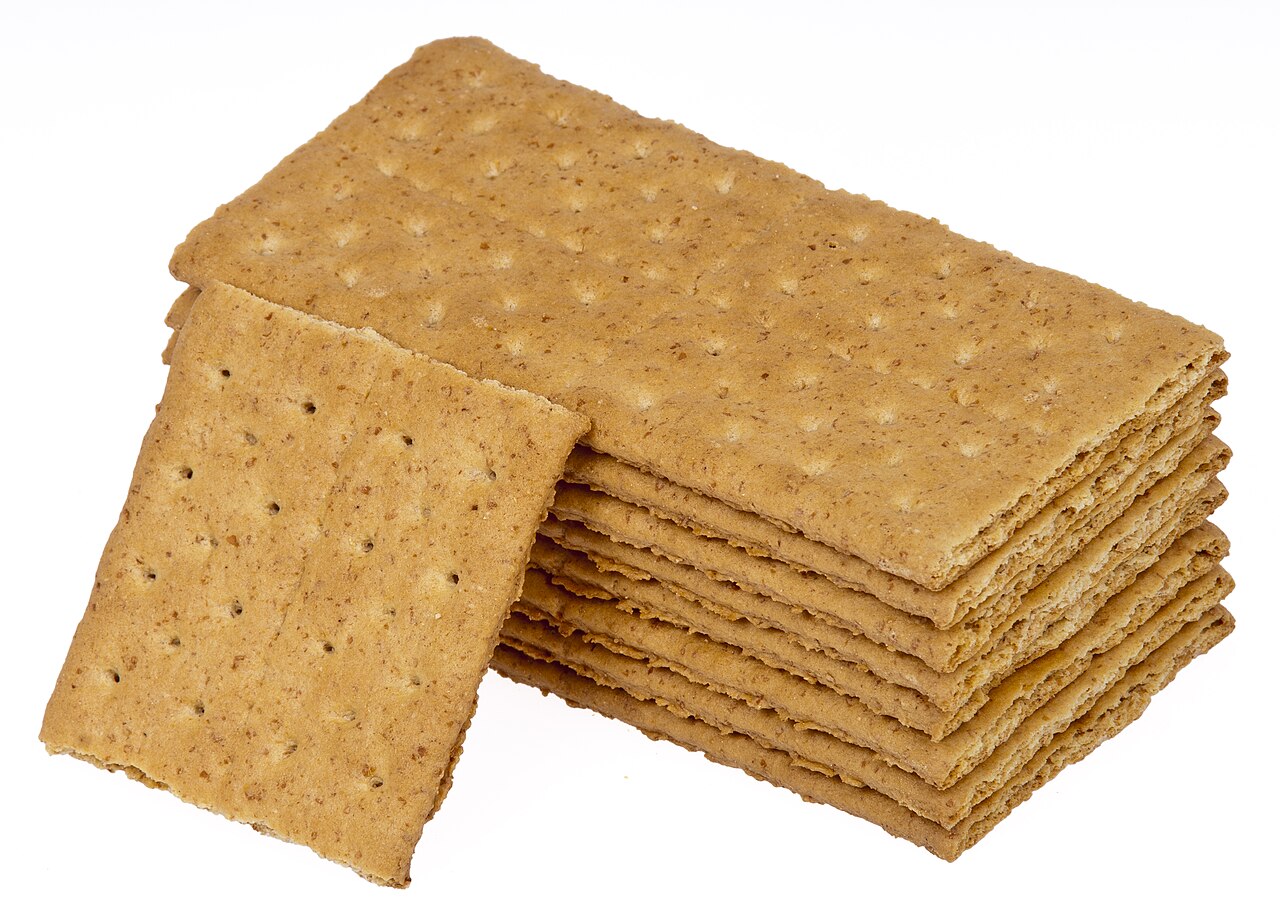
The cracker you crush into cheesecake crusts was inspired by one of 19th-century America’s most intense moral crusaders. Sylvester Graham, a Presbyterian minister born in Connecticut in 1794, preached that rich, spicy and stimulating foods inflamed the body and stirred up impure thoughts, and that a plain diet could keep both health and morals in check.
His prescription was strict: no meat, no spices, no alcohol, and bread baked at home from coarse, unsifted whole-wheat flour. In the 1830s his lectures drew crowds and devoted followers called Grahamites, who even opened boarding houses run on his principles. He also made enemies. In 1837, Boston butchers and commercial bakers, whose products he attacked, showed up to disrupt his lectures, in confrontations often described as riots.
Graham didn’t invent the graham cracker and never profited from it. Followers and later bakers built products around his coarse graham flour, and the National Biscuit Company, later Nabisco, began mass-producing graham crackers in 1898. Over time the recipe picked up refined flour, sugar and honey, the very indulgences Graham railed against. His ideas about plain whole grains also influenced John Harvey Kellogg, the sanitarium doctor whose name ended up on cereal boxes.
5Listerine
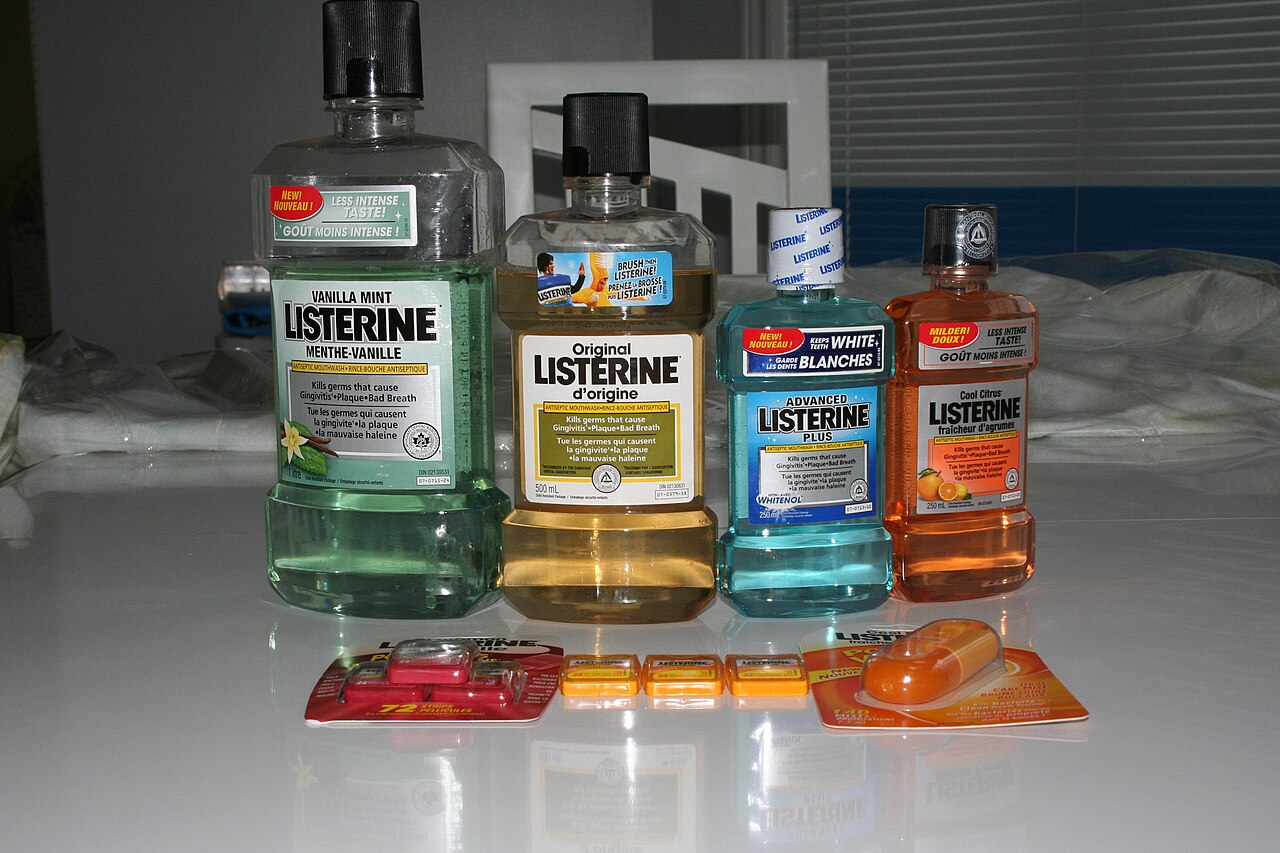
Listerine was born in an era when doctors were just learning to fight germs. In 1879, St. Louis chemist Joseph Lawrence formulated an alcohol-based antiseptic for surgery and named it after Joseph Lister, the British surgeon whose antiseptic methods were transforming operating rooms. Lister himself had no part in creating it.
Lawrence licensed the formula in 1881 to pharmacist Jordan Wheat Lambert, whose Lambert Pharmacal Company marketed it as a general germicide. Over the years it was promoted for an eyebrow-raising range of jobs, including, in distilled form, as a floor cleaner and a treatment for gonorrhea. In 1895 it was pitched to dentists for oral care, and in 1914 it became the first over-the-counter mouthwash sold in the United States.
The real boom came in the 1920s, when ads seized on halitosis, an obscure medical term for bad breath, and turned it into a social menace. The ads featured lonely young men and women whose romantic prospects were doomed by breath they didn’t know they had. It worked spectacularly. By one widely cited account, the company’s revenue climbed from about $115,000 to more than $8 million in just seven years.
4Coca-Cola
The world’s most famous soft drink started as a medicine, created by a man searching for relief. John Pemberton, a pharmacist and Confederate veteran, was wounded in 1865 and went on to struggle with morphine addiction. Like many druggists of his day, he experimented with tonics built around coca leaves and kola nuts, both prized as stimulants.
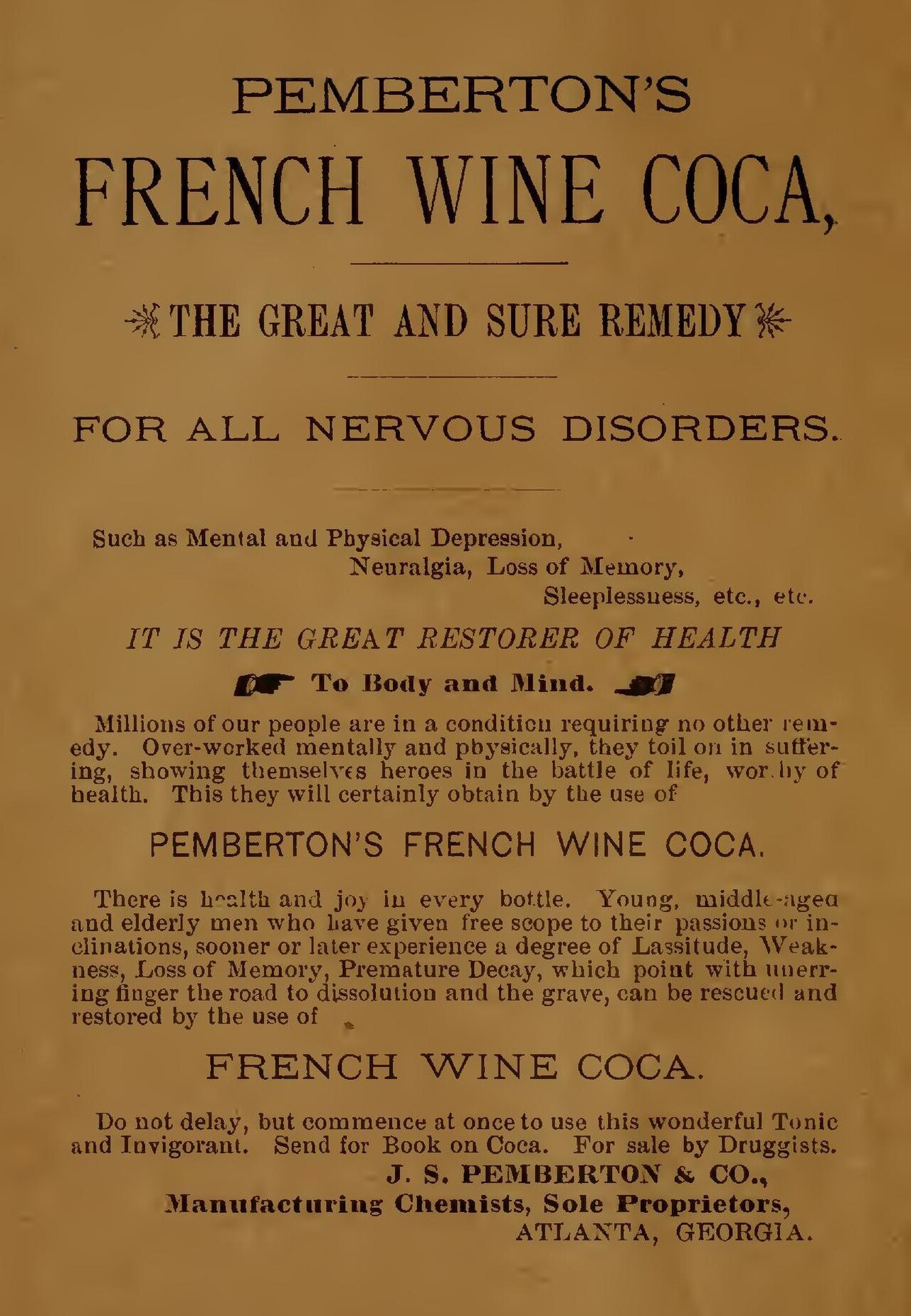
In 1885 he registered Pemberton’s French Wine Coca, an alcoholic coca nerve tonic modeled on a popular European drink. When Atlanta and Fulton County passed prohibition laws in 1886, he reworked it into a nonalcoholic syrup mixed with carbonated water. His bookkeeper, Frank Robinson, named it Coca-Cola and wrote out the flowing script logo still used today. It went on sale at Jacobs’ Pharmacy in Atlanta on May 8, 1886, for five cents a glass.
Pemberton sold it as a patent medicine, claiming it helped with headaches, nervous disorders and indigestion, and even morphine addiction and impotence. And yes, the early formula contained cocaine from coca leaves. Fresh leaves were dropped in 1903, after which the company used spent leaves with the cocaine removed. Pemberton, ailing and short on money, sold off his stake before he died in 1888, and businessman Asa Candler turned the drink into a national brand.
3Monopoly
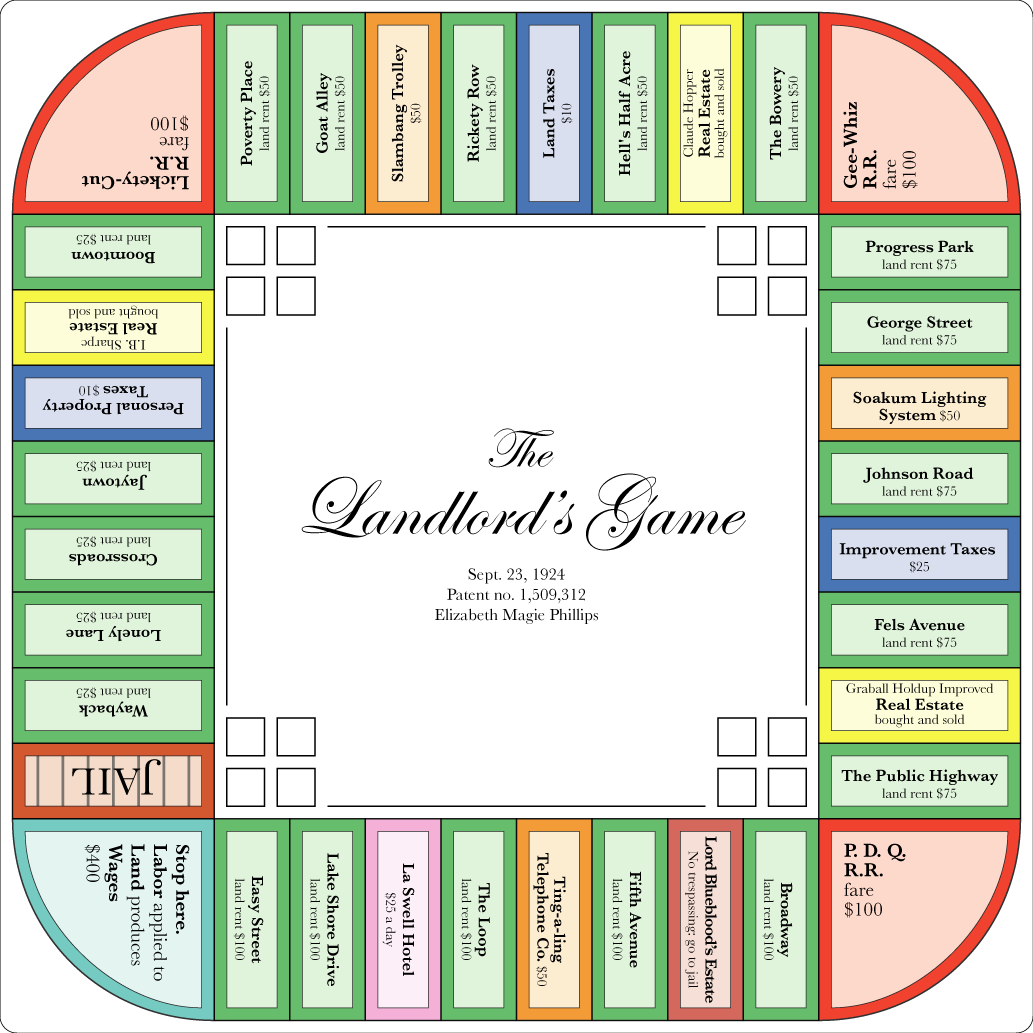
Monopoly was designed to make you hate monopolies. Its true ancestor is The Landlord’s Game, patented on January 5, 1904, by Lizzie Magie, a writer, stenographer and inventor who followed the economist Henry George. George argued that land speculation and rent concentrated wealth in a few hands, and he proposed a single tax on land values to fix it.
Magie’s board looped around the edges with properties, railroads, utilities and a corner where you could be sent to jail. Later editions included two sets of rules: a monopolist version, in which you win by bankrupting everyone else, and an anti-monopolist version, later called Prosperity, in which everyone gains when wealth is created. Guess which one caught on. Homemade copies spread among college students and Quaker communities, including in Atlantic City, where players renamed the properties after local streets.
In the 1930s, Charles Darrow sold a version to Parker Brothers and was credited for decades as Monopoly’s sole inventor. Parker Brothers bought one of Magie’s patents in 1935 for $500. Her role was largely forgotten until the 1970s, when economics professor Ralph Anspach, locked in a legal fight with Parker Brothers over his own game, Anti-Monopoly, dug up her patents.
2Play-Doh
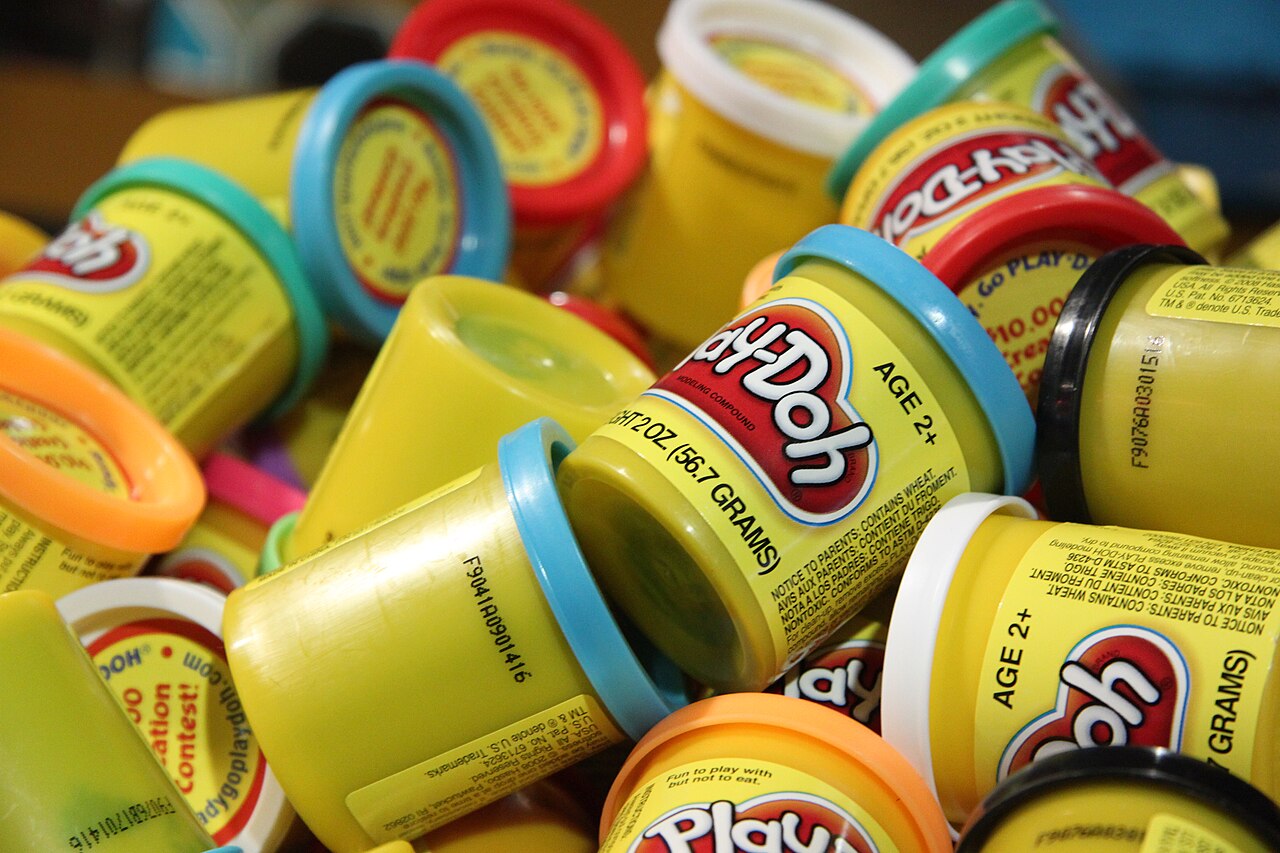
In the 1930s, many American homes were heated with coal, and coal left a greasy film of soot on wallpaper that couldn’t be washed with water. Cincinnati soap maker Kutol Products had a fix: a soft, doughy putty you rolled across the walls to lift the grime. Noah McVicker developed the compound, reportedly at the request of the grocery chain Kroger.
After World War II, that market evaporated. Homes switched to cleaner oil and gas heat, and washable vinyl wallpaper arrived. Kutol was struggling until Kay Zufall, a nursery school teacher and the sister-in-law of Noah’s nephew Joe McVicker, read that children were using wallpaper cleaner as modeling clay. She tried it with her own students, persuaded the McVickers to sell it as a toy, and she and her husband came up with the name Play-Doh.
The McVickers formed Rainbow Crafts in 1956 and reformulated the putty for kids. It was first sold in off-white, with red, yellow and blue following soon after, and in 1957 it was advertised on the children’s TV show Captain Kangaroo. General Mills bought Rainbow Crafts in 1965 for $3 million, and the brand now belongs to Hasbro.
1The Chainsaw
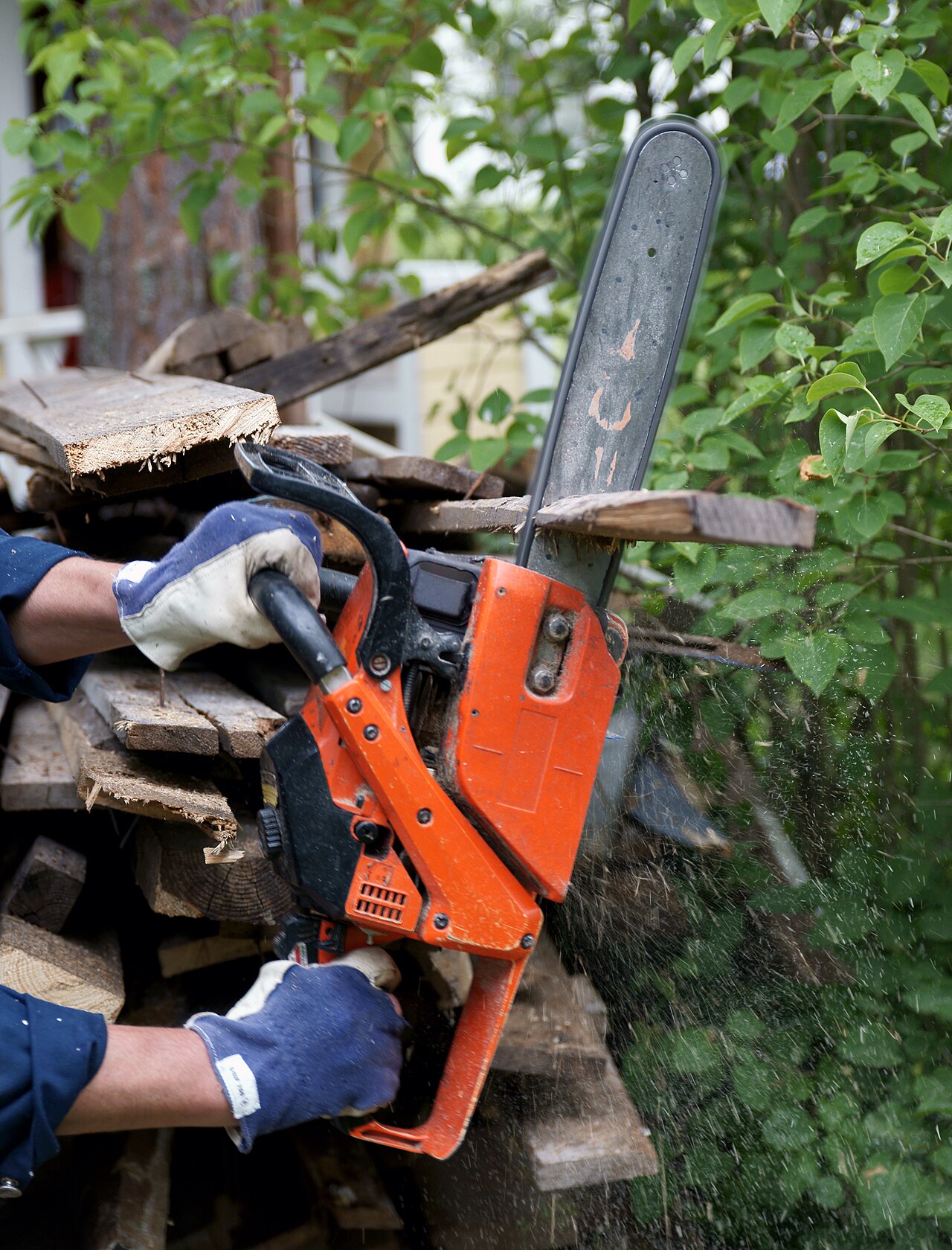
Long before it felled redwoods or starred in horror movies, the chainsaw was a medical instrument, designed to help women survive childbirth. In the late 18th century, obstructed labor was a life-threatening emergency. Cesarean sections were rarely survivable, and doctors had few good options when a baby could not pass through the mother’s pelvis.
One procedure, called symphysiotomy, widened the birth canal by dividing the joint at the front of the pelvis. Around 1783 to 1785, Scottish doctors John Aitken and James Jeffray developed a fine serrated chain held between two handles, which could be drawn back and forth to make that cut more cleanly and quickly than a knife. Aitken illustrated the idea in a 1785 edition of his textbook on midwifery, while Jeffray promoted the saw for removing diseased bone. The flexible chain saw stayed in surgical kits for about a century, until the Gigli wire saw replaced it in the 1890s.
Around 1830, German orthopedist Bernhard Heine added a guide blade and a sprocket turned by a handle, creating a bone-cutting osteotome that looks like a clear ancestor of the modern machine. Lumberjacks caught on much later. Patents for timber-cutting chain saws appeared from the late 1800s, and Andreas Stihl patented an electric chainsaw in 1926 and a gasoline-powered one in 1929.
Second Acts and Strange Beginnings
The pattern is hard to miss. A product gets built for one job, customers quietly find a better one, and the companies smart enough to listen end up with household names. Wartime surpluses, moral panics, patent medicines and outright flops all turned out to be surprisingly fertile ground. Even the chainsaw, owner of the most alarming résumé on this list, earned its place by solving a desperate human problem first.
If you love origin stories like these, you’ll enjoy our countdown of famous inventions discovered completely by accident. And for more stranger-than-fiction history, browse these bizarre medical treatments from history, where tonics like early Coca-Cola were only the beginning.
Quick answers
Was the chainsaw invented for childbirth?
In a sense, yes. In the 1780s, Scottish doctors John Aitken and James Jeffray developed a flexible chain saw with handles to make a pelvis-widening procedure called symphysiotomy faster during obstructed labor, and to remove diseased bone. Motorized chainsaws for cutting timber came much later, with key patents in the early 20th century.
Who really invented Monopoly?
Monopoly grew out of The Landlord’s Game, which Lizzie Magie patented in 1904 to illustrate economist Henry George’s ideas about land and wealth. Charles Darrow sold a version to Parker Brothers in the 1930s and was long credited as the inventor. Parker Brothers bought one of Magie’s patents for $500 in 1935.
What was Play-Doh originally used for?
Play-Doh began in the 1930s as a wallpaper cleaner made by Cincinnati’s Kutol Products, used to roll coal soot off walls. When coal heat and non-washable wallpaper faded after World War II, nursery school teacher Kay Zufall suggested selling it as a modeling toy. It launched as Play-Doh in the mid-1950s.
Sources, further reading & photo credits
- Bubble wrap — Wikipedia
- Frisbee — Wikipedia
- Ouija — Wikipedia
- Facial tissue — Wikipedia
- Bubble Wrap (brand) — Wikipedia
- Graham cracker — Wikipedia
- Listerine — Wikipedia
- John Stith Pemberton — Wikipedia
- The Landlord’s Game — Wikipedia
- Play-Doh — Wikipedia
- Chainsaw — Wikipedia
Cover image: User Consequencefree on en.wikipedia · CC BY-SA 3.0 · via Wikimedia Commons. Photos throughout this list are sourced from Wikimedia Commons under the licenses noted in each caption.