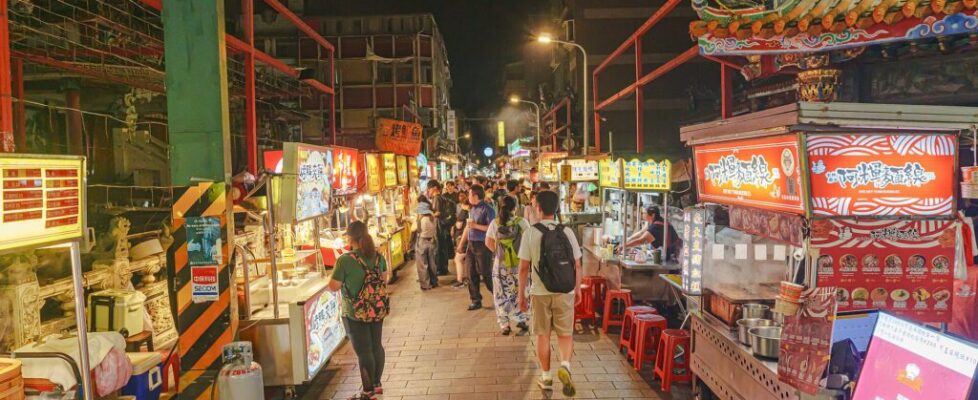
10 of the Weirdest Foods People Actually Eat

One person’s delicacy is another person’s dare. Somewhere right now, an Icelander is chasing a cube of fermented shark with a shot of schnapps, a Filipino commuter is sipping broth straight from a duck egg, and a Sardinian shepherd is shielding his sandwich from cheese that can jump.
This countdown of the weirdest foods around the world isn’t about mocking anyone’s dinner. Every dish here is cherished by somebody, usually for very good reasons: surviving brutal winters, stretching scarce protein, honoring deep tradition, or simply delivering flavors that outsiders rarely stick around long enough to appreciate. For each one, we’ll cover what it tastes and smells like, where to try it, and why it exists at all. Bring an open mind (and maybe a breath mint).
10Hákarl (Iceland)
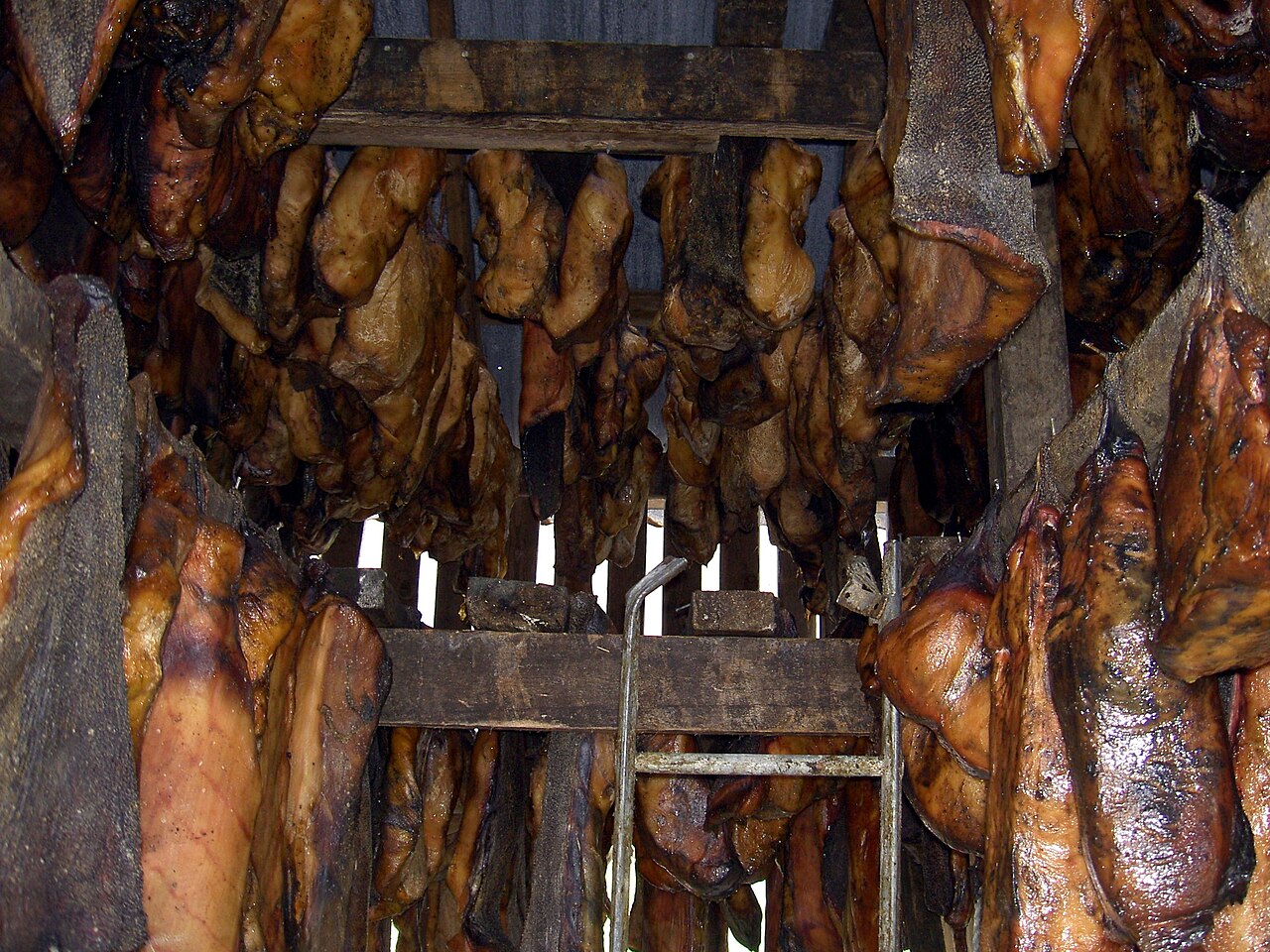
Fresh Greenland shark will make you sick. Its flesh is loaded with urea and trimethylamine oxide, compounds that help the animal cope with frigid deep water and make the raw meat toxic to people. Iceland’s solution, worked out by generations of coastal families who couldn’t afford to waste food, was patience.
Traditionally, the gutted shark was buried in a shallow pit of gravelly sand and weighed down with stones so its fluids could drain while it fermented for roughly six to twelve weeks. Then it was cut into strips and hung in an open-air drying shed for several more months, until a brown crust formed. Trim off the crust, cube the pale meat, and you have hákarl.
The first thing that hits you is ammonia, sharp enough to make your eyes water. The taste is gentler than the smell: chewy, fishy and faintly cheesy, with a finish that hangs around. Icelanders traditionally eat it at Þorrablót, the midwinter feast, often chased with a shot of Brennivín, a caraway-flavored spirit. To see it made, visit the Bjarnarhöfn Shark Museum on the Snæfellsnes peninsula, where a toothpick-sized sample is part of the tour.
9Nattō (Japan)
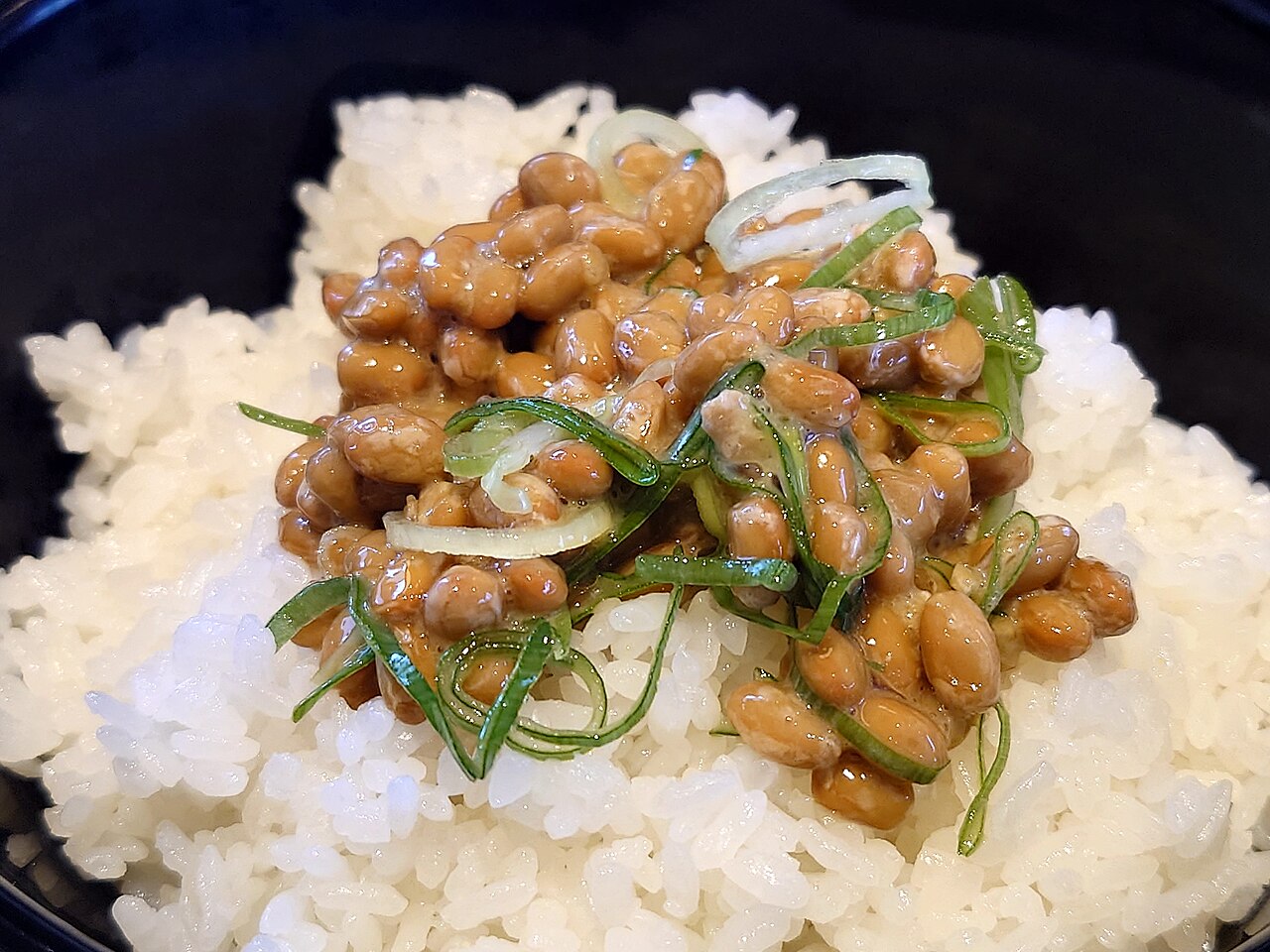
Lift a spoonful of nattō and it follows you. Gossamer threads stretch from the bowl to your mouth, glistening like spider silk, while a smell somewhere between ripe cheese, old socks and roasted nuts drifts upward. For millions of Japanese people, this is breakfast.
Nattō is whole soybeans fermented with Bacillus subtilis var. natto, a bacterium that turns the beans sticky and pungent. One popular legend credits the samurai Minamoto no Yoshiie, whose troops supposedly packed boiled soybeans in straw bags during an 11th-century campaign and found them fermented and, to everyone’s surprise, rather good. True or not, rice straw served as the traditional starter for centuries, until researchers in the early 20th century learned to produce the culture without it and made commercial production far more reliable.
To eat it, stir hard (more strings, more flavor, say devotees), add the little packets of mustard and soy sauce, and pour it over hot rice. The taste is savory, earthy and faintly bitter, and the texture is the real test. It’s hugely popular in eastern Japan, including around Tokyo, and noticeably less loved in the Kansai region around Osaka. Any Japanese convenience store sells it in small foam tubs for pocket change.
8Stinky Tofu (Taiwan)
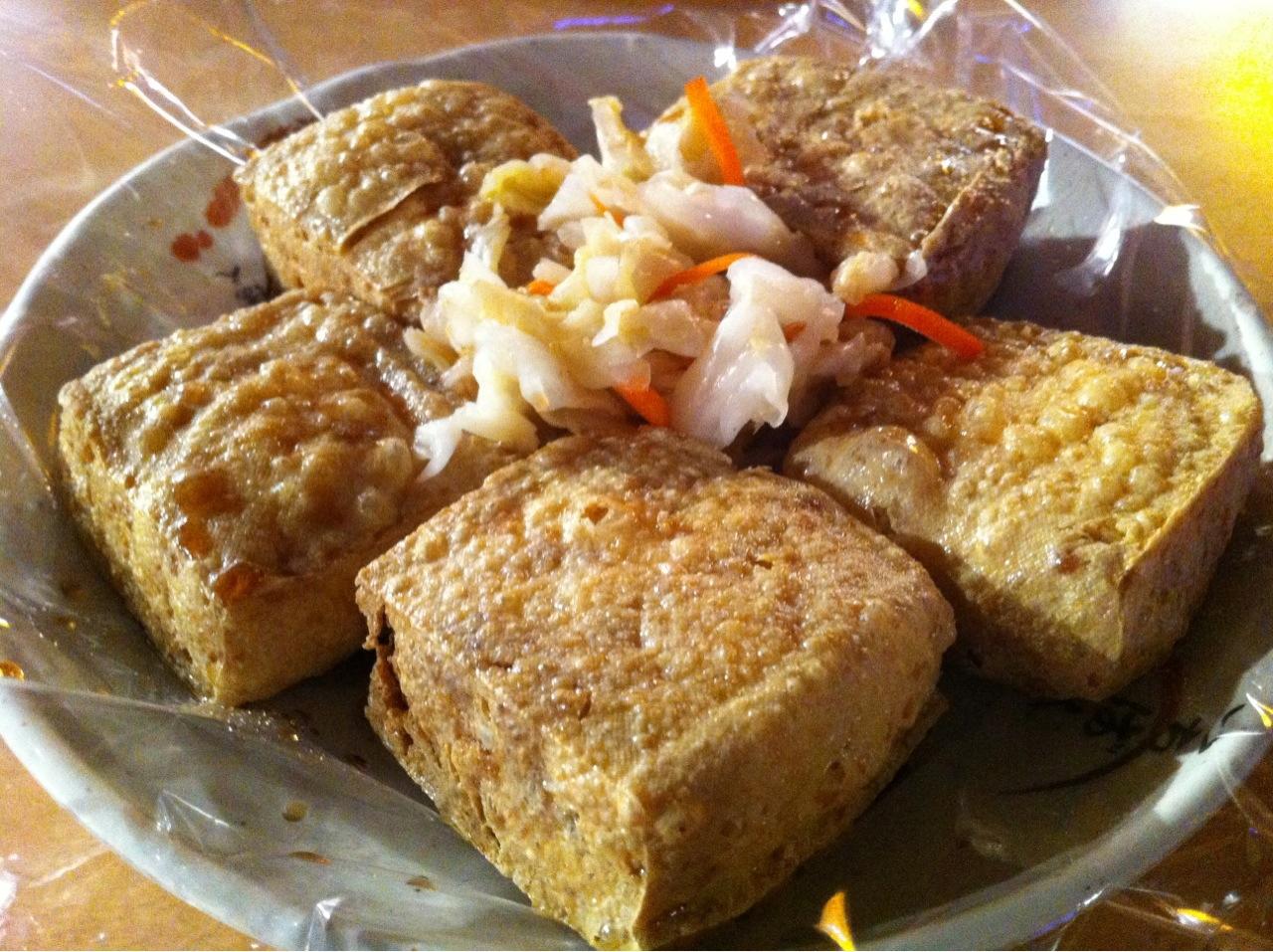
You smell it long before you see it. Walk through a Taiwanese night market and a funk usually reserved for gym bags, compost and hot garbage will roll toward you from half a block away. Follow it, and you’ll find a stall with a line.
Stinky tofu, or chòu dòufu, is fresh bean curd soaked in a fermented brine. Recipes are closely guarded, but traditional brines can include fermented milk, vegetables, meat, dried shrimp, bamboo shoots and herbs, sometimes aged for months. Factory versions shortcut the soak to a day or two. A popular legend credits a failed imperial exam candidate named Wang Zhihe, who supposedly stashed unsold tofu in a jar during the Qing dynasty and opened it later to a pungent surprise.
Deep-fried, the cubes turn golden and crackly outside and custardy within, with a savory tang closer to blue cheese than to anything the aroma suggests. In Taiwan it’s served with sweet-sour pickled cabbage and garlic or chili sauce. Try it at Taipei’s Shilin Night Market, or head to Shenkeng Old Street in New Taipei, a lane so devoted to the stuff that it’s practically a pilgrimage. In Changsha, in China’s Hunan province, the local version is fried until it turns jet black.
7Durian (Southeast Asia)
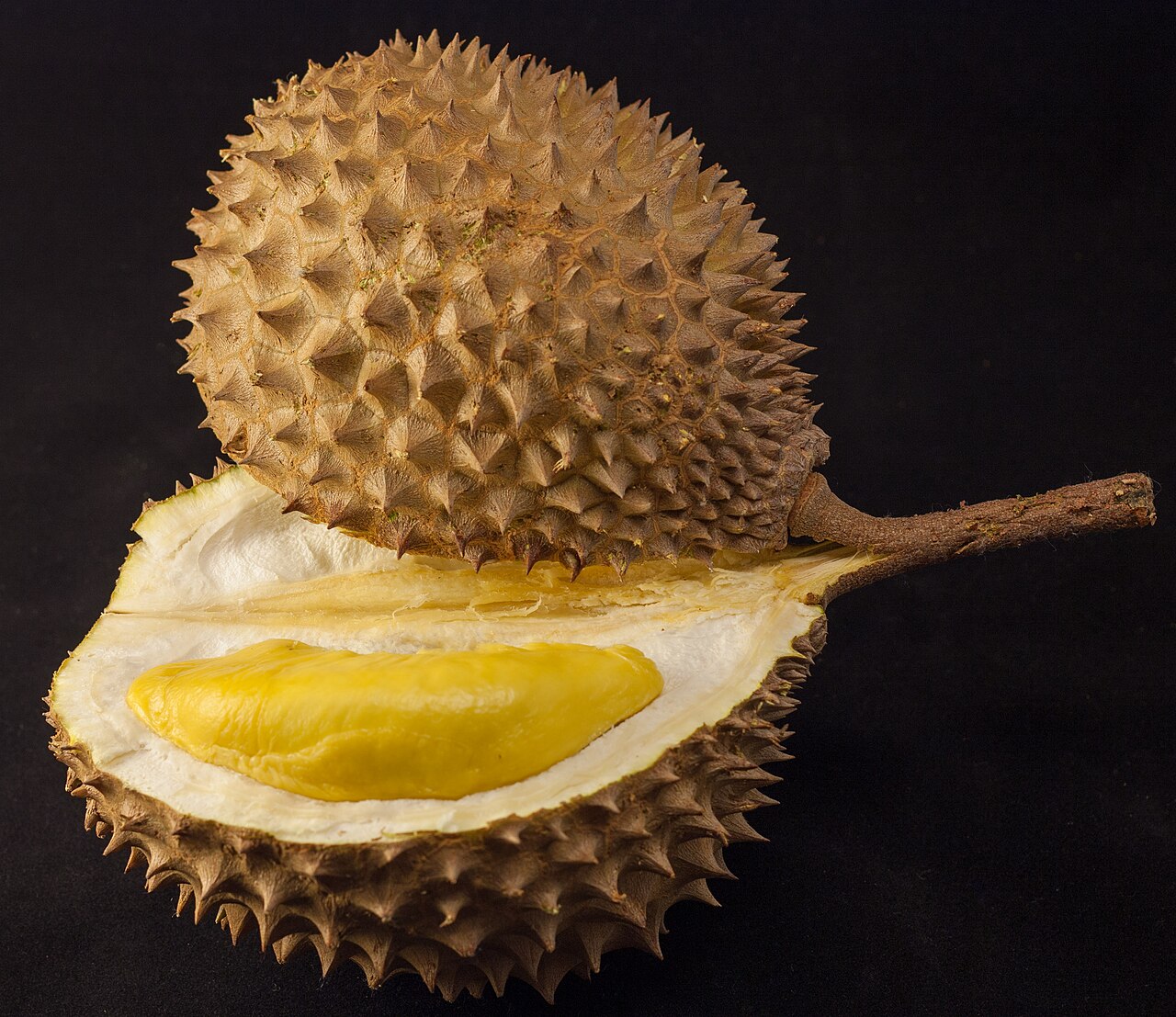
In May 2019, roughly 550 people filed out of a University of Canberra library in a matter of minutes while firefighters investigated a suspected gas leak. The culprit turned out to be a durian left near an air vent. A year earlier, a similar scare emptied a library at RMIT University in Melbourne.
That’s the durian’s reputation in a nutshell, or rather a husk: a football-sized fruit armored with sharp spikes, typically weighing 1 to 3 kilograms, with an aroma people compare to rotting onions, turpentine and sweaty socks. Scientists trace it to dozens of volatile compounds, including sulfur-containing ones that smell of onion, garlic and skunk. Singapore’s public transit famously bans the fruit, and plenty of Southeast Asian hotels post no-durian signs.
And yet across Malaysia, Thailand and Indonesia, the durian is hailed as the king of fruits. Pry it open and the flesh is soft and creamy, tasting of caramel, vanilla and almond with a savory, almost garlicky undertone. The Victorian naturalist Alfred Russel Wallace, put off at first by the smell, became an outspoken fan after eating durian in Borneo. To try it, find a roadside durian stall in Penang or Kuala Lumpur in season and ask for the prized Musang King variety.
6Century Egg (China)
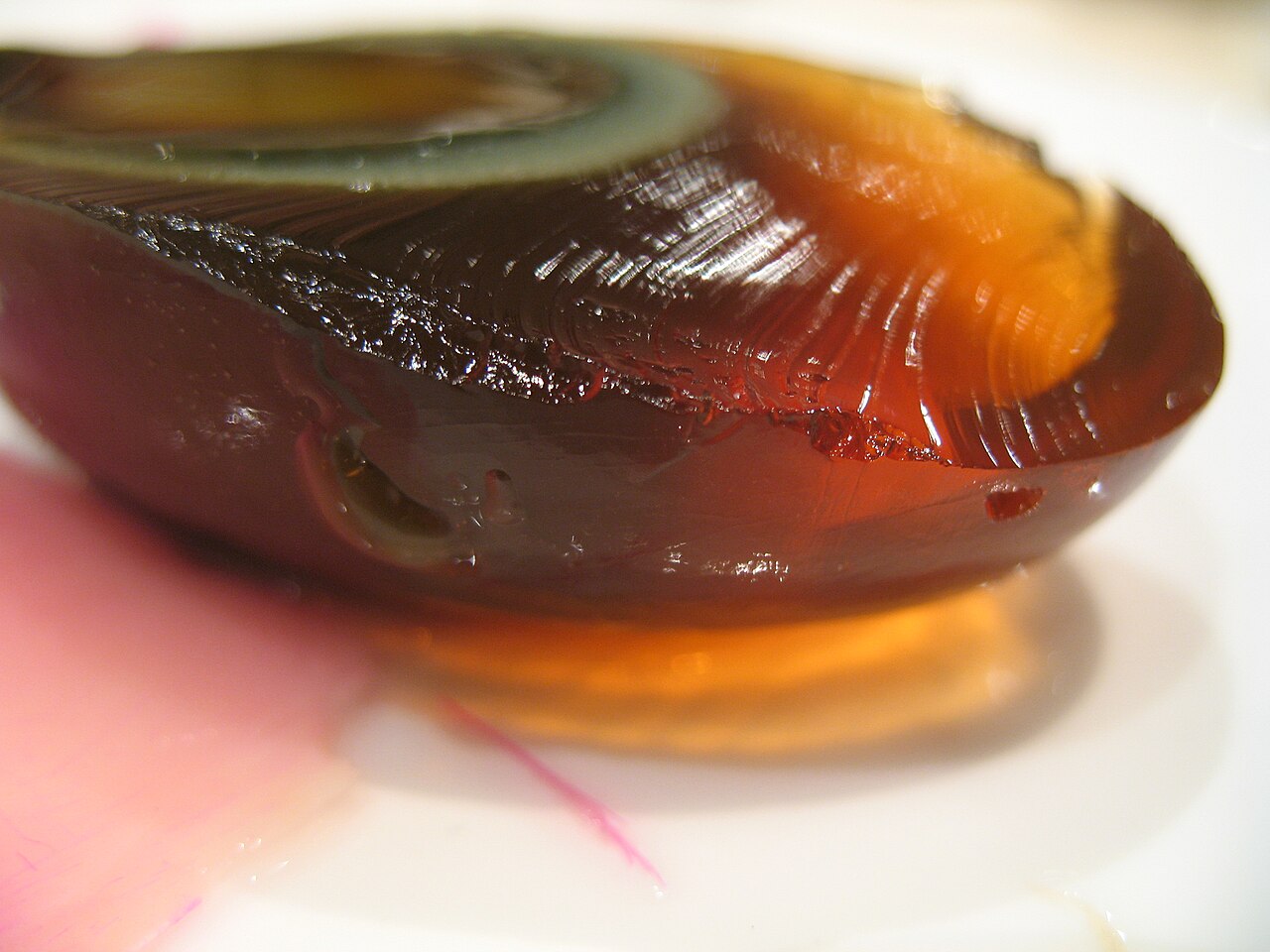
Peel back the shell and the egg inside looks like something unearthed at a dig site. The white has turned into translucent, amber-brown jelly. The yolk is creamy and dark gray-green. On the best ones, delicate crystal patterns resembling pine branches decorate the surface.
Despite nicknames like hundred-year egg and thousand-year egg, pídàn is cured for a few weeks to a few months. Duck, chicken or quail eggs are coated in an alkaline mix of clay, ash, salt, quicklime and rice hulls, which slowly pushes the egg’s pH as high as 12. That chemistry breaks proteins and fats into smaller, intensely flavorful compounds, and releases whiffs of ammonia and sulfur when you crack one open. Folk tales place its origin in Hunan during the Ming dynasty, when someone supposedly discovered duck eggs that had sat for months in slaked lime.
The taste is rich, salty and deeply savory, with a yolk like a pungent, creamy cheese. Classic pairings include chilled silken tofu dressed with soy sauce and sesame oil, or a bowl of rice congee with lean pork. Pick them up at any Chinese grocery, or order them at dim sum restaurants from Hong Kong to Taipei.
5Escamoles (Mexico)
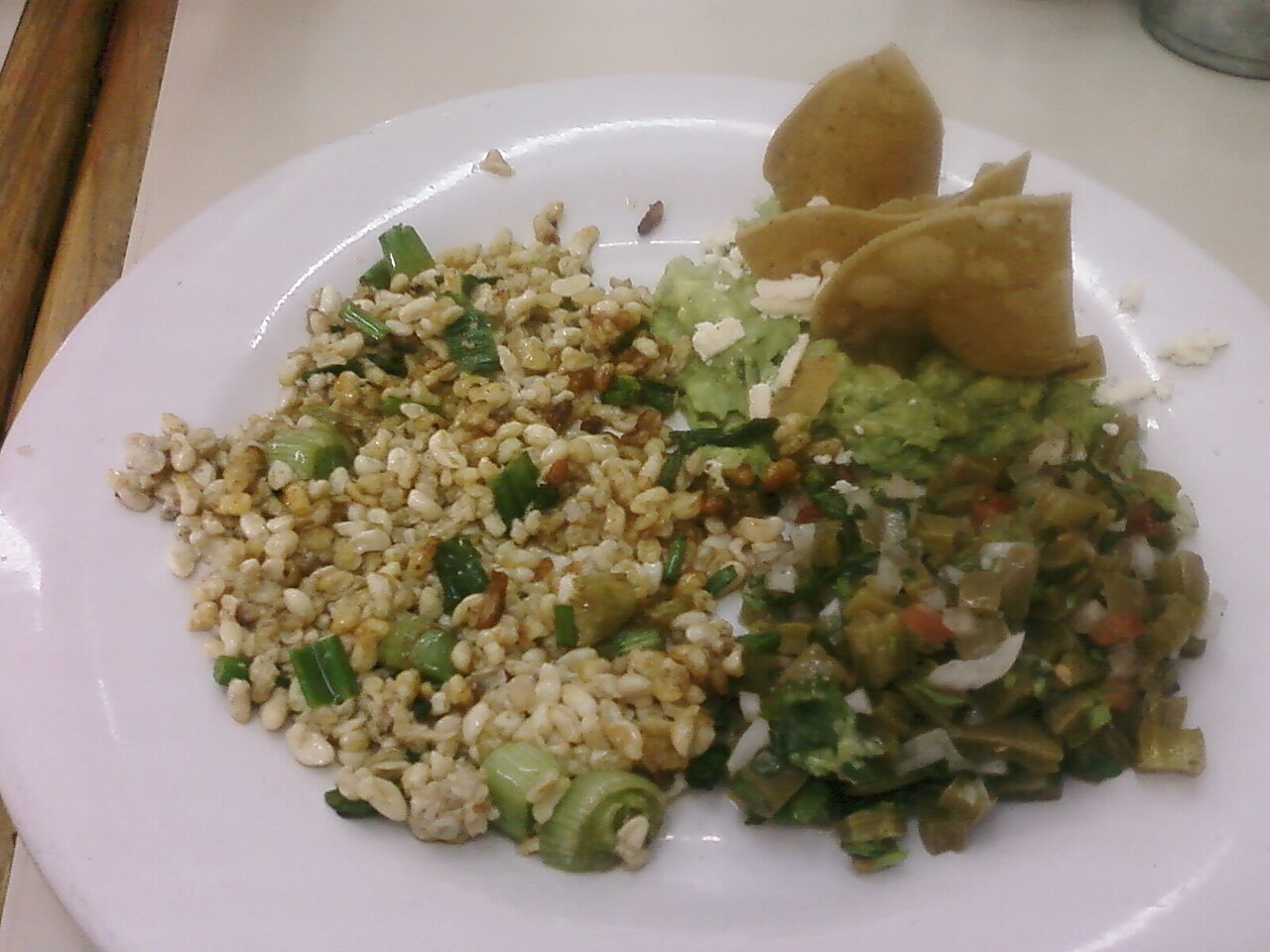
Harvesting one of Mexico’s most luxurious delicacies means digging into an underground nest of aggressive ants, often at the base of a maguey plant, and scooping out their pale offspring while trying not to get stung. The prize is escamoles: the larvae and pupae of Liometopum ants, often called insect caviar.
People in central Mexico have eaten them since Aztec times, and the name comes from the Nahuatl words for ant and sauce. The season is short, generally March and April, and the harvest is hard work, which is why escamoles command premium prices at markets and restaurants. In Hidalgo, where they’re a point of local pride, menus fill up with them every spring.
If you’re picturing something crunchy, think again. Escamoles look like plump grains of white rice or pine nuts, and the texture is soft, a little like cottage cheese or risotto. The flavor is mild, buttery and nutty, and some eaters detect a hint of fresh corn. The classic preparation is simple: sautéed in butter with onion, chile and herbs, then spooned into a warm tortilla. Look for them in season at markets in Hidalgo or at upscale restaurants in Mexico City.
4Fried Tarantulas (Skuon, Cambodia)
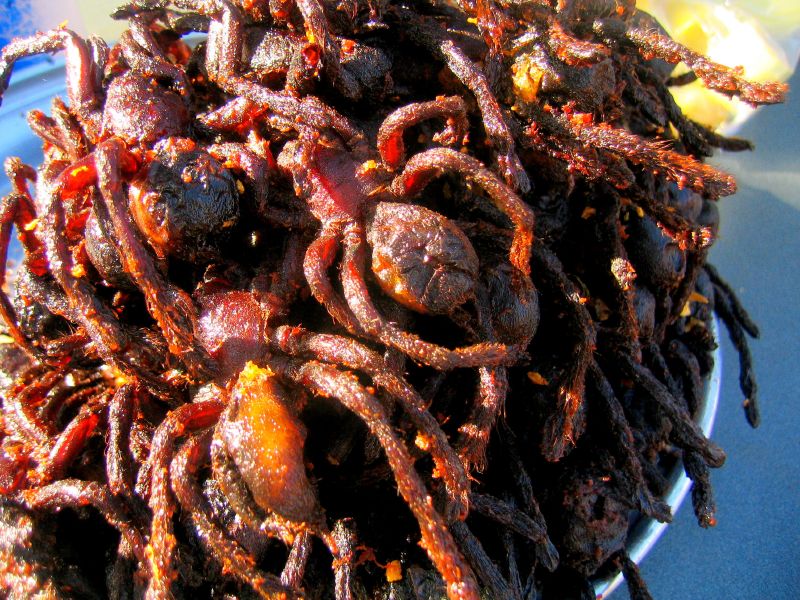
On the highway north of Phnom Penh, buses pull over in the market town of Skuon, and vendors appear at the windows balancing platters piled high with glossy black spiders. Welcome to the place travelers have nicknamed Spiderville.
The spiders are tarantulas, generally identified as the Thai zebra tarantula, a palm-sized species called a-ping in Khmer. They’re bred in burrows in nearby villages or foraged from the forest, then tossed with salt, sugar and seasoning and fried with garlic until the legs turn crisp. Nobody knows exactly how the tradition started. One widely repeated explanation is that people began eating them out of necessity during the Khmer Rouge years of the late 1970s, when food was desperately scarce. Necessity eventually turned into genuine fondness.
Eaters describe the legs as crunchy and salty, like a well-seasoned bar snack, while the head and body hold soft white meat with a mild flavor somewhere between chicken and white fish. The abdomen is the divisive part: gooey, brownish and strongly flavored, and plenty of people skip it. To try one, stop at Skuon’s market, roughly 75 kilometers from the capital on the road toward Kampong Cham, where a single spider costs very little.
3Surströmming (Sweden)
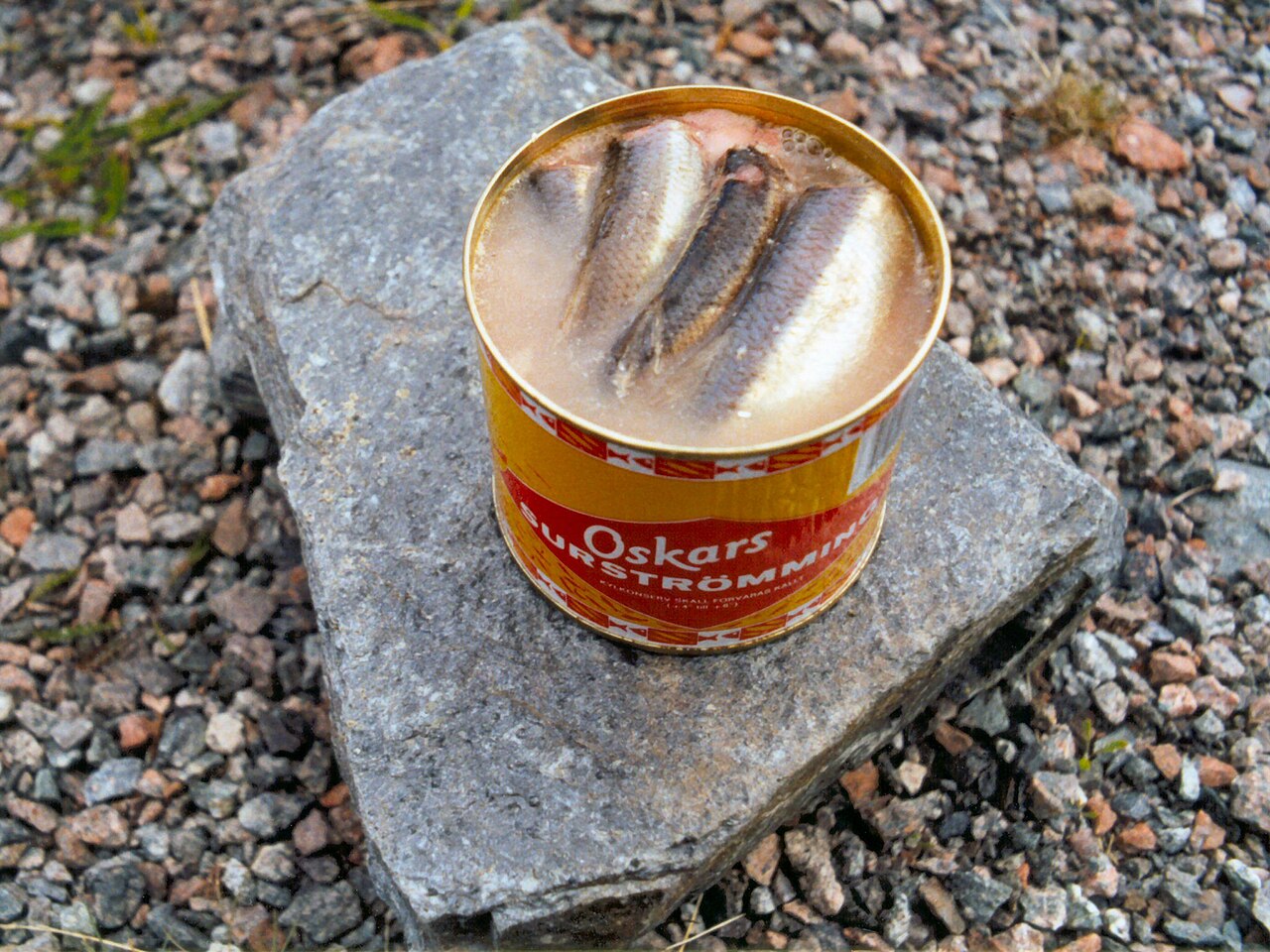
Swedes have a rule for opening a can of surströmming: do it outdoors. Some puncture the tin underwater in a bucket, because the brine can spray, and the smell that escapes is among the most notorious in the food world, often compared to rotten eggs, vinegar and a neglected fish market.
The dish is Baltic herring, lightly salted and left to ferment for months. Fermentation continues after canning, so the tins slowly swell into domes on the shelf. That pressure is why several airlines banned surströmming from flights in 2006, citing the risk of bursting cans. It has even been to court: in 1984, a Cologne court upheld a landlord’s eviction of a tenant who had spread the brine around the building, after the landlord’s side opened a can in the courtroom to make its case.
In Norrland, the northern half of Sweden, surströmming is a social ritual. Shops begin selling the new season’s fish on the third Thursday of August, a date set by a 1940s ordinance that no longer applies but is still honored. Fans wrap the fillets in thin tunnbröd flatbread with potatoes and chopped red onion, washed down with cold beer or snaps. The flavor is intensely salty and sour, and far milder than the smell. Join a late-summer surströmming party on the High Coast to try it properly.
2Balut (Philippines)
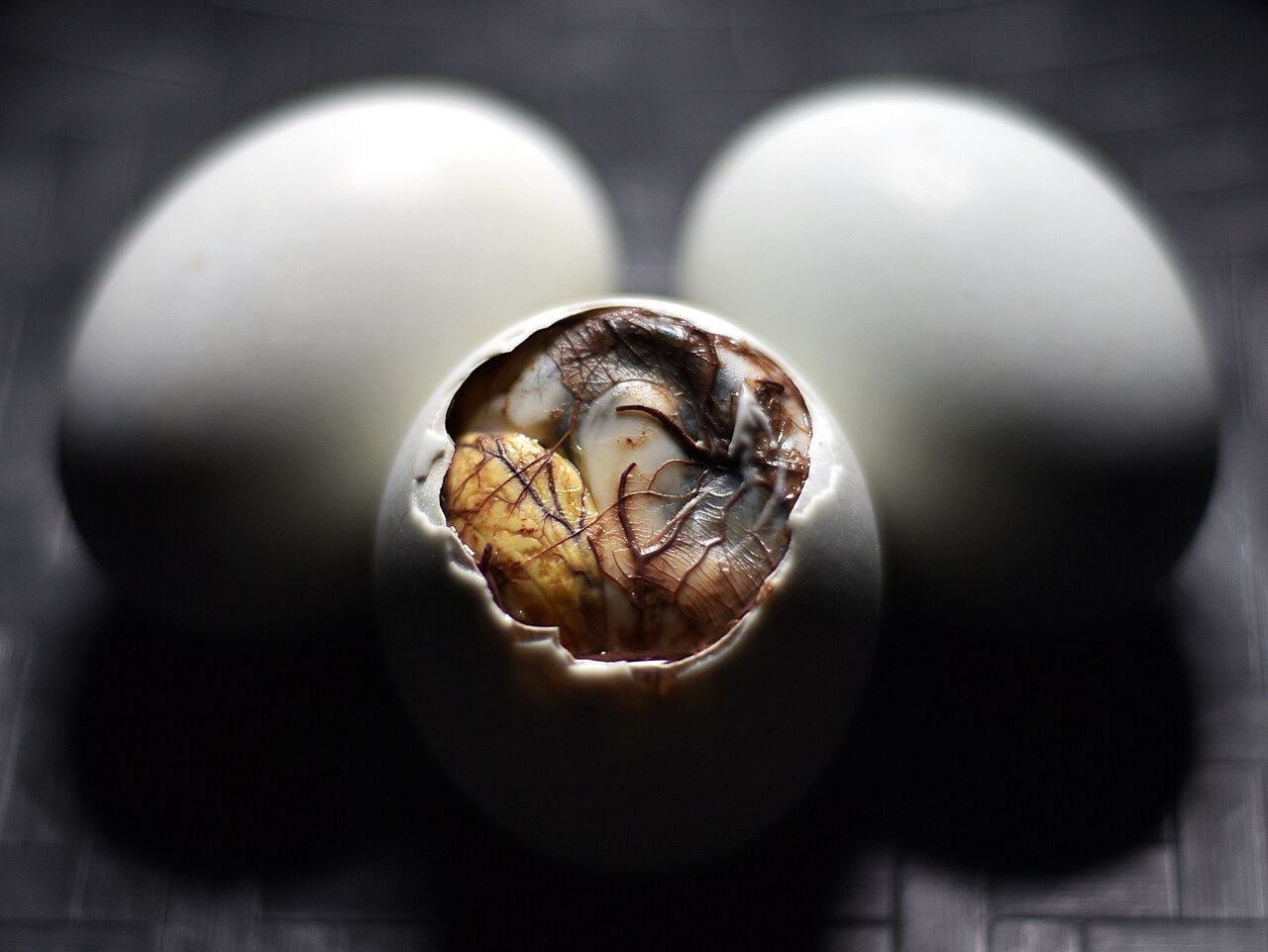
After dark in Manila, a vendor’s call echoes down the street: Baluuut! The seller carries a basket or bucket of warm sand, and nestled inside are what look like ordinary duck eggs. They are not ordinary.
Balut is a fertilized duck egg incubated until the embryo inside is partly developed, generally 14 to 18 days in the Philippines. Vietnam’s version, hột vịt lộn, is often left a few days longer. The egg is boiled and eaten warm. Experienced eaters tap a small hole in the shell, sip the savory broth first, then peel it back to eat the rich yolk and the tender embryo, seasoned with salt or a splash of vinegar spiked with chili and garlic. The flavor is like a very rich egg crossed with chicken soup; the varied textures are the real hurdle for first-timers.
Historians generally credit Chinese traders with bringing the idea to the Philippines centuries ago, and it has since become a national icon: cheap, filling, high in protein and inseparable from late-night snacking with friends. The Metro Manila town of Pateros is famous for its duck farms and balut making. To try it, listen for street vendors at night in Manila, or look for egg stalls in Ho Chi Minh City.
1Casu Marzu (Sardinia)
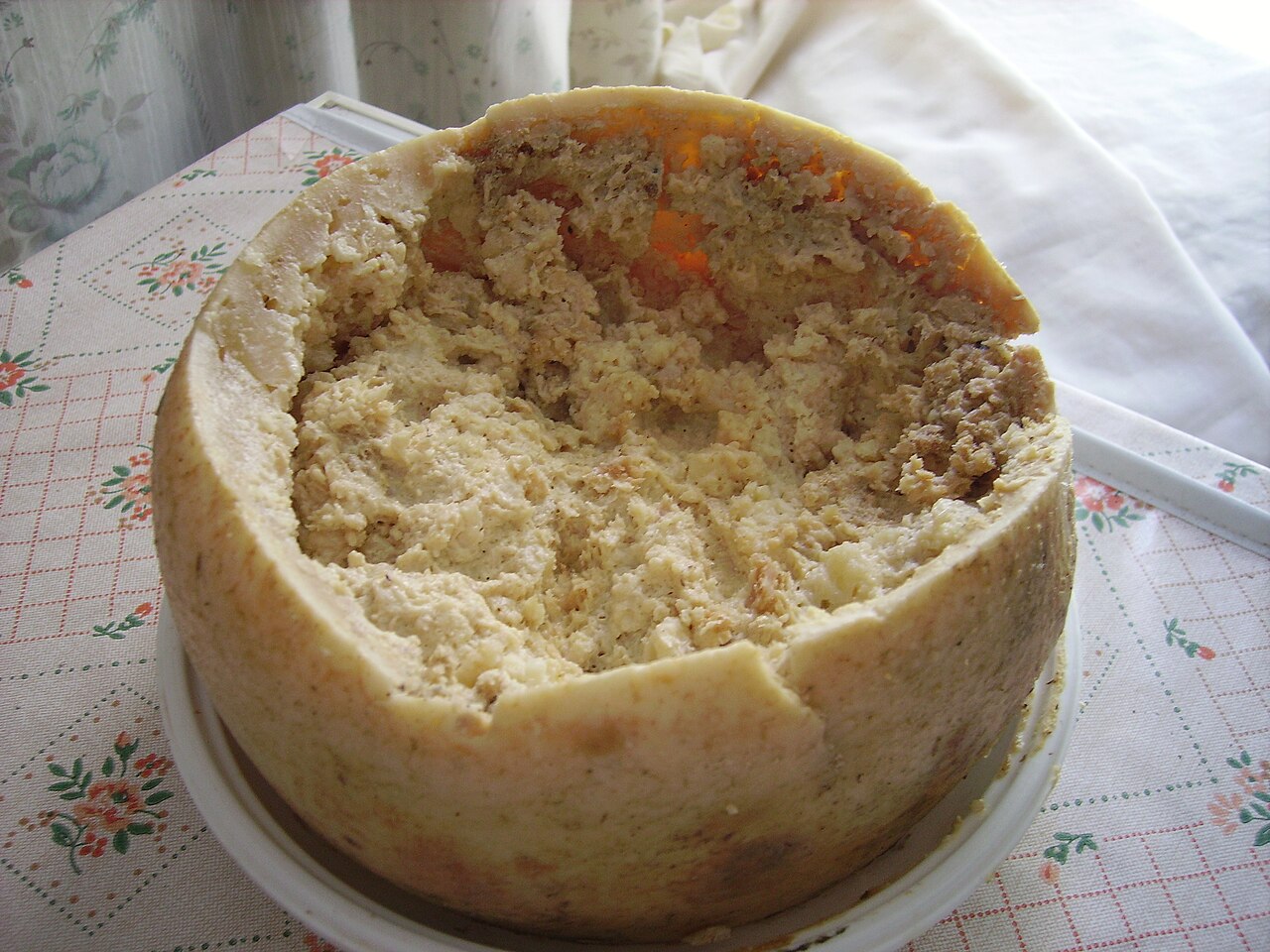
Most cheeses are aged. Casu marzu is digested. Its name means rotten cheese in Sardinian, and that’s barely an exaggeration: it’s a wheel of pecorino deliberately left open to the cheese fly, Piophila casei, so the insects lay eggs inside. As the translucent larvae hatch and feed, their digestion breaks down the cheese’s fats, turning the paste soft, weepy and ferociously pungent.
The result tastes like an extremely strong, peppery pecorino that tingles on the tongue and lingers for hours. Traditionally it’s spread on moistened pane carasau, Sardinia’s paper-thin flatbread, and paired with a robust red such as Cannonau. Here’s what earns it the top spot: the larvae are alive when you eat them, and when disturbed they can leap up to 15 centimeters (about six inches). Diners often cup a hand over their bread to keep them from jumping. Purists insist the maggots must still be moving; if they’ve died, the cheese is considered spoiled.
In 2009, Guinness World Records listed it as the world’s most dangerous cheese, citing the risk that larvae survive digestion and cause stomach trouble. Its sale is banned in Italy and across the EU under food safety rules, so you won’t find it in shops. Instead, it lives on quietly in rural Sardinia, made and shared among shepherding families and friends. If someone offers you a taste, take it as a sign of trust.
So… Who’s Hungry?
Weird is mostly a matter of where you grew up. Cheese ripened by maggots sounds outrageous until you remember that blue cheese is ripened by mold, and fermented herring isn’t so far from a jar of sauerkraut. Nearly every dish on this list grew out of the same practical genius: make food last, waste nothing, and turn hardship into flavor.
Curious how many everyday favorites began as happy mistakes? Browse our list of famous inventions discovered completely by accident. And if your appetite survived this one, put your stomach to the test again with these weird history facts that sound fake.
Quick answers
What is the weirdest food in the world?
There’s no official ranking, but Sardinia’s casu marzu is a frequent pick: a sheep’s milk cheese ripened by live fly larvae that can jump when disturbed. Guinness World Records once named it the world’s most dangerous cheese. Close contenders include Sweden’s surströmming, Iceland’s fermented shark and the Filipino balut egg.
What is the smelliest food in the world?
Surströmming, Sweden’s fermented Baltic herring, is the dish most often named, and Swedes usually open the cans outdoors because of the stench. Durian, stinky tofu, Iceland’s ammonia-heavy hákarl and pungent cheeses are also regular contenders. Smell rankings are subjective, though, and fans of each insist the flavor is far milder than the aroma.
Is casu marzu illegal?
Casu marzu can’t legally be sold in Italy or anywhere else in the European Union, because it doesn’t meet food safety rules, and it isn’t legal in the United States either. It survives in rural Sardinia, where it’s typically made and shared privately among families and friends rather than sold openly in shops.
Sources, further reading & photo credits
- Shilin Night Market — Wikipedia
- Hákarl — Wikipedia
- Natto — Wikipedia
- Stinky tofu — Wikipedia
- Durian — Wikipedia
- Century egg — Wikipedia
- Escamol — Wikipedia
- Fried spider — Wikipedia
- Surströmming — Wikipedia
- Balut (food) — Wikipedia
- Casu martzu — Wikipedia
Cover image: Junyu-K · CC BY-SA 4.0 · via Wikimedia Commons. Photos throughout this list are sourced from Wikimedia Commons under the licenses noted in each caption.