10 Bizarre Medical Treatments From History

Every era thinks its medicine is cutting-edge. In 1898, a respected drug company sold heroin as a cough remedy. In the 1920s, a wealthy American drank radioactive water by the case. And for roughly two thousand years, doctors drained blood from sick patients because an ancient theory said it would restore balance to the body.
This countdown of bizarre medical treatments from history isn’t here to mock the past. Many of these remedies made sense with the knowledge of their time, and a few hid a grain of real science. Together they show why careful testing matters so much. Quick but important note: this is history, not medical advice, so please don’t try any of it. Talk to a qualified health professional instead.
10Snake Oil
The phrase “snake oil salesman” is shorthand for a con artist, but the story behind it starts with a remedy that may genuinely have helped a little. Chinese laborers who came to the United States in the 19th century, many to build the transcontinental railroad, brought oil made from Chinese water snakes and rubbed it on aching joints. Later analysis suggested that this oil is rich in omega-3 fatty acids, which can help reduce inflammation.
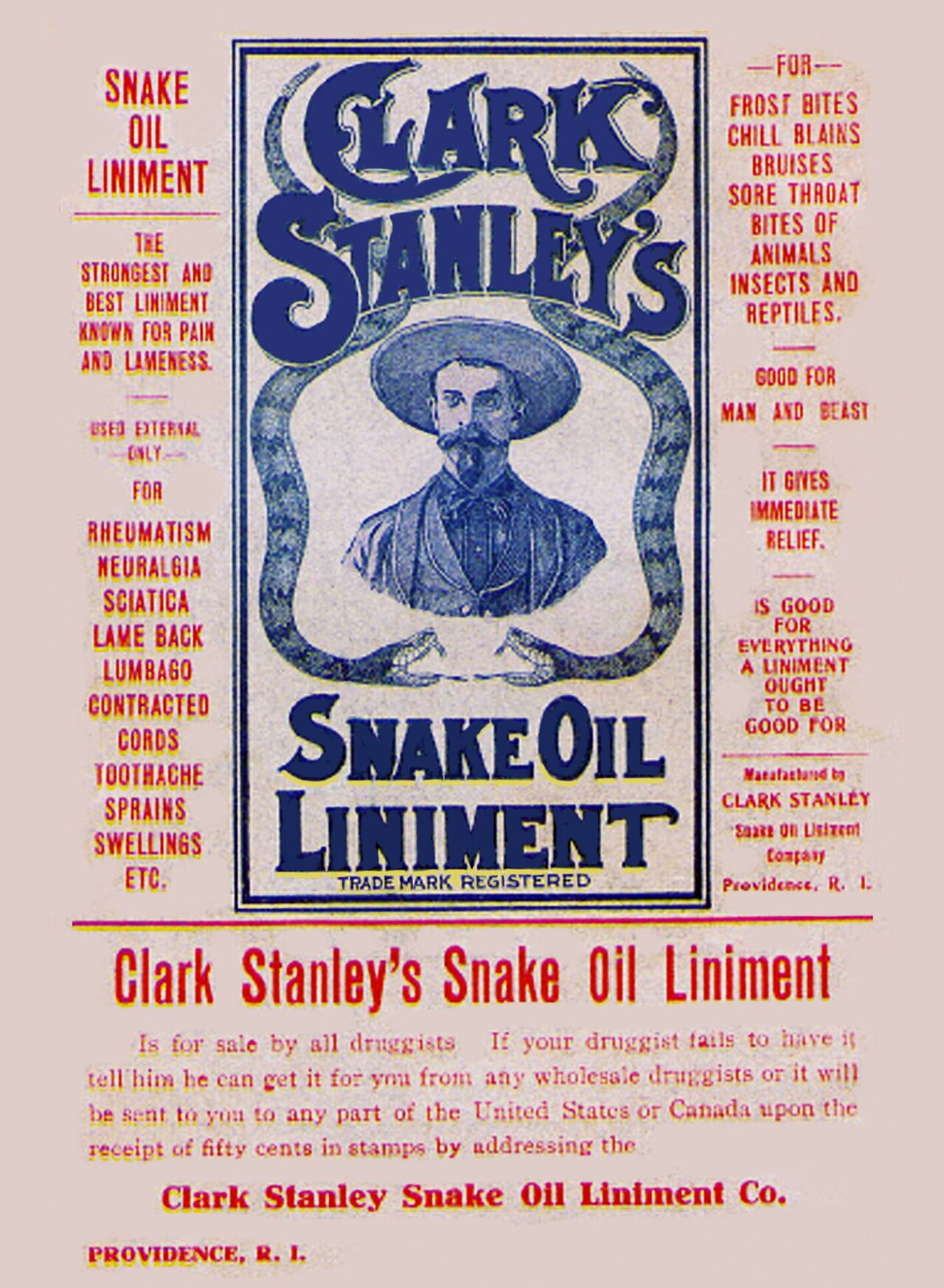
American hucksters borrowed the idea, minus the actual Chinese water snakes. The most famous was Clark Stanley, who styled himself the “Rattlesnake King” and sold Snake Oil Liniment for rheumatism, sprains, toothaches, and much more. Stanley claimed he had learned the recipe from Hopi medicine men and liked to show off his snake-handling to crowds, a sales pitch built entirely on showmanship.
The game ended after the Pure Food and Drug Act of 1906 gave federal chemists the power to check what was in the bottle. When the Bureau of Chemistry tested Stanley’s liniment, it found mostly mineral oil, a little fat that was probably beef tallow, chili pepper extract, turpentine, and camphor, with no sign of snake. In 1917 he was fined $20. His product faded away, but its name lived on as a permanent synonym for fraud.
9Mesmerism and “Animal Magnetism”
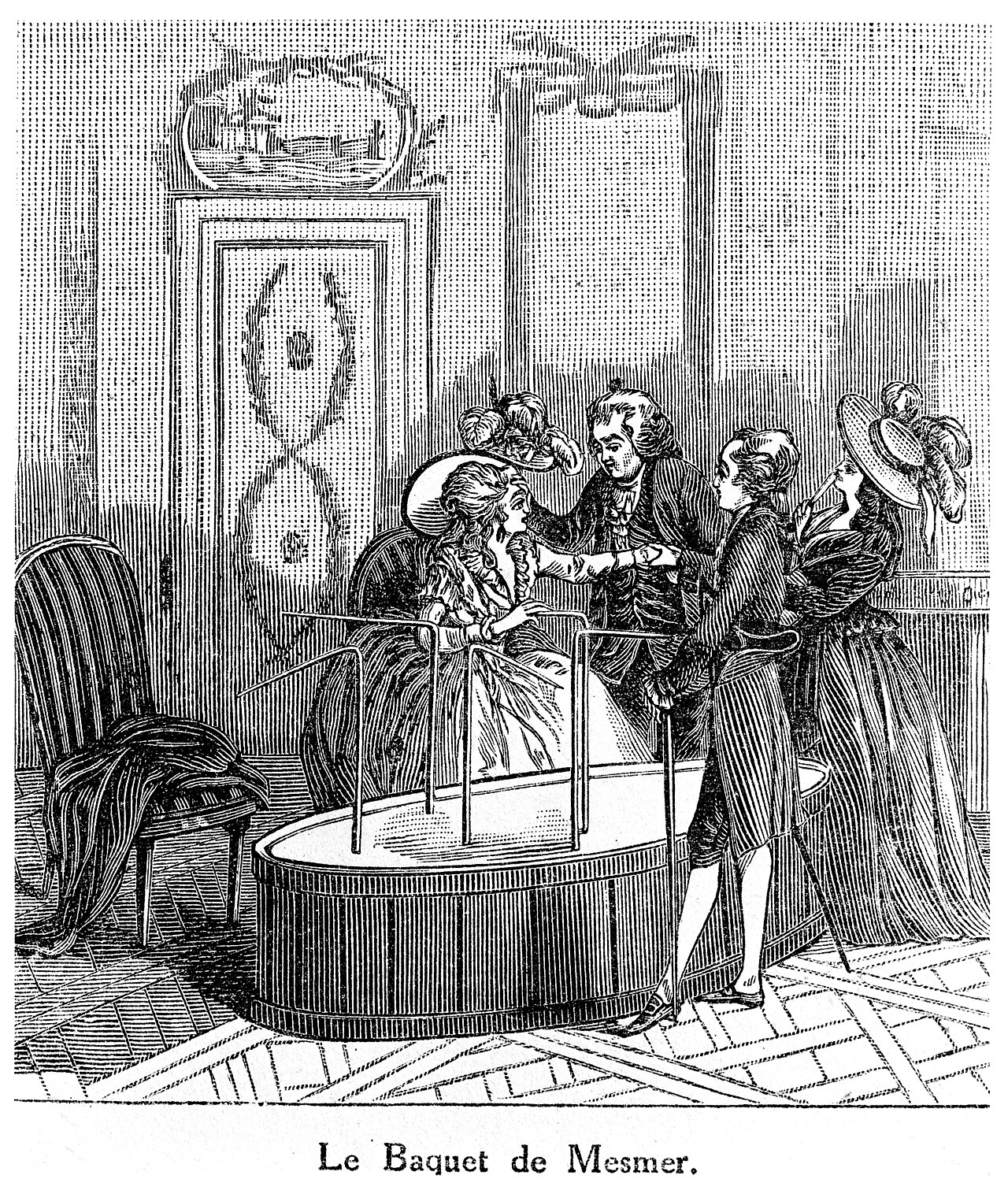
Picture a dim Paris salon in the 1780s. Patients sit around a large wooden tub filled with water and iron filings, each gripping an iron rod or a rope linked to the vessel. Soft music plays. A physician moves among them, pointing and touching, and some patients sob, laugh, or collapse into convulsions. Many leave convinced they feel better.
That was the scene at group sessions run by Franz Anton Mesmer, a German physician who believed all living things were connected by an invisible fluid he called “animal magnetism.” Illness, he argued, came from blockages in that fluid, which he claimed he could redirect. After controversy in Vienna, he moved to Paris in 1778, and his treatments became wildly fashionable with the aristocracy.
In 1784, King Louis XVI appointed commissioners to investigate, among them Benjamin Franklin, chemist Antoine Lavoisier, and Dr. Joseph-Ignace Guillotin, whose name would later be attached to the guillotine. Using what were essentially early blind trials, they found people reacted when they believed they were being “magnetized,” whether or not they actually were. Their verdict: the effects came from imagination. The fluid never existed, but Mesmer’s methods fed into the later study of hypnosis, and his name lives on whenever someone is “mesmerized.”
8Tobacco Smoke Enemas
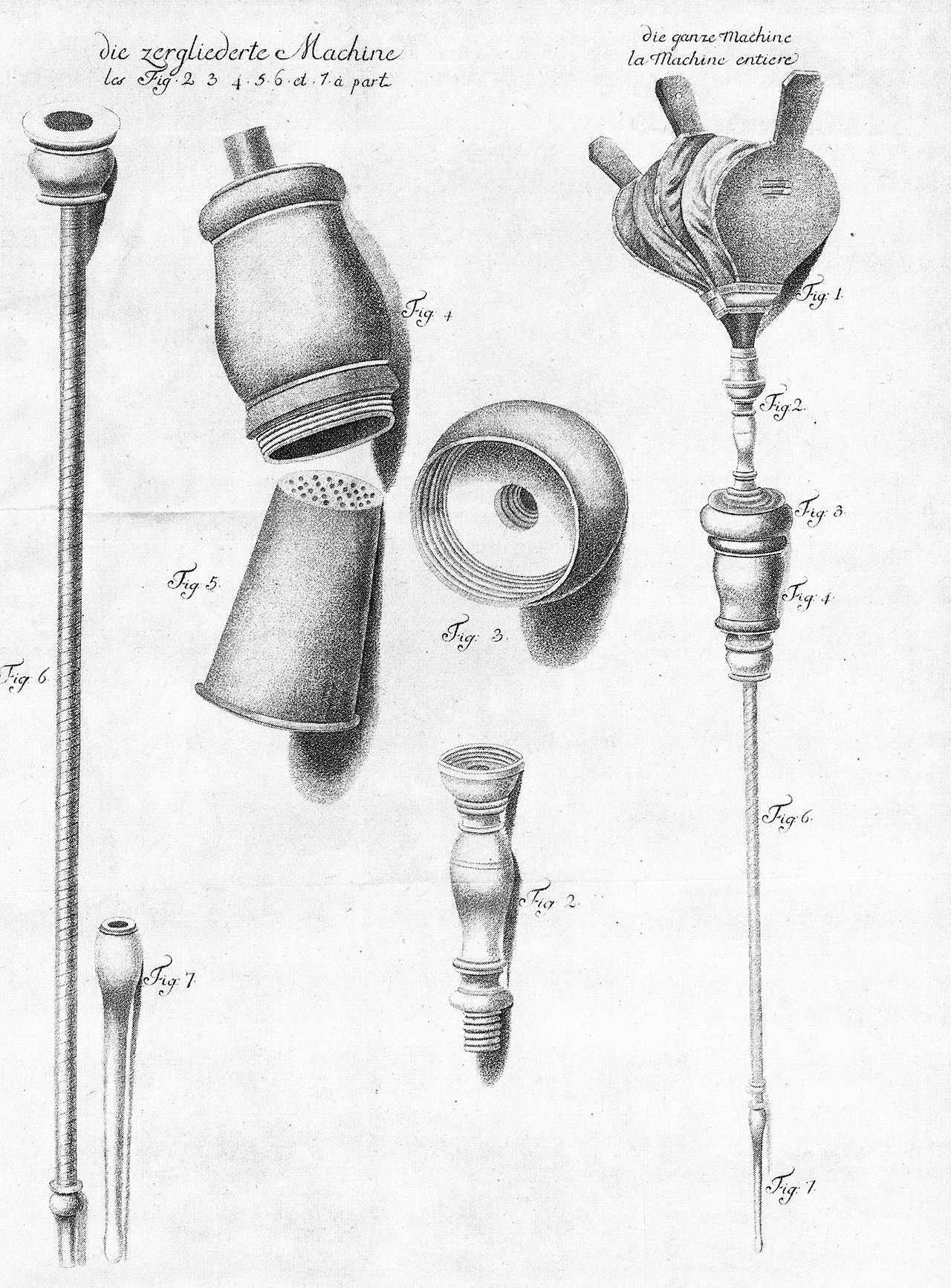
In 18th-century London, if someone was pulled unconscious from the River Thames, rescuers might reach for an official resuscitation kit kept along the riverbank. Inside were bellows, tubes, and a supply of tobacco. The idea was to blow warm tobacco smoke into the patient, and not through the mouth.
European physicians had learned about tobacco smoke treatments from Indigenous peoples of the Americas, and tobacco was considered a powerful stimulant that could warm the body and restart breathing. The Royal Humane Society, founded in London in 1774 to promote the rescue of people who appeared to have drowned, installed resuscitation kits that included smoke-enema equipment at points along the Thames. Doctors also tried tobacco enemas for hernias, headaches, stomach cramps, and even cholera.
The practice faded after 1811, when the English physiologist Benjamin Brodie showed through animal experiments that nicotine, the active ingredient in tobacco, is toxic. In other words, the treatment could make a struggling patient worse. The smoke kits disappeared, but the Royal Humane Society carried on with sounder methods, and it still awards medals today to people who risk their own lives to save others.
7Mercury for Everything

For more than four centuries, one of the most trusted medicines in the Western world was a poison. Mercury, the shimmering liquid metal, went into ointments, pills, and powders that doctors prescribed for everything from syphilis to constipation to teething pain.
Its most famous use was against syphilis, which swept through Europe from the 1490s onward. Patients endured mercury rubs, pills, and vapor baths for months or years, giving rise to the grim saying, “A night with Venus, a lifetime with Mercury.” Heavy drooling was taken as a sign the cure was working; in reality, it was a symptom of mercury poisoning. Calomel, a mercury compound, became a standard purgative in the 18th and 19th centuries, and mercury-laced “blue mass” pills were prescribed for melancholy, tuberculosis, and much more. Abraham Lincoln is believed to have taken blue mass before his presidency.
The Lewis and Clark expedition of 1804 to 1806 carried a supply of Dr. Rush’s Bilious Pills, calomel purgatives nicknamed “thunderclappers.” Mercury’s medical run ended only gradually. Salvarsan offered a more targeted syphilis treatment from 1910, penicillin replaced both in the 1940s, and mercury teething powders were finally dropped in the mid-20th century after being linked to a childhood illness called pink disease.
6Heroin Cough Syrup
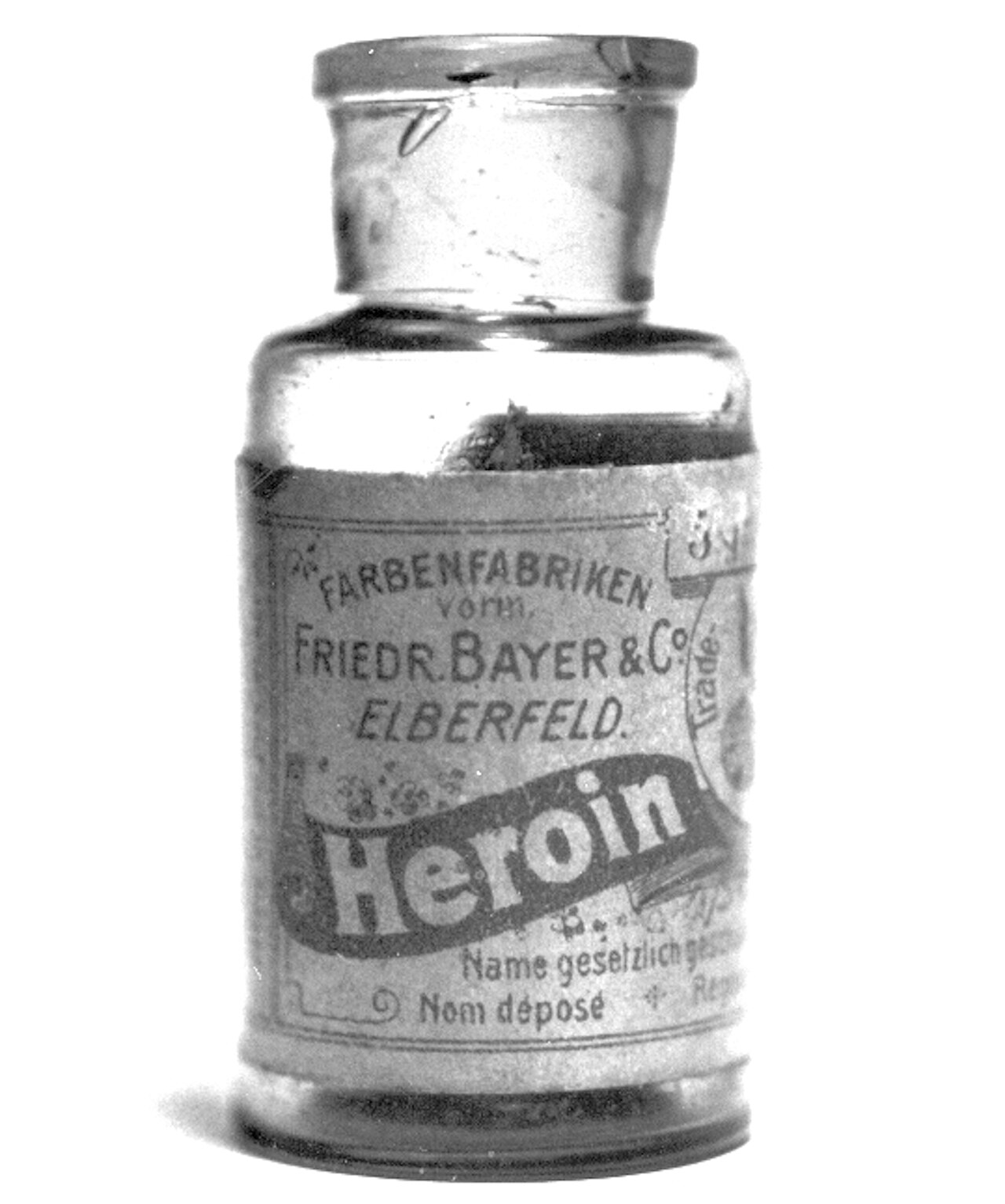
In 1898, the German drug company Bayer launched a new product that promised to quiet stubborn coughs and soothe sore lungs. The brand name is generally thought to come from the German word heroisch, meaning heroic, after the way early testers said it made them feel. They called it Heroin.
The drug, diacetylmorphine, had first been made in 1874 by English chemist C. R. Alder Wright, but a Bayer chemist independently synthesized it in 1897, the same year the company developed aspirin. At the time, coughs from tuberculosis and pneumonia were leading killers, and doctors badly wanted something stronger than codeine without morphine’s addictive pull. Bayer pitched heroin as exactly that, promoting it to physicians as a safer substitute. It came as tablets, lozenges, and syrups, and within a year it was reportedly sold in more than 20 countries.
The claim was disastrously wrong. The body converts heroin into morphine, and reports of dependence piled up within a few years. Bayer stopped making it in 1913. In the United States, the Harrison Narcotics Tax Act of 1914 restricted opioids, and the Heroin Act of 1924 banned its manufacture. It remains a classic cautionary tale about selling a drug before its risks are understood.
5Corpse Medicine and Powdered Mummy
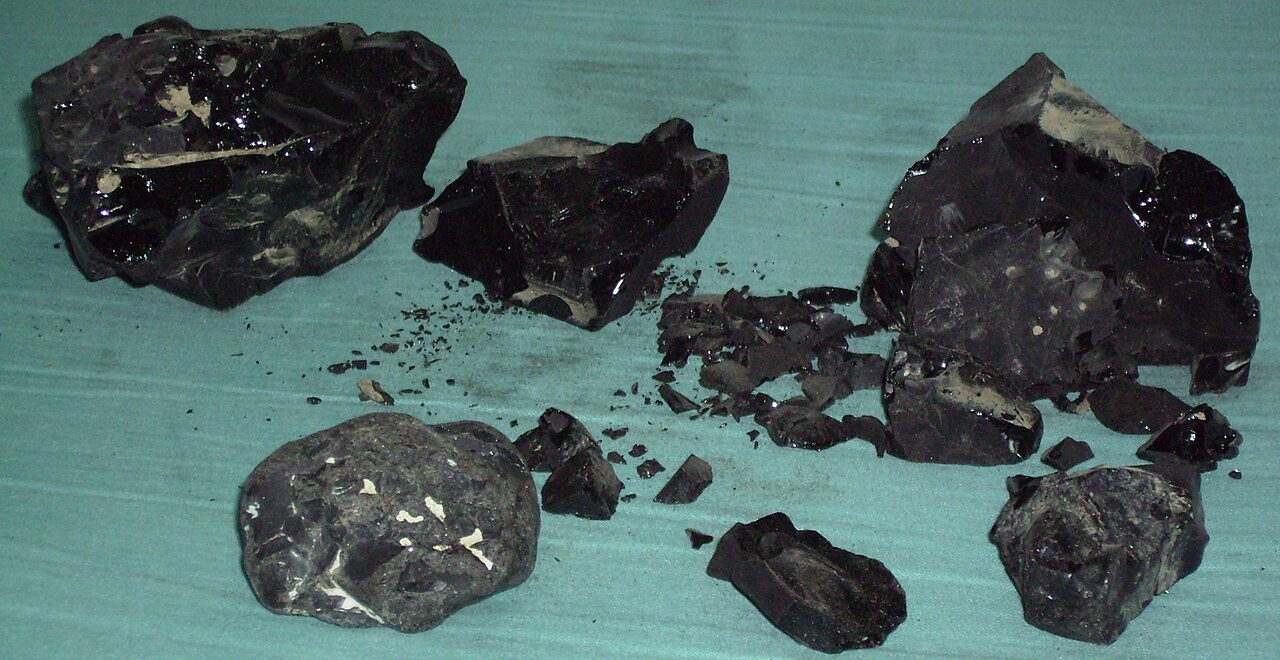
For centuries, some of Europe’s most educated people swallowed medicine made from human remains, and one of the most prized ingredients came from ancient Egyptian tombs. Ground-up mummy, sold as “mumia,” sat on apothecary shelves alongside herbs and spices and was prescribed for bruises, internal bleeding, and a long list of other complaints.
The trend may have begun with a mix-up. Mumia originally referred to a natural bitumen, a tar-like substance valued in the medieval Islamic world as a remedy. Because Egyptian mummies had been darkened by embalming materials that resembled bitumen, European sources from around the 12th century began treating the mummies themselves as the source. Demand grew so strong that a trade in mummies developed, and fakes made from much more recent bodies were common enough to worry physicians.
Its fans included royalty and scientists. King Francis I of France reportedly carried a mixture of mumia and rhubarb with him in case of injury, and the chemist Robert Boyle recommended it for bruises. Skepticism gradually won out, and by the 18th century most physicians had abandoned it. Even so, mummy still appeared in a German pharmaceutical catalog as late as 1924. Artists, meanwhile, ground mummies into a pigment called “mummy brown.”
4Radium Water
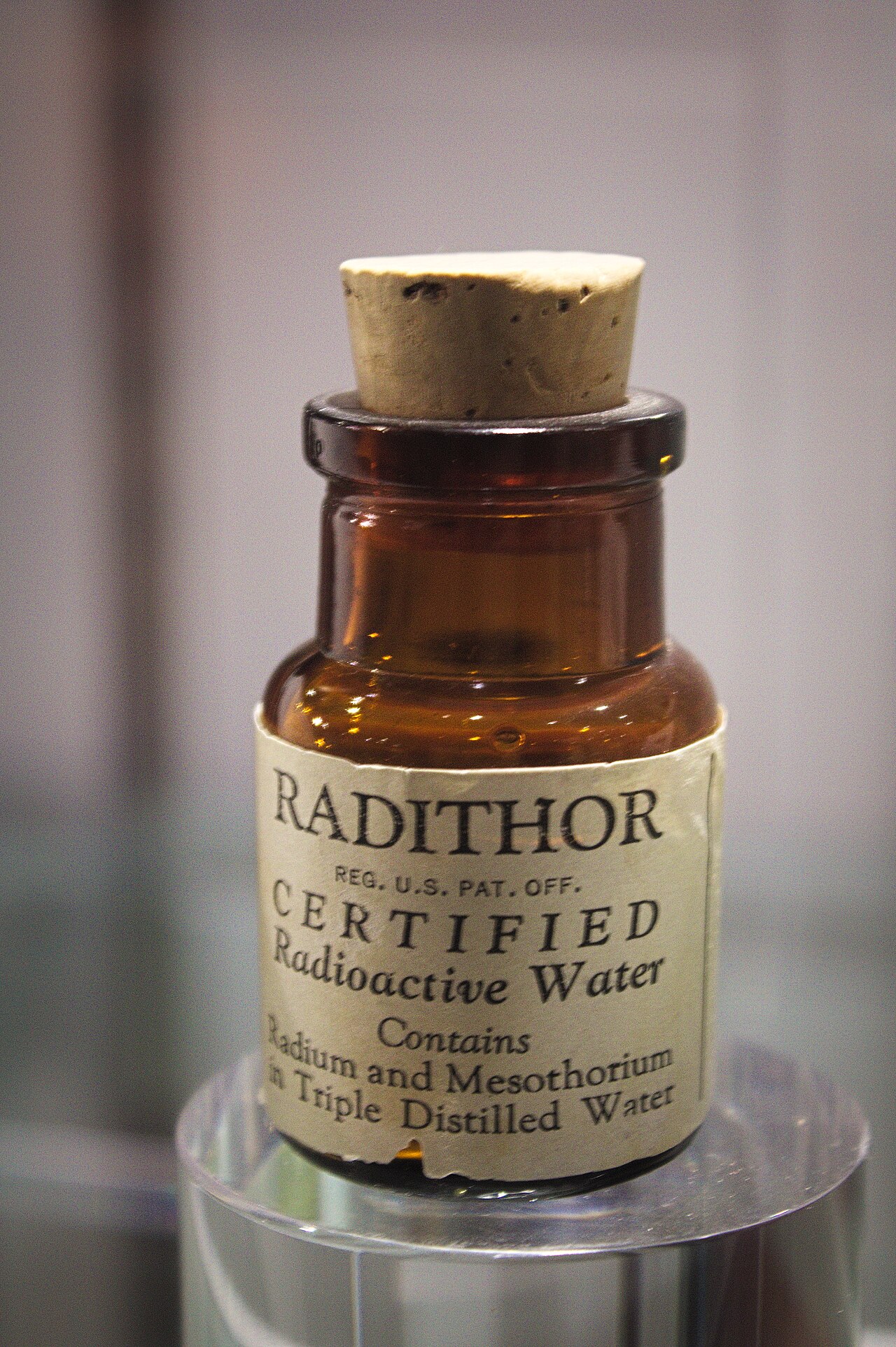
In the 1920s, radioactivity was one of the hottest health trends around. Radium had been discovered by Marie and Pierre Curie in 1898, and marketers soon sold radioactive toothpaste, cosmetics, and water crocks that promised to restore vitality. One of the most notorious products was Radithor, half-ounce bottles of water laced with radium, promoted as a remedy for a long list of ailments.
Radithor was made by Bailey Radium Laboratories of East Orange, New Jersey, run by William J. A. Bailey, a Harvard dropout with no medical degree. Each bottle contained at least 1 microcurie each of radium-226 and radium-228, and the company sold some 400,000 bottles between 1925 and 1930. Its most devoted customer was Eben Byers, a wealthy Pittsburgh industrialist and former US amateur golf champion, who began drinking it in 1927 after an arm injury.
Radium behaves chemically like calcium, so the body deposits it in bone, where it keeps emitting radiation. Byers developed severe radiation illness and died in 1932, and he was buried in a lead-lined coffin. His death made national headlines and helped spur stronger federal oversight of medical products, bringing the era of radioactive cure-alls to an end. It echoed the tragedy of the “Radium Girls,” factory workers poisoned while painting glowing watch dials.
3Bloodletting (and the Return of the Leech)
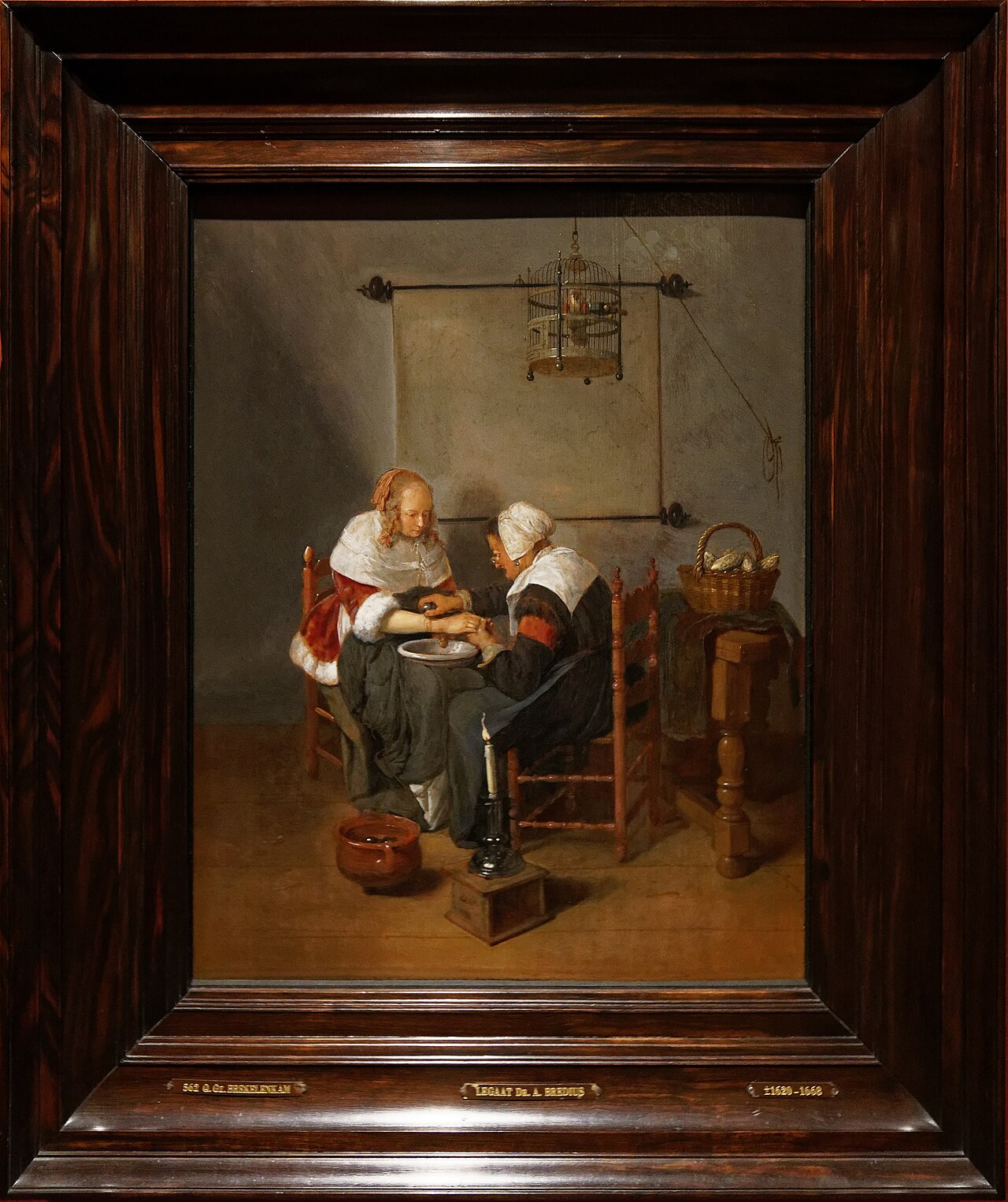
For roughly 2,000 years, one of the most common things a doctor could do for you was drain your blood. The logic came from humoral theory, championed by Hippocrates and later Galen, which held that health depended on balancing four bodily fluids: blood, phlegm, yellow bile, and black bile. Fever or inflammation suggested too much blood, so the cure was to let some out.
Physicians and barber-surgeons opened veins with a small blade called a lancet (the medical journal The Lancet borrowed its name), drew blood with heated cups, or applied leeches. The practice persisted well into the 19th century. In December 1799, as George Washington lay gravely ill with a throat infection, his doctors removed more than 80 ounces of blood, an estimated 40 percent of his supply, over about 12 hours. He died that night.
Then came the numbers. In the 1830s, French physician Pierre Louis used careful statistics to show that bloodletting did little for pneumonia, an early landmark of evidence-based medicine. The practice faded, though it survives in a few narrow, proven uses, like removing blood to treat hemochromatosis, an iron-overload disorder. Leeches made a comeback too: in 2004, the FDA cleared medicinal leeches as a medical device to help drain pooled blood after plastic and reconstructive surgery.
2The Lobotomy
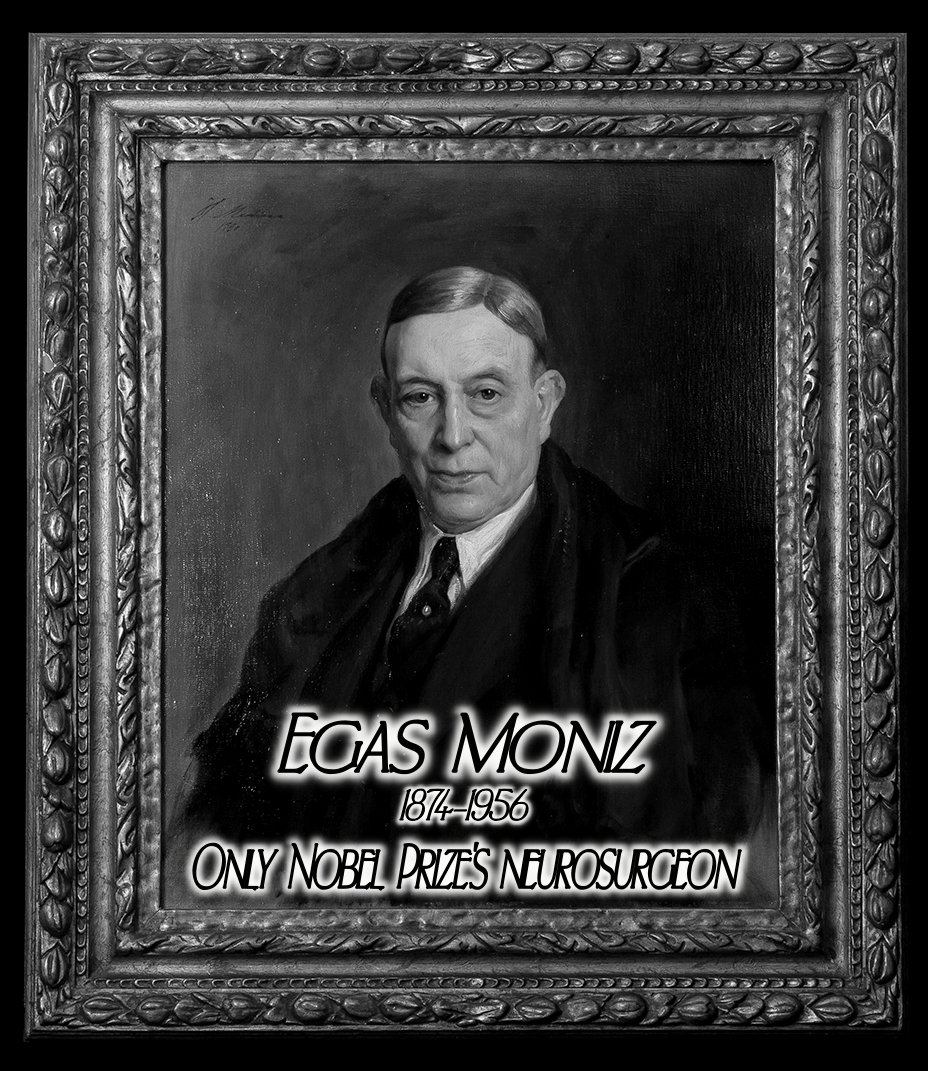
In 1949, the Nobel Prize in Physiology or Medicine went to a Portuguese neurologist for a brain operation now regarded as one of medicine’s darkest chapters. António Egas Moniz had developed the leucotomy, later better known as the lobotomy, which cut connections in the brain’s frontal lobes in an attempt to relieve severe mental illness.
The first operations under Moniz’s direction took place in Lisbon in 1935, performed by surgeon Pedro Almeida Lima, at a time when psychiatric hospitals were overcrowded and effective treatments barely existed. In the United States, neurologist Walter Freeman and neurosurgeon James Watts adopted and promoted the procedure starting in 1936. Freeman later developed a faster “transorbital” method that could be done outside an operating room, and he traveled widely to perform and demonstrate it, carrying out more than 3,500 operations by the late 1960s.
Outcomes ranged from little change to a devastating, permanent loss of personality, initiative, and independence, and some patients died. One of the best-known cases is Rosemary Kennedy, sister of future president John F. Kennedy, who was severely disabled after a lobotomy in 1941. By one estimate, about 40,000 lobotomies were performed in the US. The Soviet Union banned the procedure in 1950, and it fell out of favor as the first antipsychotic drugs arrived.
1Trepanation
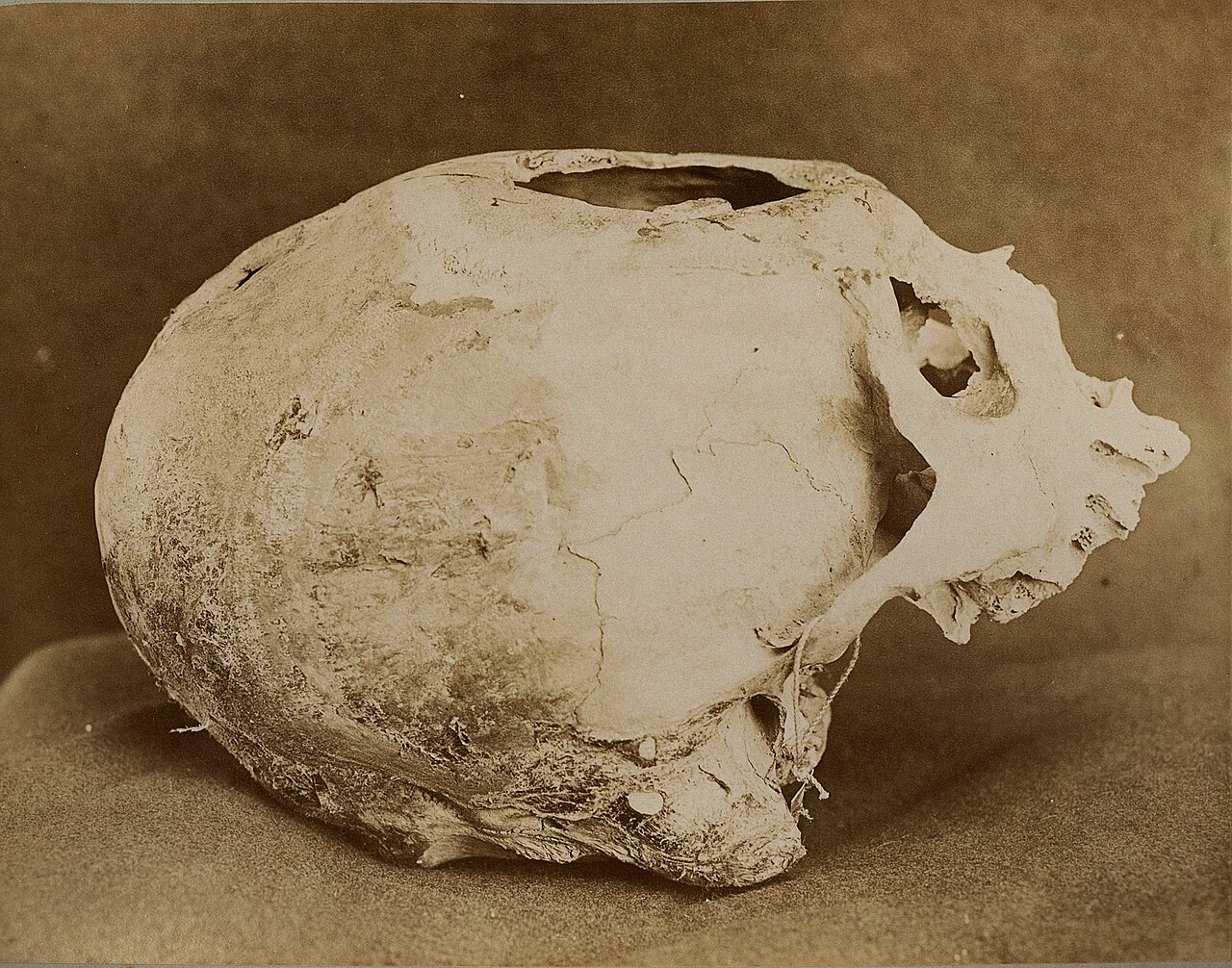
One of the oldest surgeries for which we have solid evidence doesn’t involve stitches or anesthesia. It involves a hole in the head. Trepanation, the practice of scraping, cutting, or drilling an opening in the skull, shows up in Neolithic remains more than 7,000 years old, and archaeologists have found trepanned skulls in many parts of the world.
Here’s the astonishing part: many patients survived. Bone around many ancient openings shows smooth, healed edges, which means the person lived for months or years afterward. In Peru, where the procedure was performed for many centuries, a 2018 study of hundreds of skulls found that survival rates climbed from roughly 40 percent in the earliest period studied to around 75 to 83 percent during the Inca era, about 1400 to 1500 CE. By comparison, the researchers noted, trepanation during the American Civil War had mortality rates of about 46 to 56 percent.
Why do it? The reasons likely varied by culture and era: treating skull fractures and other head injuries, relieving pressure, and possibly ritual or spiritual purposes. Ancient Greek physicians, including Hippocrates, described the technique for head wounds. And unlike most entries here, trepanation never fully disappeared. A refined version lives on in modern neurosurgery, where surgeons drill small “burr holes” to relieve dangerous pressure from bleeding on the brain.
Medicine’s Messy Learning Curve
It’s easy to laugh at mummy powder and smoke enemas, but the real lesson is how medicine learned to tell what works from what merely feels convincing. Franklin’s blind tests, Pierre Louis’s statistics, and the food and drug laws that followed all chipped away at guesswork. Once more, for the record: this list is history, not health advice, so leave the leeches to the professionals.
Want more strange-but-true stories? Browse these weird history facts that sound fake, or meet the lucky stumbles behind modern medicine in our list of inventions discovered completely by accident.
Quick answers
Did Bayer really sell heroin as cough medicine?
Yes. Bayer began marketing heroin in 1898 as a cough suppressant and a supposedly safer, non-addictive alternative to morphine, selling it in tablets, lozenges, and syrups. Reports of addiction followed within a few years, and Bayer stopped making it in 1913. The United States restricted opioids in 1914 and banned heroin manufacture with the Heroin Act of 1924.
Are leeches still used in medicine today?
Yes, in limited ways. In 2004, the US Food and Drug Administration cleared medicinal leeches as a medical device. Surgeons use them mainly after plastic and reconstructive procedures, such as reattaching fingers or skin grafts, where pooled blood can threaten healing tissue. Leeches drain that blood and release natural anticoagulants that keep it flowing.
Did people survive trepanation in ancient times?
Many did. Healed bone around ancient skull openings shows patients often lived for months or years afterward. A 2018 study of trepanned skulls from Peru found survival rates of roughly 75 to 83 percent during the Inca era, higher than reported rates for skull surgery during the American Civil War, when mortality reached about 46 to 56 percent.
Sources, further reading & photo credits
- Old Operating Theatre Museum and Herb Garret — Wikipedia
- Snake oil — Wikipedia
- Animal magnetism — Wikipedia
- Tobacco smoke enema — Wikipedia
- Calomel — Wikipedia
- Felix Hoffmann — Wikipedia
- Mummia — Wikipedia
- Radithor — Wikipedia
- Bloodletting — Wikipedia
- António Egas Moniz — Wikipedia
- Trepanning — Wikipedia
Cover image: CGP Grey · CC BY 2.0 · via Wikimedia Commons. Photos throughout this list are sourced from Wikimedia Commons under the licenses noted in each caption.