
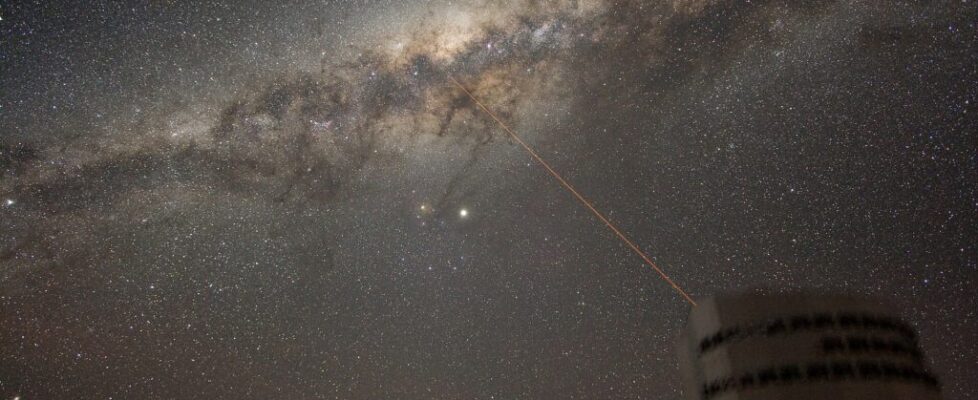
10 Space Facts That Will Break Your Brain

Look up on a clear night and the sky seems calm and orderly, a dark blanket with a few sparkles pinned to it. Don’t be fooled. Somewhere up there it rains diamonds, a planet’s day outlasts its year, and a gap in the universe yawns so wide that light needs hundreds of millions of years to cross it.
The best mind-blowing space facts aren’t science fiction. They come from spacecraft, telescopes, and decades of careful measurement, and they get stranger the longer you think about them. We’ve counted down ten favorites, from the space station’s daily light show to one of the emptiest neighborhoods astronomers have ever mapped. Fair warning: your sense of scale may not survive the trip.
10Astronauts on the ISS See 16 Sunrises a Day
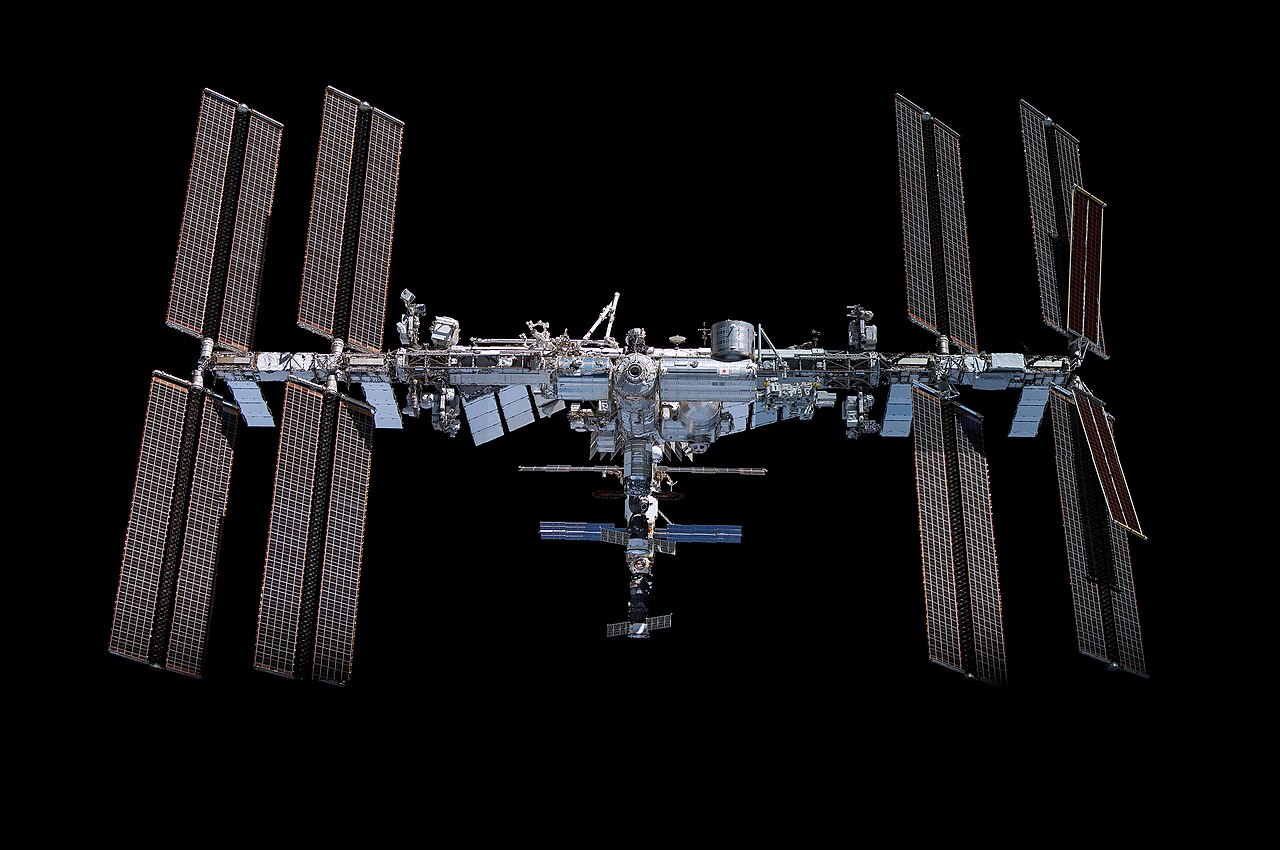
Imagine the sun coming up, going down, and coming up again before you’ve finished your morning coffee. That’s daily life aboard the International Space Station, which circles Earth roughly every 90 minutes at about 28,000 kilometers per hour (17,500 mph). Each lap carries the crew from day into night and back again, so they witness around 16 sunrises and 16 sunsets every 24 hours.
Those sunrises don’t creep. From orbit, dawn arrives as a thin band of blue and orange racing along the curve of the planet, and darkness flips to full glare in seconds. Astronauts routinely call it one of the most beautiful sights of the job, and they photograph it constantly from the Cupola, a bay of seven windows that looks down on Earth.
All that speed creates a practical problem: the human body still expects one normal day. To keep crews healthy, the station runs on Coordinated Universal Time (UTC), with scheduled sleep periods and window shutters to block the next sunrise. The station has been continuously occupied since November 2000, and NASA plans to retire it around 2030 by steering it into a remote stretch of the Pacific Ocean.
9Saturn Would Float in a Bathtub
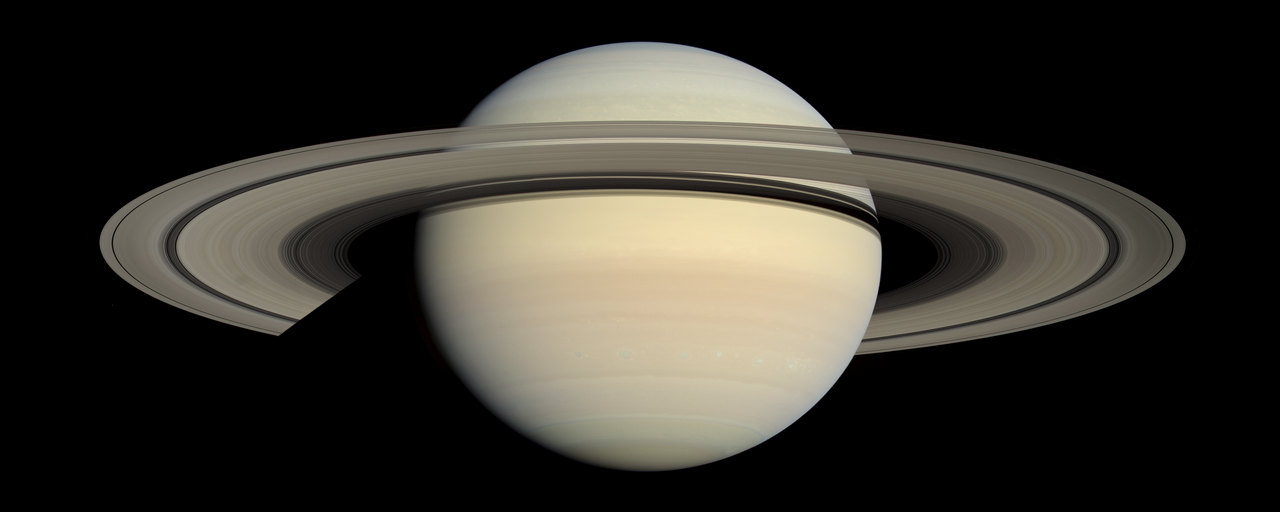
Saturn is 95 times as massive as Earth and wide enough to line up about nine Earths across its equator, yet it is the lightweight of the solar system. Its average density is roughly 0.69 grams per cubic centimeter, less than water’s 1.0. In principle, if you could find a bathtub big enough (and fill it), the planet would bob on the surface like a rubber duck.
The trick is what Saturn is made of. It’s mostly hydrogen and helium, the two lightest elements, wrapped around a relatively small, dense core. Its enormous volume, big enough to hold more than 760 Earths, spreads that mass thin. Saturn also spins fast, completing a day in about 10 hours and 33 minutes, which flings its equator outward so the planet visibly bulges. It’s roughly 10 percent wider at the equator than from pole to pole.
Of course, the bathtub experiment would end badly. Saturn has no solid surface, and a gas giant dropped into water would simply come apart. The rings are just as odd. They extend roughly 280,000 kilometers from the planet, yet the main rings are typically only about 10 meters thick, proportionally far thinner than a sheet of paper stretched across a football field. And Saturn keeps collecting moons: 128 new ones confirmed in 2025 pushed its count to 274.
8Footprints on the Moon Could Last Millions of Years
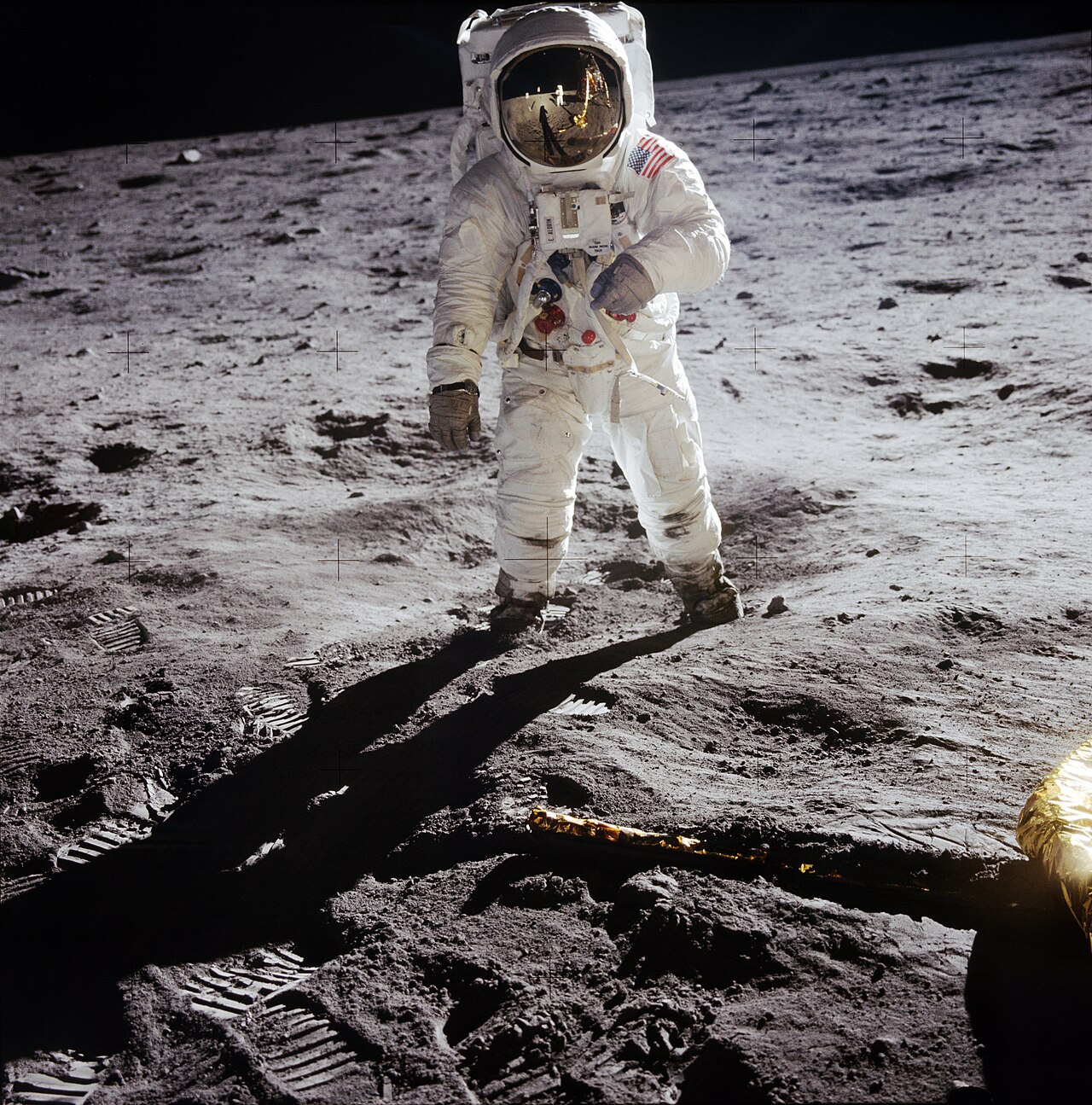
On Earth, a footprint in the sand lasts until the next wave. On the Moon, the bootprints Neil Armstrong and Buzz Aldrin pressed into the dust on July 20, 1969, are very likely still there, crisp ridges and all. Twelve astronauts walked on the lunar surface between 1969 and 1972, and the tracks they left could outlast the pyramids by a few million years.
The reason is everything the Moon lacks. There’s no wind, no rain, no flowing water, and no plate tectonics shuffling the ground around. The main eroder is a slow drizzle of micrometeorites and solar radiation that gradually churns the top layer of soil, a process scientists call “gardening.” By common estimates, undisturbed prints could survive for millions of years. NASA’s Lunar Reconnaissance Orbiter has captured images of the Apollo landing sites from orbit that show the astronauts’ foot trails as dark paths between the hardware.
Lunar soil helps, too. With no weathering to round them off, its grains stay jagged and lock together, so a boot leaves a sharp impression instead of a sloppy smudge. In effect, the Moon is a museum that never needs dusting. The exhibits even include personal mementos, like the family photo Apollo 16 astronaut Charlie Duke left on the surface in 1972.
7A Day on Venus Lasts Longer Than Its Year
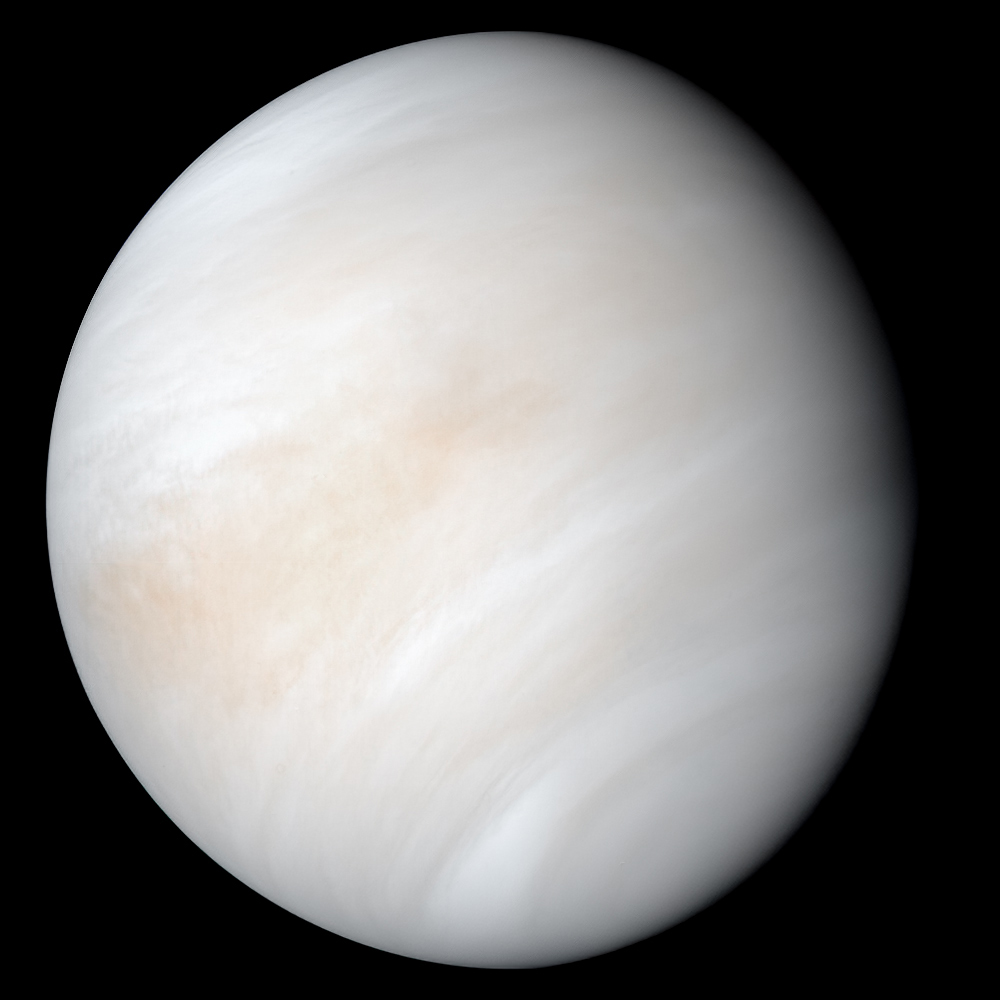
If you celebrated birthdays on Venus, you’d get one before the planet finished turning around once. Venus takes about 225 Earth days to orbit the Sun but roughly 243 Earth days to spin once on its axis. On our closest planetary neighbor, a single rotation outlasts an entire trip around the Sun, making Venus the slowest-spinning planet in the solar system.
It also spins backward. Venus rotates in the opposite direction from Earth and most other planets, so the Sun rises in the west and sets in the east. Combine that retrograde spin with its orbit, and the time from one sunrise to the next works out to about 117 Earth days. Nobody knows exactly why. Leading ideas include a giant ancient impact or the slow tug of the Sun’s gravity on its thick atmosphere over billions of years.
You wouldn’t enjoy those long afternoons. Venus’s carbon dioxide atmosphere is so dense that surface pressure is about 92 times Earth’s, similar to being roughly 900 meters (3,000 feet) underwater. A runaway greenhouse effect keeps the ground near 465°C (870°F), hot enough to melt lead. The Soviet Venera landers that touched down in the 1970s and 1980s lasted anywhere from minutes to about two hours before the planet cooked them.
6Mars Has a Volcano the Size of Arizona
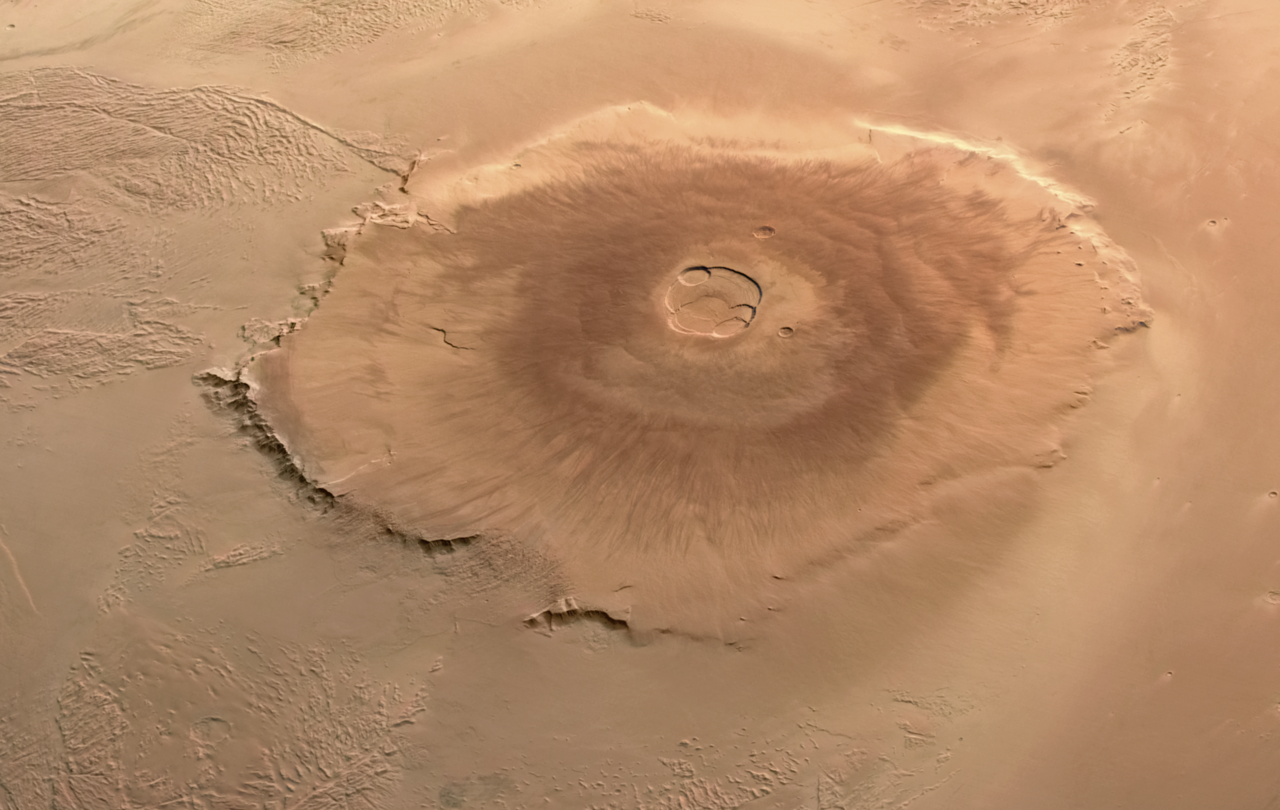
Mount Everest rises about 8.8 kilometers above sea level. Olympus Mons, on Mars, stands roughly 22 kilometers above the Martian reference level, about two and a half times as high. Its base sprawls about 600 kilometers (370 miles) across, so if you dropped it onto the United States, it would cover an area about the size of Arizona.
It’s a shield volcano, the same basic type as Hawaii’s Mauna Loa, built by countless lava flows over immense stretches of time. Mars helped it grow. The planet’s surface gravity is only about 38 percent of Earth’s, and Mars lacks the moving tectonic plates that, on Earth, keep sliding volcanoes away from their magma sources. On Mars, the hot spot just kept feeding the same mountain. The summit holds a nested caldera up to about 80 kilometers wide, and the volcano’s outer edge drops away in cliffs several kilometers tall.
Here’s the strangest part: if you climbed it, you might barely notice. The slopes average only about 5 degrees, so the ascent would feel like an extremely long, gentle hike. The mountain is so broad that from the summit, much of it would curve away beyond the horizon, leaving you atop one of the solar system’s tallest peaks with no sense of height at all.
5It May Rain Diamonds on Neptune and Uranus
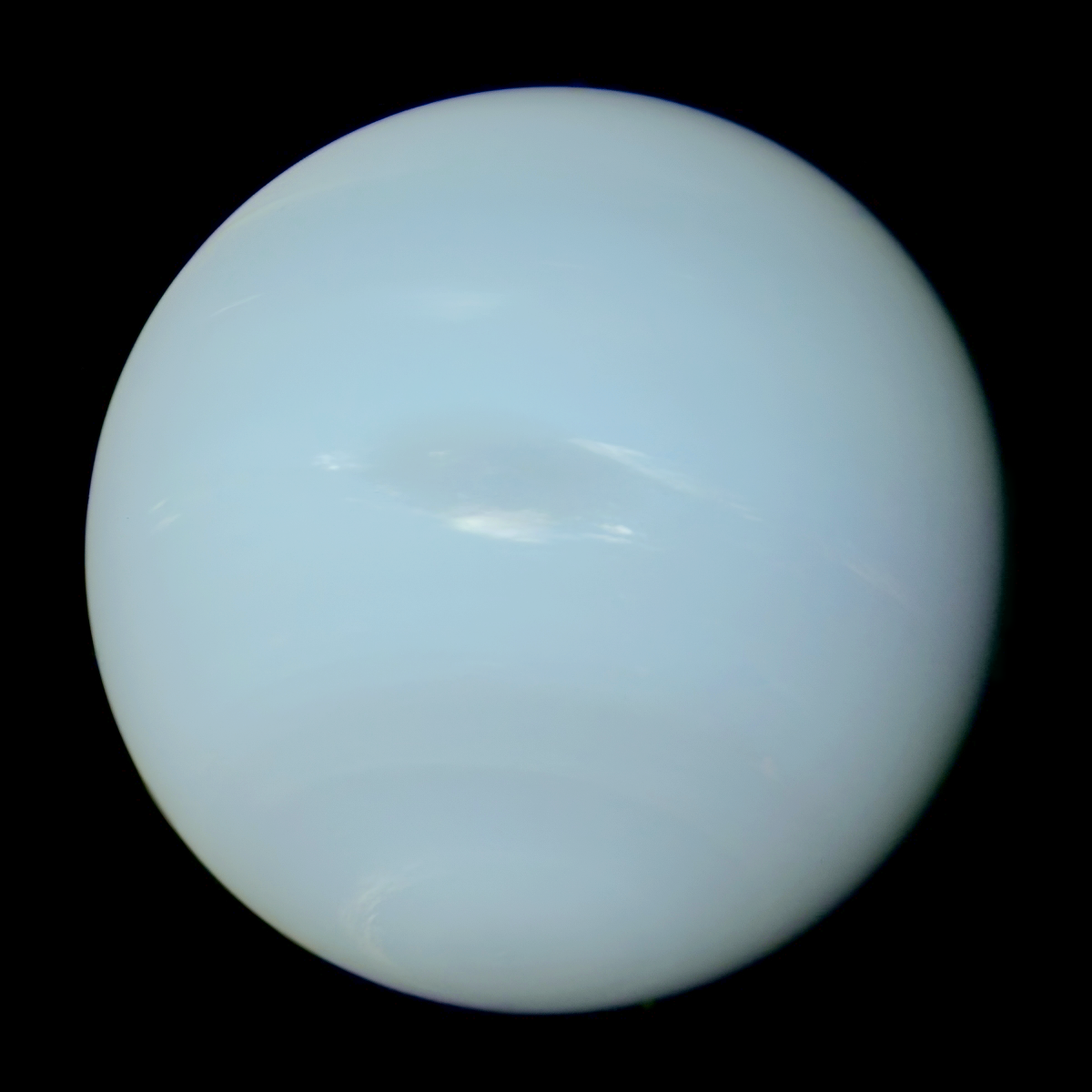
Somewhere deep inside Neptune, there may be a storm where the hail is made of diamonds. It sounds like a jeweler’s fever dream, but it’s a serious scientific hypothesis, and lab experiments over the past decade have made it look more plausible.
Neptune and Uranus are “ice giants,” rich in water, ammonia, and methane surrounding rocky cores. Thousands of kilometers below the cloud tops, pressures climb to millions of times what we feel at sea level. Under those conditions, scientists think methane can break apart, freeing carbon atoms that get squeezed into diamond. Those dense crystals would then sink slowly toward the interior, like hailstones falling through slush. Some researchers have even speculated that a layer of diamond could build up around the core.
In 2017, a team working at the SLAC National Accelerator Laboratory in California blasted polystyrene, a carbon-and-hydrogen plastic, with powerful lasers to mimic those crushing conditions, and watched nanoscale diamonds form for a split second. A 2022 follow-up using PET plastic, the stuff of soda bottles, suggested that oxygen inside these planets could make diamond rain even more likely. Nobody has seen it happen inside a real planet, though. Only one spacecraft, Voyager 2, has ever visited either world, flying past Uranus in 1986 and Neptune in 1989.
4Voyager 1 Is About to Be One Light-Day From Earth
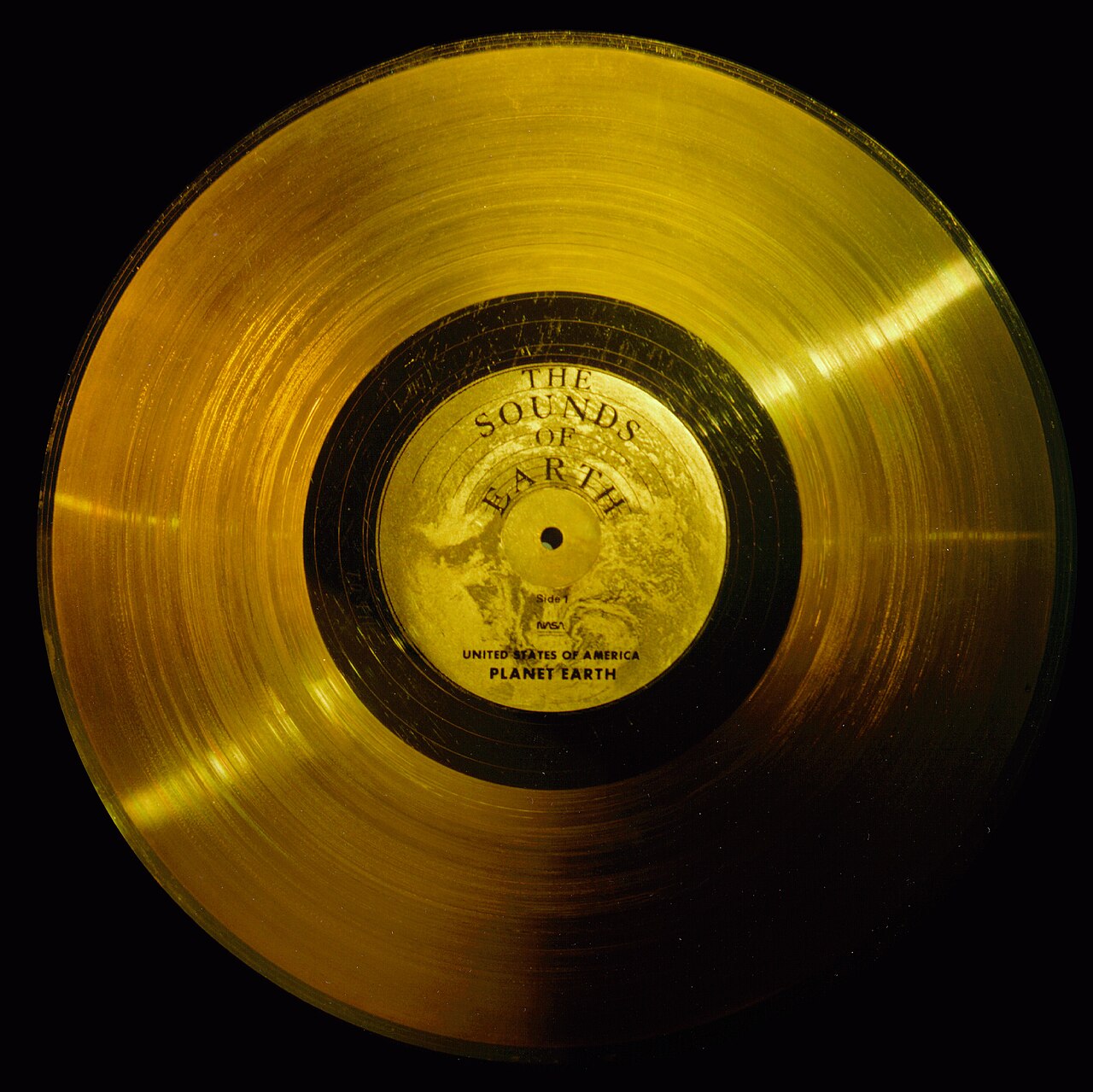
Send a message to Voyager 1 this November and you’ll wait roughly two full days for the reply. NASA expects its most distant spacecraft to cross one light-day from Earth, about 25.9 billion kilometers (16.1 billion miles), on or around November 18, 2026. No human-made object has ever been that far from home.
Voyager 1 launched on September 5, 1977, swung past Jupiter and Saturn, and kept going. In August 2012 it became the first spacecraft to cross the heliopause, the boundary where the Sun’s wind of charged particles gives way to interstellar space. It’s still coasting outward at about 17 kilometers per second (roughly 38,000 mph), and it still talks to Earth through the giant dish antennas of NASA’s Deep Space Network, using a transmitter of only about 22 watts, roughly the power of a refrigerator light bulb.
The aging probe is running on borrowed time. Its plutonium power source loses about 4 watts a year, so engineers have been switching systems off one by one. In April 2026 they shut down the Low-Energy Charged Particle instrument, leaving just two science instruments running. Even so, nothing built by people has traveled farther, and Voyager will drift on among the stars long after its signal fades.
3Sunlight’s Energy Is Older Than the Pyramids

The light warming your face left the Sun’s surface about eight minutes and 20 seconds ago. The energy it carries, though, may have been bouncing around inside the Sun since before the first cities were built. Blame the traffic. The solar interior is almost unimaginably crowded.
In the core, at around 15 million degrees Celsius, hydrogen nuclei fuse into helium and release energy as high-energy photons. But the interior is so dense that a photon travels only a tiny distance before it’s absorbed and re-emitted in a random direction. The energy staggers outward like a pinball in a packed arcade, a process physicists call a random walk. Estimates of how long it takes to work through the Sun’s radiative zone vary enormously, commonly from about 10,000 to 170,000 years, and some calculations run longer still.
Near the surface, the energy hitches a ride on churning convection currents and escapes as sunlight. Strictly speaking, the photon reaching your eye isn’t the one born in the core; the energy has been handed off countless times. Still, next time you squint on a sunny afternoon, consider that the trip from the Sun’s surface to you took minutes, while the trip out of the Sun took thousands of years.
2A Teaspoon of Neutron Star Weighs Billions of Tons
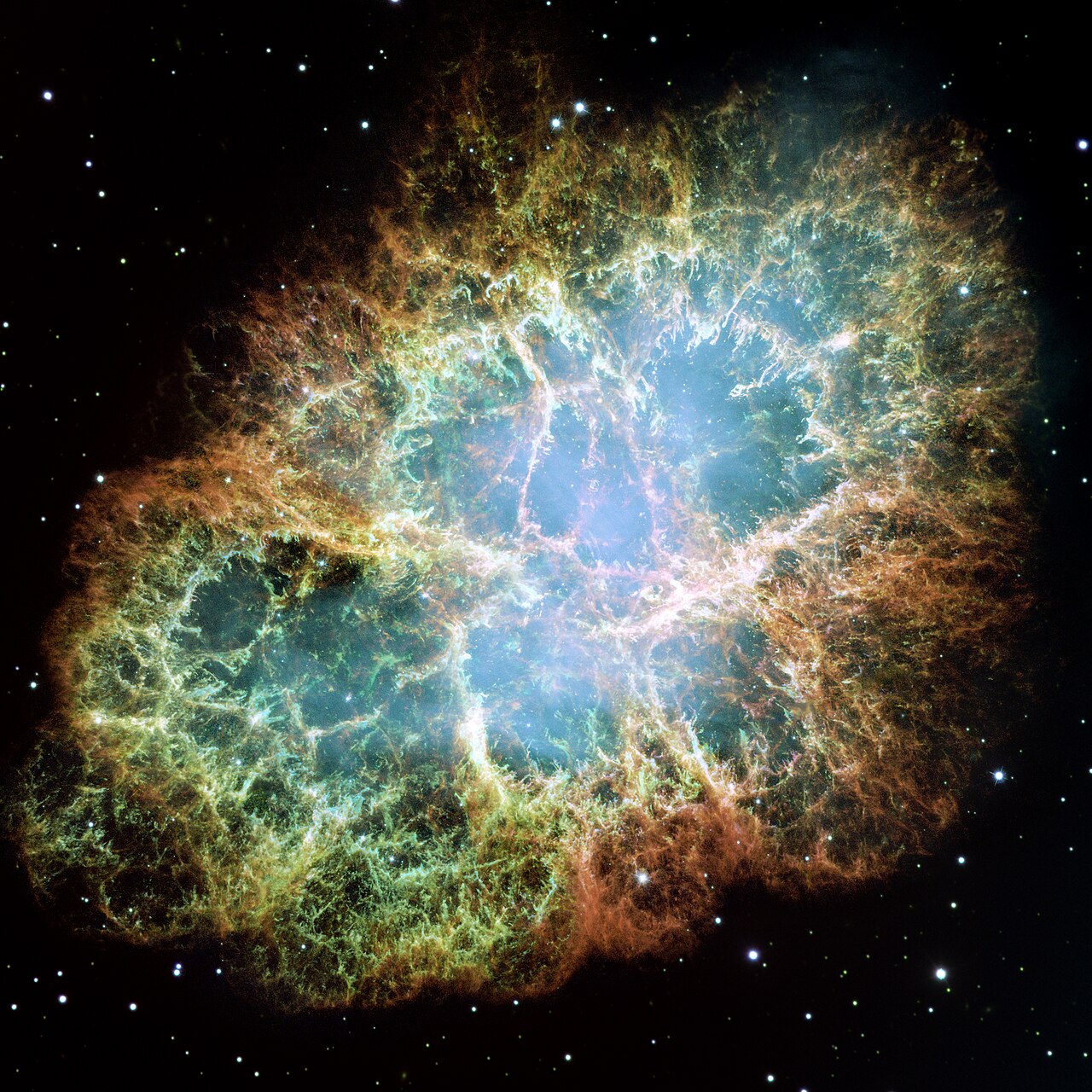
Take more mass than the entire Sun and crush it into a ball about the width of a city, and you get one of the strangest objects in the universe. A neutron star typically packs around 1.4 times the Sun’s mass into a sphere roughly 20 kilometers (12 miles) across. The result is matter so dense that a single teaspoon of it would weigh on the order of billions of tons on Earth.
Neutron stars are the collapsed cores of massive stars that died in supernova explosions. When the core runs out of fuel, gravity wins so decisively that electrons are forced into protons, creating a sea of neutrons packed shoulder to shoulder. Only the stubborn quantum resistance of those neutrons keeps the whole thing from collapsing further into a black hole. Surface gravity is so intense that, by some estimates, the tallest “mountains” on a neutron star would be less than a millimeter high.
Many also spin absurdly fast, speeding up during collapse like a figure skater pulling in their arms. Some, called pulsars, sweep beams of radiation across space like cosmic lighthouses. The fastest known, PSR J1748-2446ad, rotates 716 times per second, which means a point on its equator moves at a sizable fraction of the speed of light.
1The Boötes Void Is a Giant Hole in the Universe
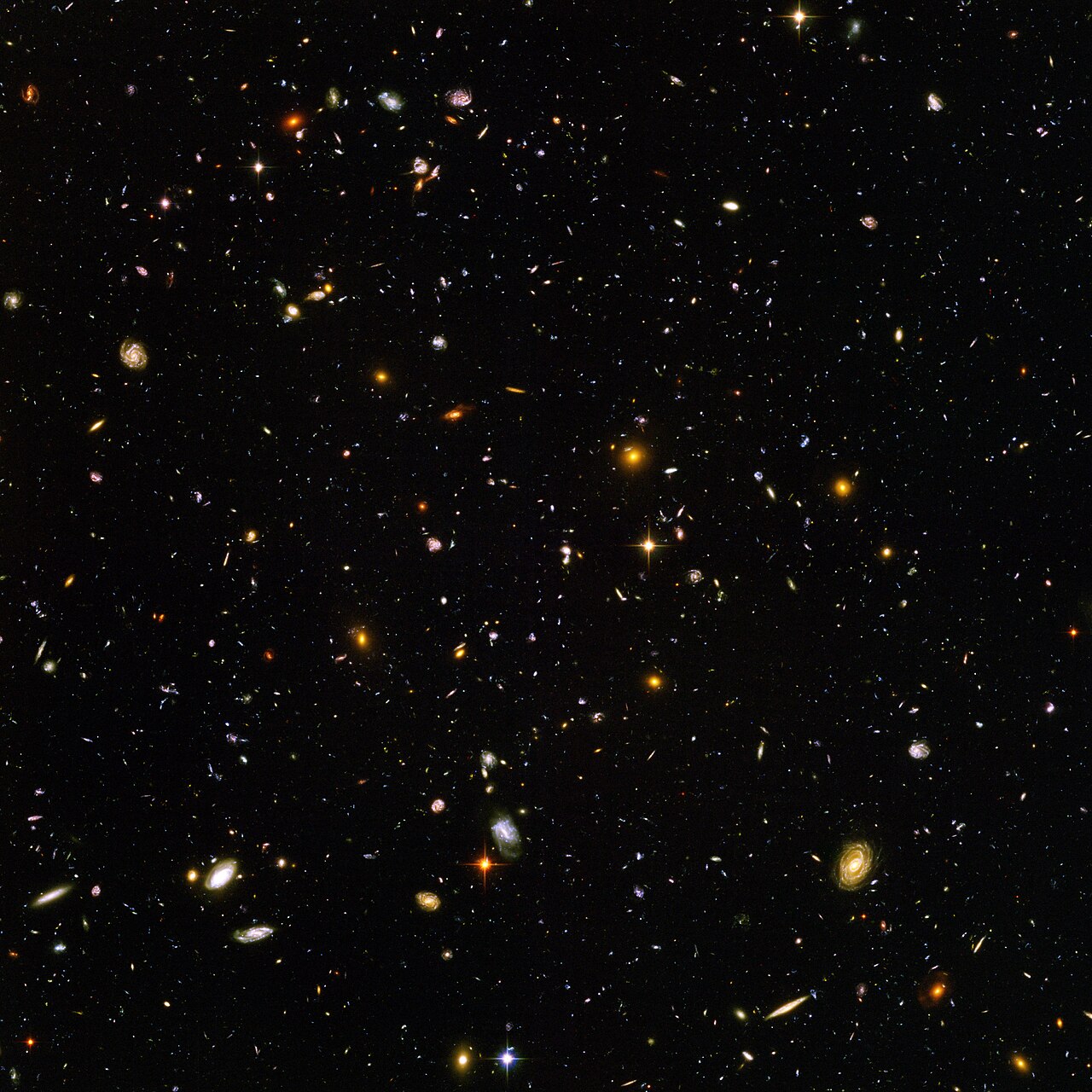
In 1981, astronomer Robert Kirshner and his colleagues were mapping galaxies in the direction of the constellation Boötes when they found something unsettling: almost nothing. They had stumbled onto a gigantic, nearly empty region of space, now called the Boötes Void, commonly estimated at about 330 million light-years across and centered roughly 700 million light-years from Earth.
To grasp the scale, consider that our Milky Way is around 100,000 light-years wide. You could line up more than 3,000 Milky Ways across the void. A region that size would normally hold something like 2,000 galaxies, yet astronomers have found only about 60 inside it. If our galaxy sat at the center, the night sky would still be full of our own stars, but the nearest neighboring galaxies would be so remote that, by one popular estimate, astronomers might not have known other galaxies existed until the 1960s.
It isn’t truly empty, and it doesn’t break physics. Matter in the universe is arranged in a vast cosmic web of filaments and walls, with voids in between, and a leading explanation is that the Boötes Void formed as smaller voids merged over billions of years. Still, it ranks among the largest voids known, a reminder that on the grandest scales the universe is mostly beautiful, dizzying nothing.
Feeling Small Yet?
If your brain feels slightly bent, that’s the correct response. Space runs on scales our everyday instincts were never built to handle, and every new mission adds another fact to the pile. Even “settled” predictions can shift: a 2025 study using Hubble and Gaia data put the odds of the Milky Way merging with the Andromeda Galaxy in the next 10 billion years at only around 50-50.
Want more? Earth has its own share of alien scenery in our list of natural wonders that look like another planet, and you can catch some of the sky’s rarest shows in rare natural phenomena most people never see.
Quick answers
Would Saturn really float in water?
In theory, yes. Saturn’s average density is about 0.69 grams per cubic centimeter, lower than water’s 1.0, because it’s made mostly of hydrogen and helium. In practice, it couldn’t happen: there’s no bathtub remotely big enough, and Saturn has no solid surface, so a gas giant dropped into water would simply break apart rather than bob like a ball.
Why is a day on Venus longer than its year?
Venus spins extremely slowly, taking about 243 Earth days to rotate once, while it orbits the Sun in about 225 Earth days. It also rotates backward compared with most planets. Scientists aren’t certain why, but leading explanations include a massive ancient collision or tidal forces from the Sun acting on its thick atmosphere over billions of years.
When will Voyager 1 be one light-day from Earth?
NASA expects Voyager 1 to reach one light-day from Earth, about 16.1 billion miles (25.9 billion kilometers), on or around November 18, 2026. At that distance, a radio signal traveling at the speed of light takes a full day to reach the spacecraft, so sending a command and hearing back takes about two days.
Sources, further reading & photo credits
- Milky Way — Wikipedia
- International Space Station — Wikipedia
- Saturn — Wikipedia
- Apollo 11 — Wikipedia
- Venus — Wikipedia
- Olympus Mons — Wikipedia
- Neptune — Wikipedia
- Voyager Golden Record — Wikipedia
- Sun — Wikipedia
- Crab Nebula — Wikipedia
- Hubble Ultra-Deep Field — Wikipedia
Cover image: ESO/ Y. Beletsky · CC BY 4.0 · via Wikimedia Commons. Photos throughout this list are sourced from Wikimedia Commons under the licenses noted in each caption.