10 Bizarre Military Experiments That Actually Happened

War rewards fresh thinking, and every so often fresh thinking goes spectacularly off the rails. Picture a 30-foot armored tricycle stuck in the mud, a rocket-powered explosive wheel cartwheeling toward its own officers, or a cat wired for sound.
These bizarre military experiments weren’t pulp fiction. They were funded, built, tested and, in most cases, quietly shelved, usually after soaking up serious money. Some were desperate gambles born of total war; others were Cold War schemes dreamed up by rivals terrified of falling behind. A few actually worked. Here are ten real projects, counted down from the merely odd to a plan to set off a nuclear explosion on the Moon.
10The Tsar Tank
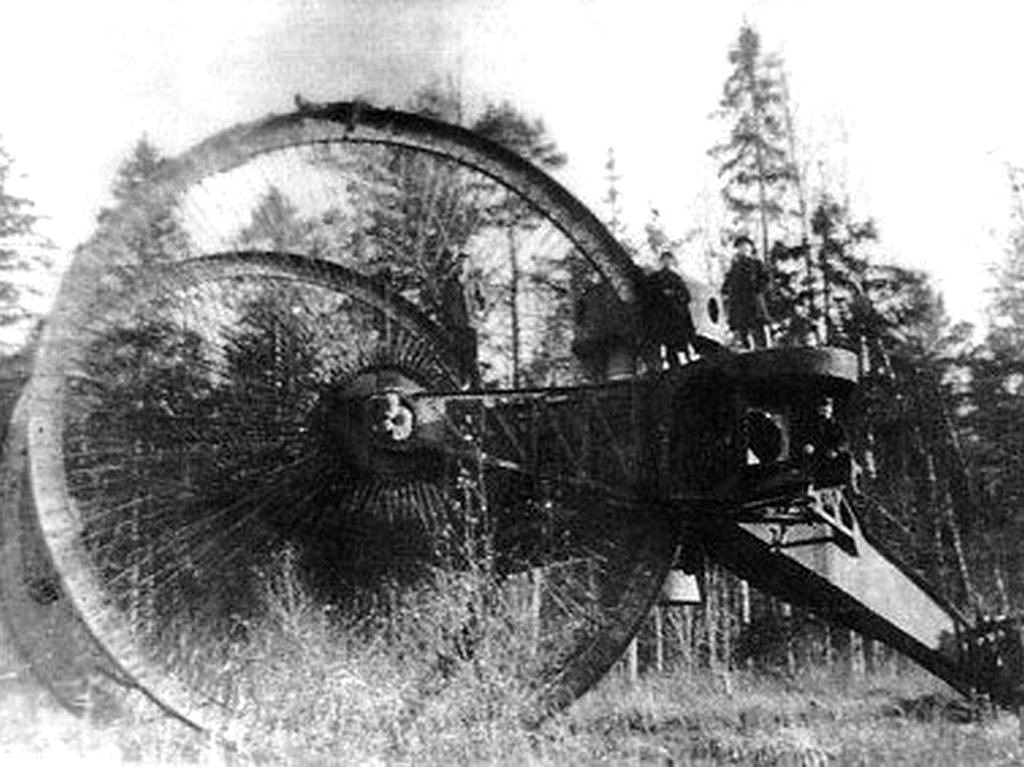
Most tanks crawl on tracks. Russia’s Tsar Tank was essentially a giant armored tricycle. Designed by engineer Nikolai Lebedenko, with help from aerodynamics pioneer Nikolay Zhukovsky and young engineers Boris Stechkin and Alexander Mikulin, it rode on two spoked front wheels nearly 9 meters (30 feet) across, with a small steerable wheel at the back. The theory was that enormous wheels could roll straight over trenches and obstacles.
Lebedenko reportedly won over Tsar Nicholas II in January 1915 with a clockwork wooden model, which the two are said to have run across a carpet and over stacks of books. Impressed, the tsar backed the project from his own funds. The full-size machine weighed an estimated 60 tonnes and was driven by two Maybach engines, reportedly salvaged from a downed German zeppelin.
At its trial in August 1915, the fatal flaw showed itself almost immediately. The little rear wheel, carrying too much of the weight, sank into soft ground, and the engines couldn’t haul the giant free. The project was canceled that September. The Tsar Tank sat rusting in a forest outside Moscow for years until it was finally broken up for scrap in 1923.
9The Great Panjandrum
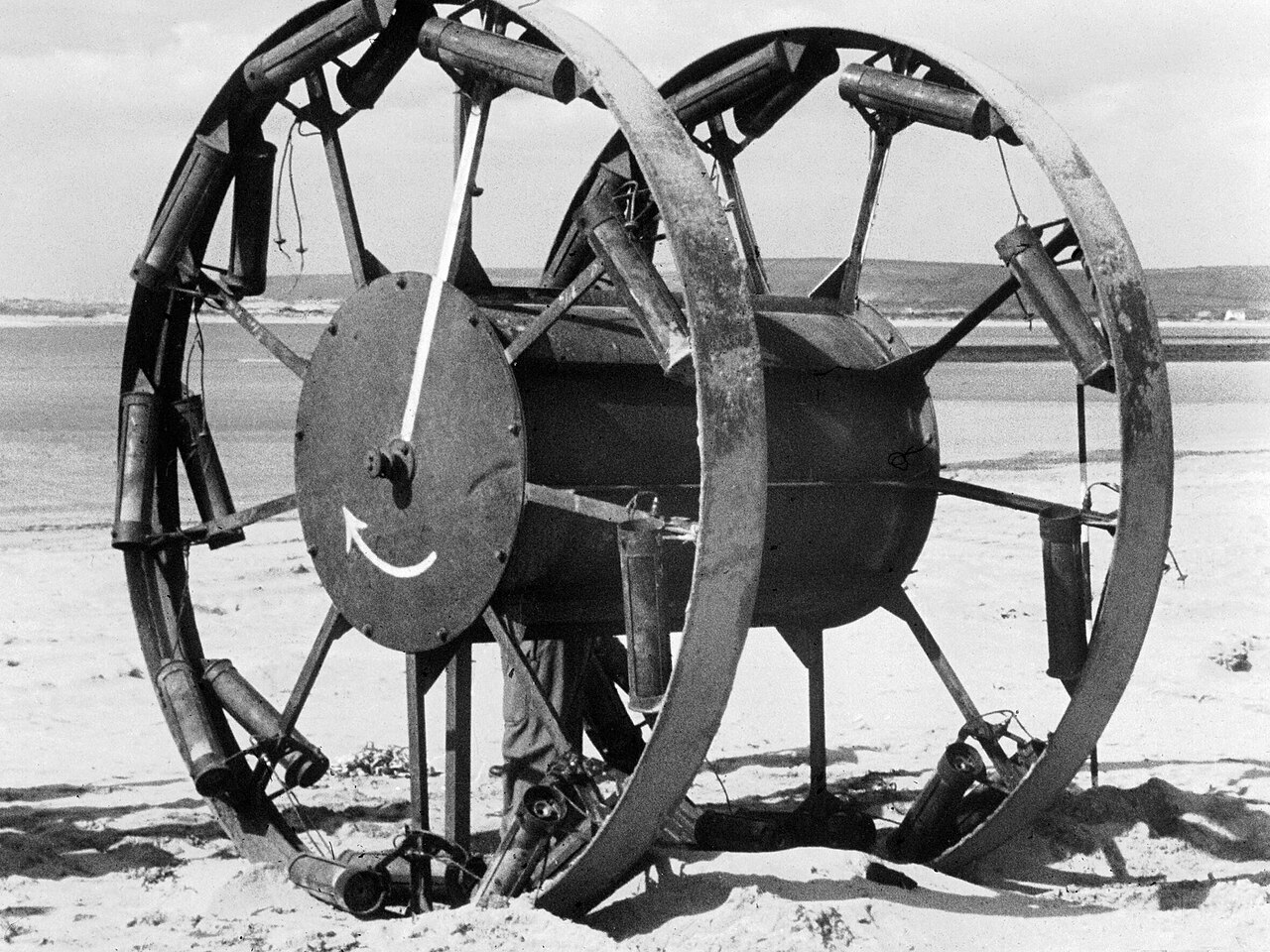
Hitler’s Atlantic Wall bristled with concrete defenses, and British planners needed a way to blast holes in them without sending men across open sand. The Admiralty’s Directorate of Miscellaneous Weapons Development came up with a solution straight out of a cartoon: two 10-foot wheels joined by a drum packed with roughly a ton of explosives, spun up to speed by cordite rockets strapped around the rims.
The plan was to launch the Great Panjandrum from a landing craft and let it roll up the beach into the wall. Sub-Lieutenant Nevil Shute, the novelist best known for On the Beach, calculated the explosives and picked the name, borrowed from an 18th-century nonsense passage by Samuel Foote. Testing began in September 1943 at Westward Ho! in Devon, a beach that was also popular with holidaymakers.
The trials were spectacular in all the wrong ways. Rockets tore loose, and the wheel veered unpredictably. At a demonstration in January 1944, it careened toward the very cameraman and officers watching, who dove for cover behind a pebble ridge, before it crashed onto the sand and broke apart with rockets skittering across the beach. The project was scrapped soon afterward.
8Project Pigeon
During World War II, the behavioral psychologist B.F. Skinner looked at pigeons and saw a guidance system. Before electronic homing was reliable, steering a bomb onto a moving ship was a genuinely hard problem. Skinner’s answer: put trained birds in the nose.
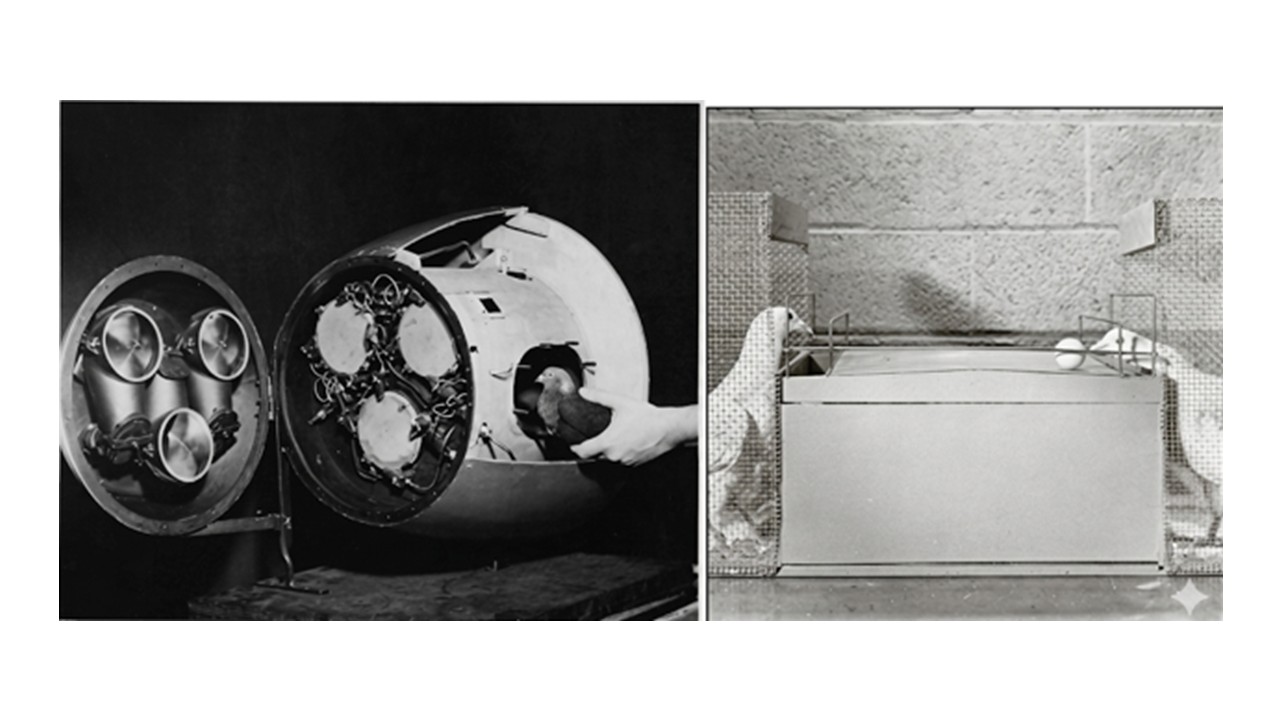
The design was surprisingly elegant. Lenses projected an image of the target onto a screen in front of up to three pigeons, each in its own compartment. The birds had been trained, using food rewards, to peck at the target’s image. If the target drifted off-center, their pecks shifted, the screen tilted, and sensors turned that movement into steering corrections for the bomb’s control surfaces. With three birds aboard, the system could follow the majority if one bird got it wrong. The National Defense Research Committee contributed $25,000, and Skinner later reported that the pigeons performed remarkably well.
Military leaders couldn’t quite take it seriously. The project was canceled in October 1944 in favor of efforts that seemed closer to combat use. The Navy revived it in 1948 as Project Orcon, short for organic control, before canceling it for good in 1953 as electronic guidance proved its worth. A nose cone from the project is held by the Smithsonian’s National Museum of American History.
7The Bat Bomb (Project X-Ray)
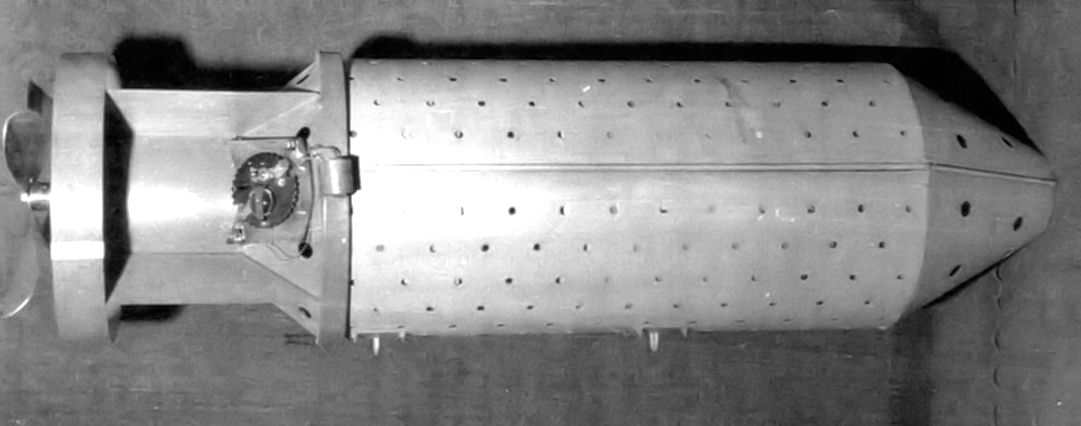
After Pearl Harbor, a Pennsylvania dentist named Lytle S. Adams had a brainstorm inspired by a recent trip to Carlsbad Caverns in New Mexico, where huge numbers of bats stream out at dusk. Japanese cities, he reasoned, were full of wooden and paper buildings. What if bats carrying tiny firebombs were released over them and crawled into attics and eaves to roost?
Adams sent his idea to the White House in January 1942, and remarkably it got a hearing. The effort, later known as Project X-Ray, settled on Mexican free-tailed bats, which could carry small timed incendiary devices. Engineers designed a bomb-shaped casing with stacked trays holding 1,040 hibernating bats, meant to open in midair and set them loose.
Testing went a little too well. On May 15, 1943, armed bats escaped at the Carlsbad Army Airfield Auxiliary Air Base, roosted under a fuel tank and set the test range on fire. The program passed to the Navy and then the Marine Corps, with further trials at a mock Japanese village in Utah. In 1944, Fleet Admiral Ernest King canceled it after learning it probably wouldn’t be combat-ready until mid-1945. The bill by then: about $2 million.
6Acoustic Kitty

Cats wander anywhere, and nobody looks twice at them. In the 1960s, someone at the CIA saw an opportunity. The project that became known as Acoustic Kitty aimed to turn a cat into a living, walking bug that could stroll up to a target, settle near a bench or a window, and quietly pick up conversations.
According to accounts that surfaced decades later, a cat was fitted with a microphone in its ear canal and a small radio transmitter at the base of its skull, with a thin antenna wire woven into its fur. The hardware was the easy part. The real problem was the cat. Felines, as any owner could have warned the agency, don’t take direction well, and this one reportedly wandered off whenever it got hungry or distracted.
The most famous version of the story, told by former CIA officer Victor Marchetti, claims the project cost about $20 million and ended when the cat was hit by a taxi on its first field test near the Soviet embassy in Washington. Robert Wallace, a former director of the CIA’s Office of Technical Service, later disputed that, saying the equipment was removed and the cat lived a long life. A partly redacted 1967 memo, declassified in 2001, concluded that training cats for this work wasn’t practical.
5Project Habakkuk
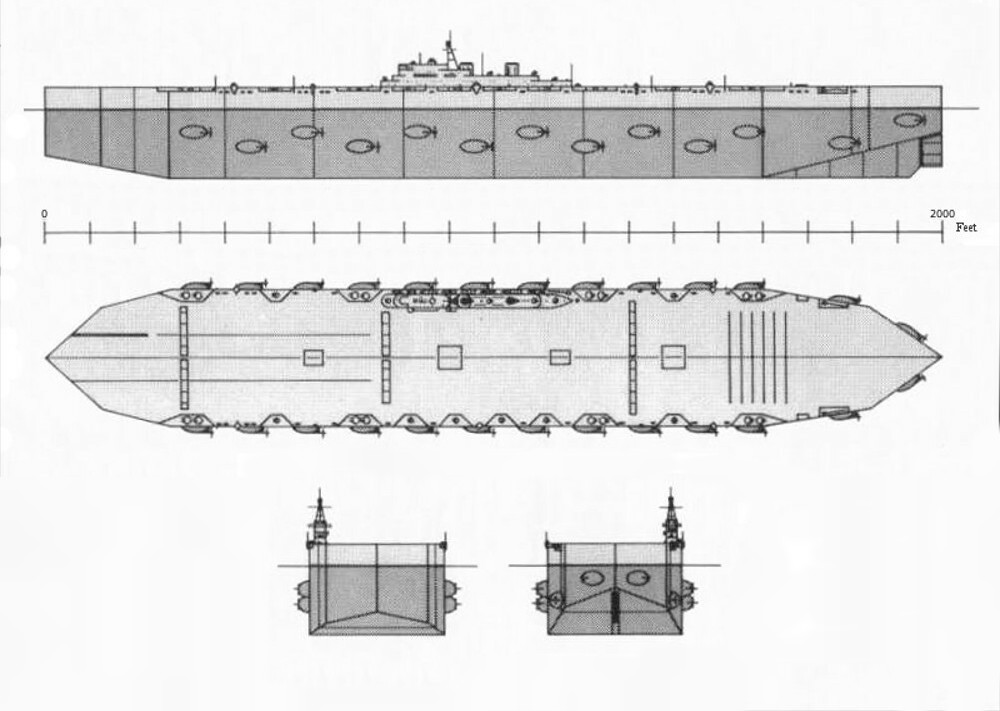
In 1942, German U-boats were savaging Allied convoys in a mid-Atlantic gap beyond the reach of land-based aircraft, and steel was in short supply. British inventor Geoffrey Pyke, an eccentric favorite of Lord Louis Mountbatten, proposed a radical fix: build an aircraft carrier out of ice. Ice is nearly free, he argued, and the North Atlantic makes an excellent refrigerator.
Plain ice is brittle, so researchers, including future Nobel laureate Max Perutz, tested a frozen mix of about 14 percent wood pulp and 86 percent water. The result, dubbed pykrete, was far tougher and melted more slowly. The plans ballooned into Habakkuk II, a vessel about 2,000 feet long with hull walls roughly 40 feet thick, displacing around 2.2 million tons. A scale model, 60 by 30 feet and weighing about 1,000 tons, was built on Patricia Lake in Canada’s Jasper National Park and kept frozen by a one-horsepower motor.
By December 1943 the project was dead. Costs had soared, the refrigeration plant would have needed enormous amounts of steel, and longer-range aircraft and new airfields in the Azores had closed the Atlantic gap anyway. The model on Patricia Lake took three summers to melt, and its sunken remains still lie on the lakebed.
4The Ghost Army
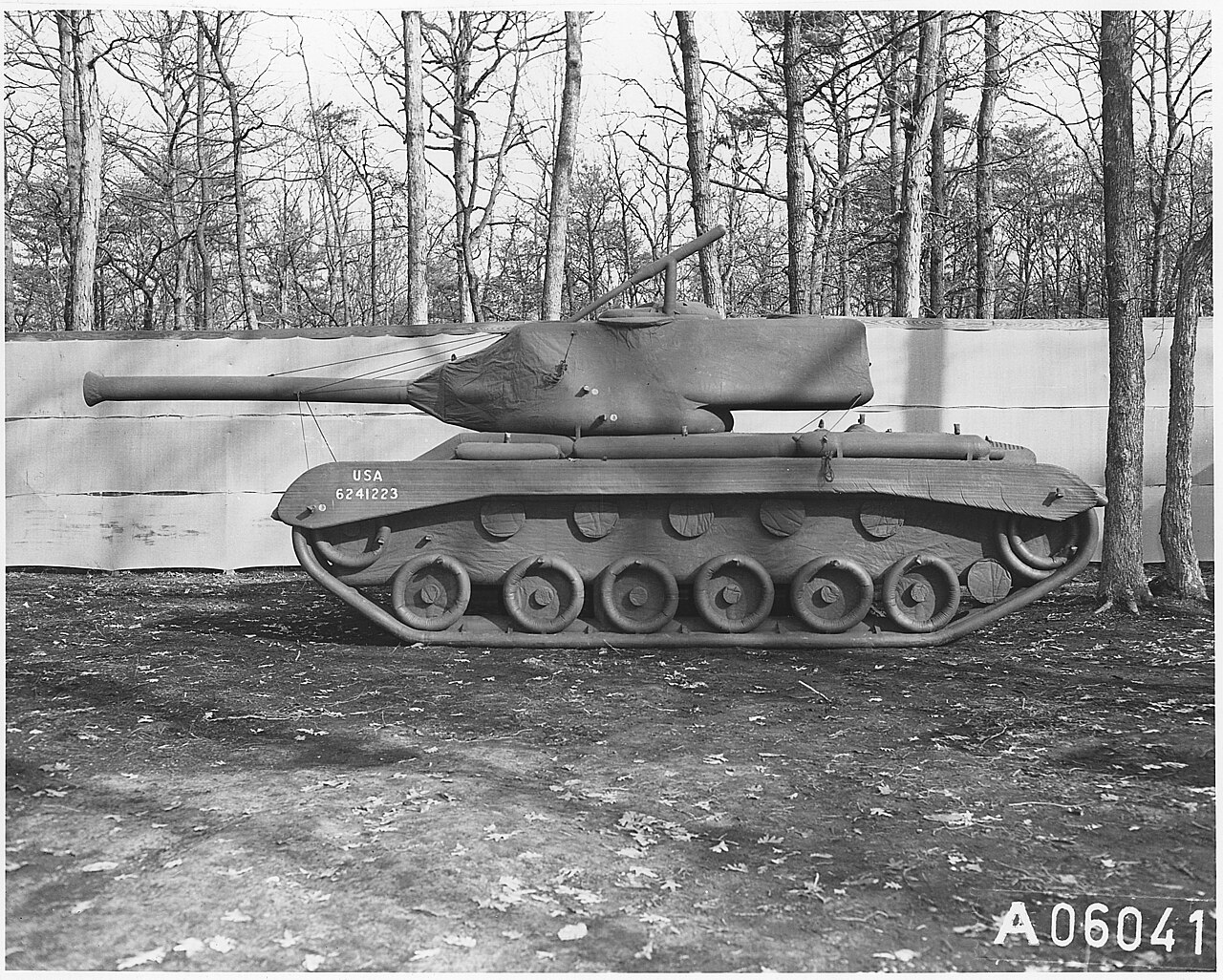
One of the most effective American units in World War II’s European theater was never meant to win a firefight. The 23rd Headquarters Special Troops, nicknamed the Ghost Army, was a top-secret outfit of about 1,100 men whose job was to impersonate other, much larger units and fool the Germans about where American forces really were.
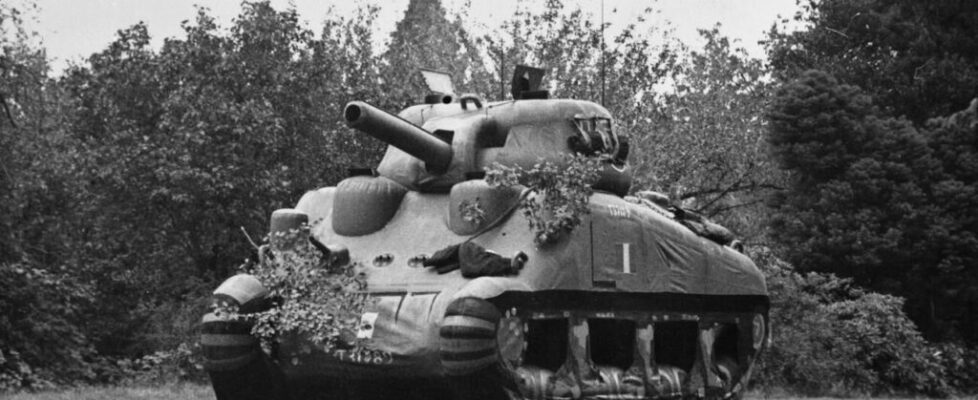
Their toolkit was pure theater. Inflatable rubber tanks, trucks and artillery could be pumped up in minutes; a fully inflated decoy tank weighed about 93 pounds. Sound trucks blasted recordings of armor and construction across the countryside at night. Radio operators mimicked the traffic of real divisions, and soldiers sewed on fake unit patches and gossiped in town cafés to spread disinformation. One oft-told story has two French cyclists gaping as four GIs casually lifted a Sherman tank.
From Normandy to the Rhine, the unit staged more than 20 deceptions, culminating in a 1945 ruse that helped draw German attention away from a real Rhine crossing. Its ranks were stocked with artists and designers, including future fashion designer Bill Blass, painter Ellsworth Kelly and photographer Art Kane. The whole operation stayed classified until 1996, and in 2022 Congress voted to award the unit the Congressional Gold Medal.
3The Stargate Project
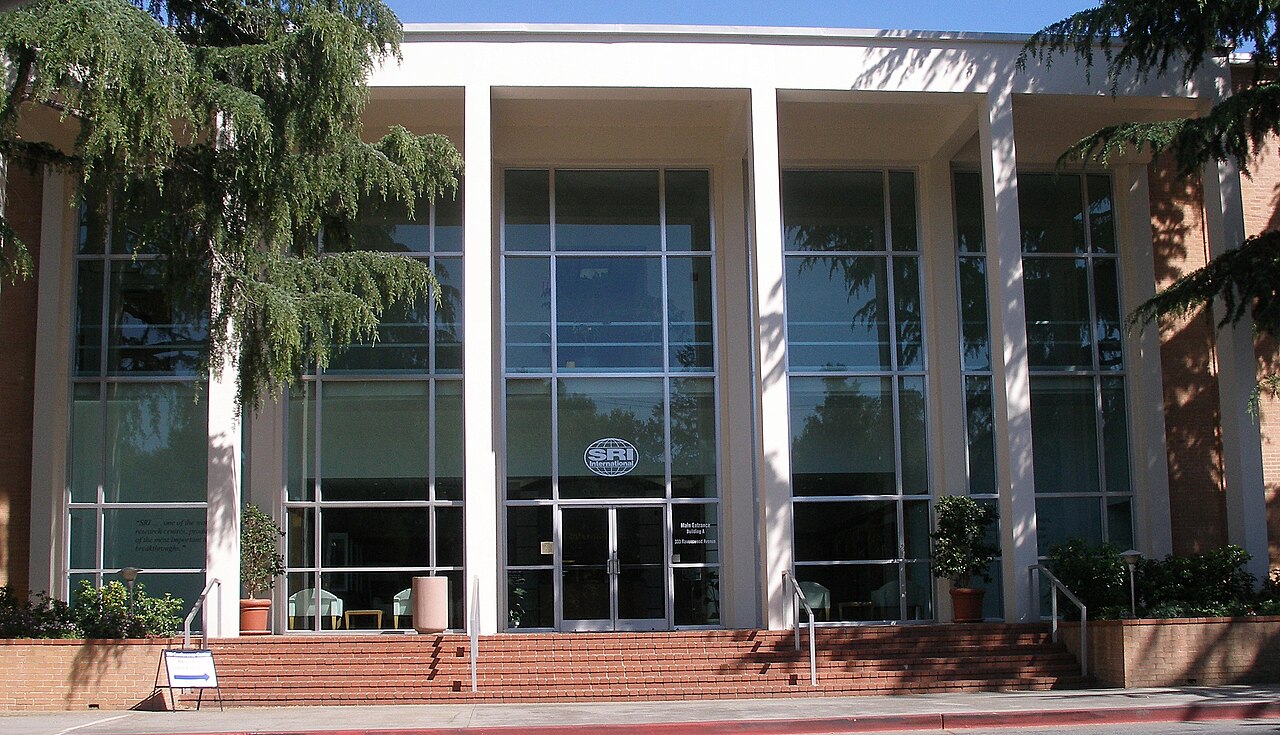
For more than two decades, the U.S. government paid people to spy with their minds. The technique was called remote viewing: a trained psychic, given only a coded target such as a set of map coordinates, would try to sketch and describe a distant location, a hidden object or a foreign facility.
It began in 1972 with research at the Stanford Research Institute (now SRI International) in California, led by physicists Russell Targ and Harold Puthoff and funded by the CIA. Artist and self-described psychic Ingo Swann helped develop the methods. In 1977 the Army set up its own unit, which worked out of buildings at Fort Meade, Maryland, under a string of code names including Gondola Wish, Grill Flame, Center Lane and Sun Streak, before the program settled on Stargate in 1991. Viewers were reportedly tasked with problems ranging from hostage situations to Soviet installations.
In 1995 the CIA commissioned an outside review by the American Institutes for Research. It concluded that remote viewing had never produced intelligence anyone could act on, and the program, which had cost about $20 million over its life, was shut down and declassified. Its story later inspired Jon Ronson’s book The Men Who Stare at Goats and the 2009 film starring George Clooney.
2Project Iceworm (Camp Century)
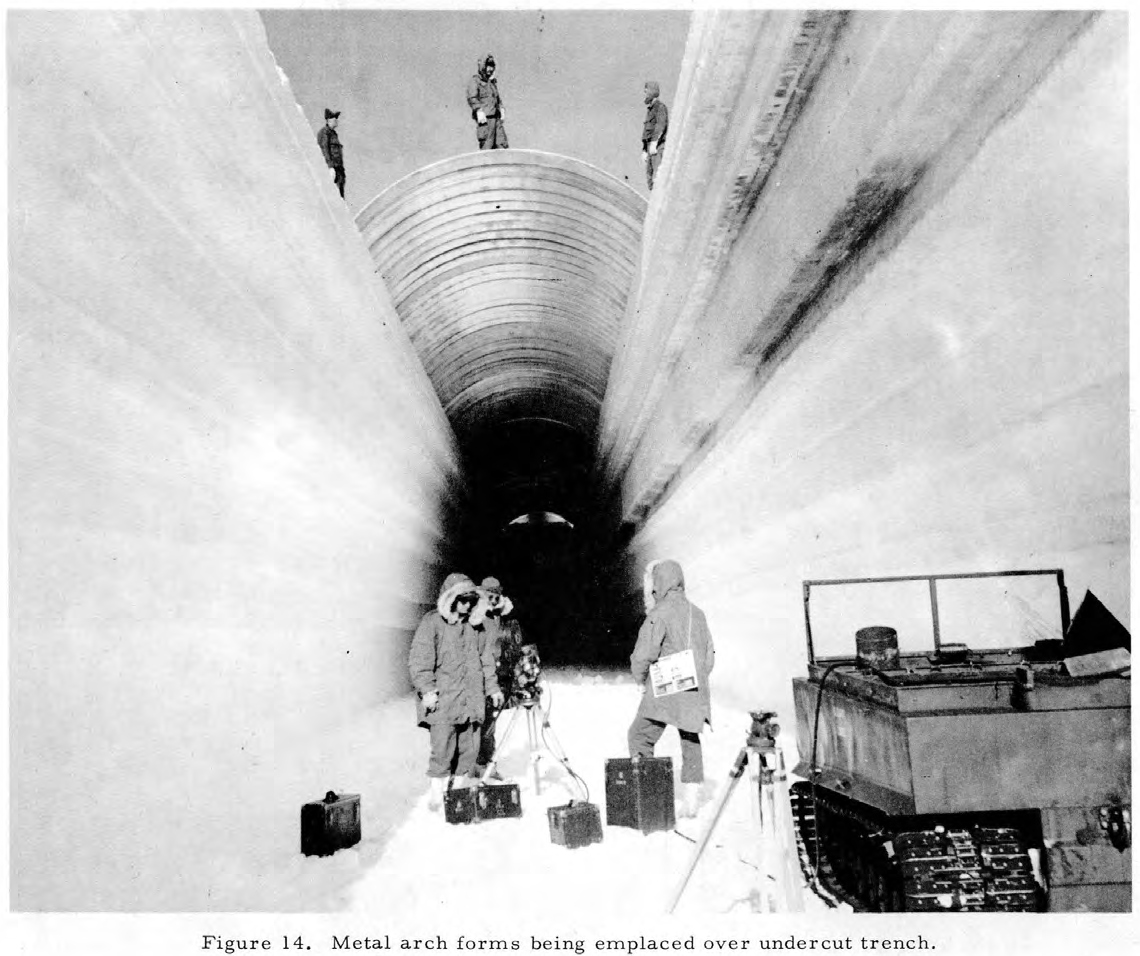
In 1959, the U.S. Army began building a town inside the Greenland ice sheet. Camp Century, about 150 miles from Thule Air Base, was a network of 21 trenches roofed over with snow, holding barracks, a hospital, a theater and a church for about 200 people. From 1960 it ran on a portable nuclear reactor, the PM-2A. Publicly, it was a showcase of polar science and engineering.
Secretly, it was a test bed for Project Iceworm, a plan to hide up to 600 nuclear missiles under the ice, within striking range of the Soviet Union. The Army envisioned about 4,000 kilometers (2,500 miles) of tunnels spread across roughly 52,000 square miles, with missiles shuffled between launch sites so no one could be sure where they were. Denmark, which governed Greenland, approved Camp Century but was never told about the missile scheme.
The ice itself killed the plan. Glaciers flow and deform, and the trenches squeezed shut far faster than expected; by 1962 the reactor room’s ceiling had sagged so much it had to be raised five feet. The reactor was removed and the camp abandoned. Its legacy is mixed. Scientists there drilled some of the first deep ice cores, still valued in climate research, but a 2016 study warned that melting could someday expose the fuel, PCBs and radioactive waste left behind.
1Project A119: The Plan to Nuke the Moon
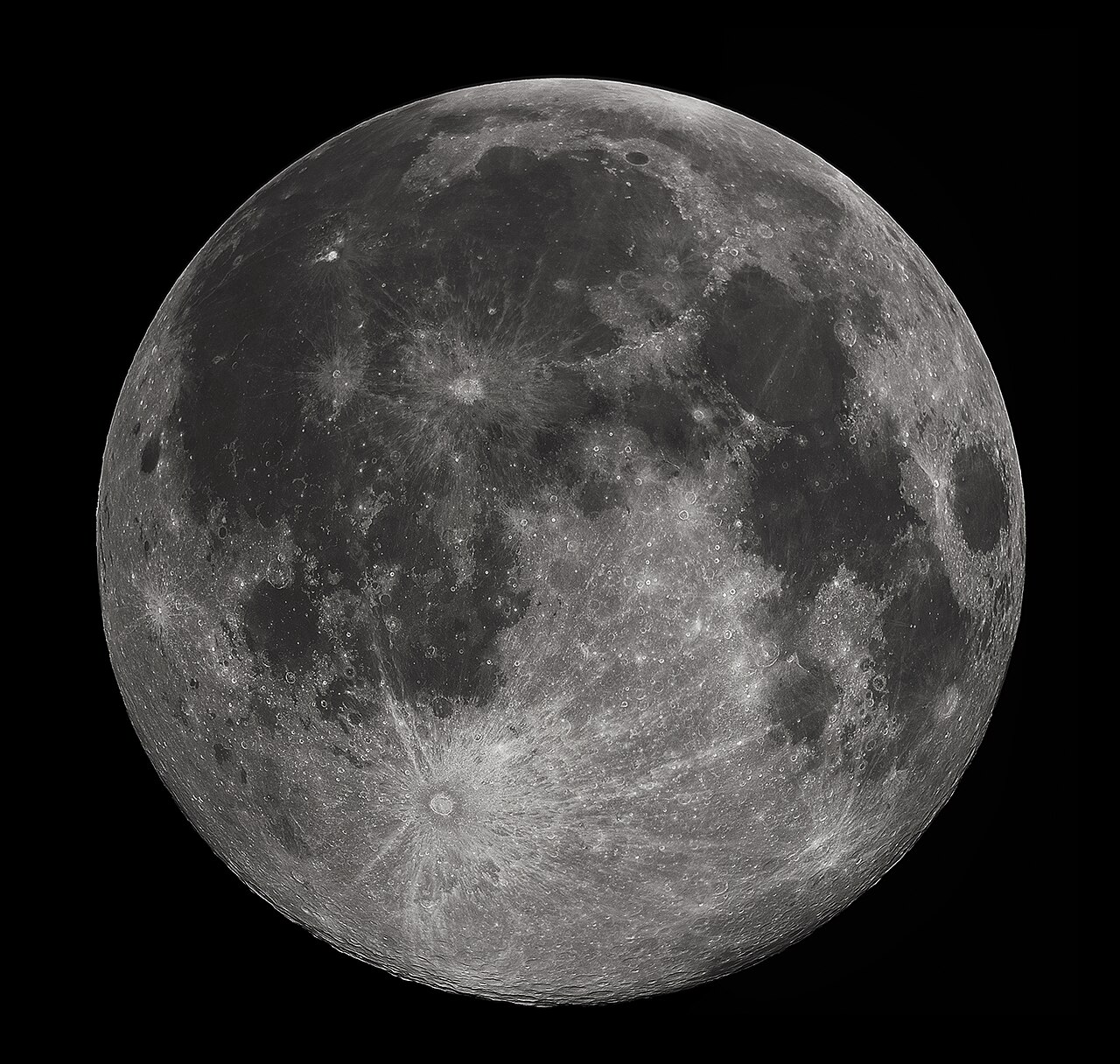
In October 1957, the Soviet Union launched Sputnik, and Americans suddenly felt outpaced. The following year, the U.S. Air Force quietly commissioned a study, innocuously titled A Study of Lunar Research Flights, from the Armour Research Foundation at the Illinois Institute of Technology. Its real subject was whether the United States could detonate a nuclear weapon on the Moon, and what would happen if it did.
Physicist Leonard Reiffel led a small team that examined how visible the explosion would be from Earth and what it might reveal about the lunar surface. One researcher was a young graduate student named Carl Sagan, who modeled how a cloud of dust would expand from the blast, the key to whether anyone on Earth could see it. Planners settled on a small W25 warhead with a yield of about 1.7 kilotons, to be carried by missile and detonated on impact.
The science was real, but the main point was a show of strength. In the end, officials judged that the risks outweighed the benefits, from a failed launch endangering people on Earth to fallout spoiling the Moon for future research. The project was dropped in January 1959. The public only learned of it around 1999 and 2000, through a Sagan biography and then Reiffel’s own account. The Soviets, it turned out, had weighed a similar idea.
When Brilliant Meets Bonkers
It’s easy to laugh at exploding cartwheels and spy cats, but most of these projects were run by smart, serious people under enormous pressure, and a few delivered. The Ghost Army is credited with saving many lives, and Camp Century’s ice cores still help scientists read Earth’s climate history. The rest are reminders that in wartime, no idea is too strange to get a budget.
For more true stories that sound invented, browse our list of weird history facts that sound fake. And if Project A119 has you staring at the night sky, recalibrate with these space facts that will break your brain.
Quick answers
Did the US really plan to nuke the Moon?
Yes, on paper. In 1958 the U.S. Air Force commissioned Project A119, a study of detonating a small nuclear device on the Moon as a show of strength and a scientific experiment. The research, carried out at the Armour Research Foundation in Chicago with help from a young Carl Sagan, was shelved in January 1959. No launch was ever attempted.
What was the Ghost Army in World War II?
The Ghost Army was the U.S. Army’s 23rd Headquarters Special Troops, a secret unit of about 1,100 men that used inflatable tanks, recorded sound effects, fake radio traffic and staged playacting to impersonate larger forces. It carried out more than 20 deception operations in Europe in 1944 and 1945 and remained classified until 1996.
Did the bat bomb ever work?
Partly. Tests showed that bats carrying tiny incendiaries could start fires, sometimes too well: in May 1943, escaped bats set fire to a test base near Carlsbad, New Mexico. But the program was slow to mature, and in 1944 the U.S. Navy canceled it after about $2 million had been spent, as the atomic bomb project overtook it.
Sources, further reading & photo credits
- Ghost Army — Wikipedia
- Tsar Tank — Wikipedia
- Panjandrum — Wikipedia
- Project Pigeon — Wikipedia
- Bat bomb — Wikipedia
- Cat — Wikipedia
- Project Habakkuk — Wikipedia
- Dummy tank — Wikipedia
- SRI International — Wikipedia
- Camp Century — Wikipedia
- Moon — Wikipedia
Cover image: War Office official photographer · Public domain · via Wikimedia Commons. Photos throughout this list are sourced from Wikimedia Commons under the licenses noted in each caption.